Many people write and ask me, "What is wrong with Homeopathy? Can a
Christian use it? Is it connected with new age and esotheric?" etc. I must
say that I have not made a deep study on this subject. But I have seen
the bad effects of it on Christians and their spiritual lives. Many who
have problems in their prayer life, like--lack of concentration, distractions,
feelings of tiredness, yawning during prayer, pains on all over the body
during prayers especially when they call upon the Name of Jesus, bad imaginations
especially immoral ones during Christian meditation etc- have admitted
that they were having homeopathy treatments, and when I have asked them
to stop homeopathy, they were able pray well. Recently a man came and told
me that he is not able to pray in tongues although he was in the Charismatic
renewal and prayergroups for a long time. He was taking homeomedicines
for insomnia. When I asked him to stop the medicines and to take normal
scholastic(allopothy) medicines, he was able to sleep and was able to pray
in tongues. One religious sister in Slovenia told me that she was asked
by the Doctor who gave her Homeo medicines for the cure of her cancer to
stop having Holy Communion for the better effect of the medicines. Many
people in Germany, Austria and France told me that the Homeopathy doctors,
while giving medicines, advise them not make the sign of the Cross or call
the Name of Jesus before taking Homeo medicines, as normal Christians do
everything with a sign of the Crass or a small prayer. Why this exception
to homeopathy? Perhaps the Sign of the Cross or the Name of Jesus may bombard
the power or energy in the Homeomedicines! I have a testimony to share
with you.
Thirteen years before a catholic Homeopathy doctor asked me to bless
his Homeo Clinic. Gladly I went to his clinic and blessed the clinic with
the normal prayers from the Roman ritual and springled the Holy Water all
over as he requested. After a few days he came and told me, Father James,
after your blessing and springling of the Holy water over my clinic and
medicines, I had to throw away all the medicines as they lost the "potency".
Thank God he did not threaten to sue me! Then I asked the doctor himself
the reason of medicine's loosing the "potency"(power) while I prayed with
the power of the Holy Spirit. He had to admit that the power in the medicines
was something contrary to the power of the Holy Spirit. Then he asked me
to look into bottles of medicines of Allopathy where the contents of the
medicines are clearly declared, like Carbo hydrate 15%, Magnesium 20%,
Alcohol 5% Water 10% etc, whereas no such declaration of contents on bottles
or packets of Homeomedicines is found,instead the medicines declare their
effectiveness by "potencies" like 1000 Potency, 10 000 Potency,a million
potency etc. The doctor himself admitted his ignorance of the origin of
this power or potency. He said that the main effect of Homeomedicines is
placebo effect. It is clear that the potency is a hidden power(occult power).
I do not make any judgement about Homeopathy as I am not an expert about
it, but one thing I will say to my Chiristian brethren that it is not good
for a Christian to use them or to practice them, whatever "good" effect
it may bring upon the sick people. Many esotheric and new age treatments
(alternative therapies) advertise saying "they are cheap and they have
no side effects" but they don't say the main side effect on Christians
that "they take people away from Christ and the Church, and the Salvation
which Christ has brought to this world". The Vatican document "Jesus Christ
the Bearer of the Living Water" clearly speaks of the hidden danger of
Homeopathy and other alternative medicines based on occult powers.
Here I publish a few articles and excerpts of some eminent doctors and
experts on this matter and I leave the discernment and judgement to the
readers.
I’m
a pediatrician. I’ve got four children aged 14, 12, 9, and 6 years. From
1995 till 2000. I completed the homoeopathy training. I have the certificate
from the Austrian School of Homoeopathy. Then I attended the lectures of
so-called Indian revolutionary homoeopathy and I also completed the course
BIHOST (method of biochemical-homoeopathic regulation of metabolism).
I’m a pediatrician. I’ve got four children aged 14, 12, 9, and 6
years. From 1995 till 2000 I completed the homoeopathy training. I have
the certificate from the Austrian School of Homoeopathy. Then I attended
the lectures of so-called Indian revolutionary homoeopathy and I also completed
the course BIHOST (method of biochemical-homoeopathic regulation of metabolism).
Since I was mainly on maternity leave at this stage, I especially used
to cure my kids and my friends’ kids with homoeopathic drugs. I was very
enthusiast about this treatment. I thought I was giving them innocent pills
made from medical herbs.
My children were treated for an infection of the upper respiratory tract.
I healed my daughter who had bronchitis, after antibiotics showed no effect.
I had a wart and it disappeared on the following day after I had used my
homoeopathic drugs. Sometimes the homoeopathic drugs which I’d administered
to my friends didn’t have effect, but I used to interpret it through
my ignorance. Nevertheless, later on, my children started to have various
health problems, which I couldn’t explain at all. Problems weren’t
of physical but rather of psychological nature.
What was next? Our priest let me know that this method of treatment
is supported by the New Age. But, as I defended homoeopathy stubbornly,
he ended up telling me to keep on searching. And so, I went to further
trainings. I even bought the instruments that they recommended to us. I
planned to devote my time to the homoeopathy after my maternity leave.
However, there was a great unrest within me. I didn’t know what the real
source of such drugs was. I read all available literature about homoeopathy
and I asked different people about their opinion on it. Well, nobody gave
me any satisfying answer.
I even read the viewpoint of the Conference of Slovak Bishops on the
subject of homoeopathy (published in the Catholic Newspaper in 1996); I
perceived it as a Church agreement to my therapy methods. Nonetheless,
my conscience told me: “don´t heal!” That´s why I refused to treat
strangers. I only treated my friends and I administered homoeopathic drugs
exclusively to my children. They were a sort of guinea pigs for me. On
the one hand, unrest prevailed in my heart, and on the other hand homoeopathic
drugs attracted me and impressed me. I wasn’t able to understand it and
I always wanted to know the truth and look for it. Then, something happened
and I changed my mind radically. There were two reasons for it:
A friend of mine told me about an alcohol-addicted man who had been
found lying on the ground during one winter evening. They brought him home
and then they said the prayer for the liberation from the demon of alcoholism.
One month later, they found out that he stopped drinking and started preparation
for the sacraments. She explained this prayer to me. I heard it for the
first time.
I received the book of MUDr. Judith Erdélyová: The alternative medicine
in the light of the Bible (MSEJK, Bratislava, 2000). Dostala sa mi do
rúk kniha MUDr. Judithy Erdélyiovej: Alternatívna medicína vo svetle
Biblie (MSEJK, Bratislava 2000). The writer often put together alternative
medicine – where she also included homoeopathy – with occultism. I
was seized with horror because I thought I also might have something in
common with it. At home, I knelt down before the cross and prayed: “Jesus,
take away this spirit of occultism and magic.” Moreover, I asked for
the gifts of the Holy Spirit. This prayer came from my torn heart. Only
long time later I understood how much it had changed the orientation of
my life. The thoughts which crossed my mind after this prayer were really
wonderful. Suddenly it started to sink in. Devices!
At the last training I bought two instruments and I was convinced that
I would devote my time to homoeopathy and I would use them. We can test
the patient and find the right homoeopathic drug through the measuring
instrument based on the EAV method. It’s going to save a lot of time.
Indeed, homoeopaths spend long time looking for the homoeopathic drug in
the Repetitorium and Materia Medici. Thanks to such instrument, the homoeopathic
drug can be made from clean water... It’s sufficient for the homoeopath
to own diagnostic homoeopathic drugs. Then the instrument will provide
the patient with produced homoeopathic drops, i.e. clear water where the
information contained in the homeopathic drug is transferred. The instrument
also measures energy in separate acupuncture points.
This instrument was sold at the training by sales representatives from
abroad. I had to make a quick decision. My colleagues recommended me to
buy an instrument like this. When I bought it, I didn’t think about the
way it would work. After I prayed the prayer of self-exorcism, I realized:
the instrument makes homoeopathic drugs from clean water. It is magic!
I went to check the units this instrument uses in order to measure energy
in the acupuncture points. There were no units on the dial. Then I realized
that this instrument gave only two simple answers (just like the pendulum):
it says yes – when there was a light between the points 80 and 90, or
no – when the instrument glowed between the points 50 and 60. I was stunned
because I realized it was an occult thing. The practitioners of alternative
medicine would have laid themselves open to ridicule by using a pendulum;
but nowadays it’s easy to assemble the device with a modern design –
and this is an efficient solution. My instrument was under warranty. I
wanted to immediately return it and get my money back – it cost fifty
thousand Slovak crowns (1660 EUR). I called back the sales representatives
telling them it was broken down. They told me there was nothing that could
break down… Prístroj som mala v záruke. Chcela som ho okamžite
vrátit' a dostat' naspät' peniaze – stál 50-tisíc Sk. Volala som
obchodným zástupcom, že sa pokazil. Vysmiali ma, že co sa už môže
na nom pokazit'… (in Slovak)
The other instrument – the pocket diary Psion – looks like a bigger
cell phone. The name of the homoeopathic drug and patient can be written
down on its display. By pushing Mode, the homeopath sends information (i.e.
homoeopathic drug) directly into the patient’s organism. This information
can also be sent from distance, if the homoeopath knows the patient’s
date of birth. Unbelievable! This was what I believed in!
I used this instrument a few times. It worked. I didn’t need any homoeopathic
drug. It was sufficient to have this device with me. During our last trainings,
the lecturer emphasized the fact that in homoeopathy chemical substances
don’t have any effect, but the most important thing is the transfer of
information. I felt empty-headed at that time – I had attended the trainings
for five years and I hadn’t heard that until then…
I asked my brother who was an electrical engineer what kind of information
this instrument sent and why it worked. My brother told me that only a
naive person can believe in these things. After he took a look at the instrument,
he said: “This is just a normal diary made in 1989”. I missed the point.
After praying I understood: there’s nothing in the device and it works.
It must be magic! It must be an occult thing! Later, I got angry because
of the amount of money I’d wasted on both devices and called abroad.
I wanted to return this instrument and get my money back. I spoke with
a homoeopath (a lady). She asked me why I wanted to send it back; so I
told her I’d found out that it worked through white magic and I didn’t
want to keep using it. Her reply was surprisingly sad: “And what do you
think it is about?” I was flabbergasted. The homoeopath knew that it
was about magic but at the training nobody had mentioned it!
Nevertheless, I still didn’t conceive the essence of homoeopathy –
why can homoeopathy be used even through occult instruments? I wasn’t
still sure about these aspects; so I started to study. The first book I
came across was bought by my husband; it was a pastoral letter of the Conference
of Tuscany bishops: Magic, soothsaying and influence of the Devil (Jas
2001): "Conferenza
Regionale dei Vescovi della Toscana, A proposito di magia e di demonologia,
Nota pastorale, 1994". The introduction explained something very interesting:
there is a sort of imitating magic through which similar things engender
similar things back. At this moment I remembered the first principle of
homoeopathy – similar thing is cured by a similar thing (like cures like)
– and I understood that the principles of the homoeopathy are based on
magic. My decision on homoeopathy was clear – no homoeopathy at all.
Not even the French school. This is about magic - white magic! It’s not
about herbs and minerals. Gradually I started noticing things I hadn’t
understood at the trainings about homoeopathy and I began to grasp the
point…
Turning away from the spirit of homoeopathy
As I’d mentioned before, my children started having troubles. My oldest
daughter (she was nine at time when she used homoeopathic drugs) had nightmares
that woke her up and scared her. I was thinking about various reasons,
but I didn’t even think that the cause could reside in the homoeopathic
drugs. The worst moment was when she saw the Devil in a dream. The Devil
wanted her to tell him yes; and then she saw another demon who wanted to
cut her hands and legs. My daughter and I said the prayer for the liberation
from the spirit of homoeopathy. Her dreams didn’t recur but her fear
when falling asleep lasted for long time.
My second daughter couldn’t breathe at night and it went from bad
to worse. She didn’t have any cold, no mucus from her nose, no allergies.
Her conditions were terrible – she couldn’t breathe. She continually
tried to blow her nose. She got mad. She kicked her legs on the bed and
woke up other siblings. Once I said to myself: try to pray! When she was
in this condition, I put my hand on her and I prayed the prayer of the
liberation from the spirit of homoeopathy. To my great surprise, she fell
asleep. During the following nights as well, she slept without problems.
My son (three years old at that time) showed terrible and incomprehensible
states of aggressiveness when I refused to give him some sweets before
breakfast or lunch. He threw down things from the shelves and then started
throwing away all the stuff from the wardrobe. All educational methods
were vain. Once I said to myself: try to pray. After the prayer, he calmed
down and ate a little. Still today he likes sweets. But now he’s able
to renounce to a candy, if it is necessary. He sometimes gets angry but
he obeys.
I didn’t pray the prayer of liberation over my youngest daughter.
She was six months old when I stopped using homoeopathic drugs. I gave
her quite diluted homoeopathic drugs and I didn’t even use the main homoeopathic
drugs on her.
There was another question: what next? The spiritual exercises for the
internal healing helped me a lot. I understood the state I’d been in.
I intensively read the Scriptures. I burned all my homoeopathic books –
strengthened by this biblical passage: “Many of them also which used
curious arts brought their books together, and burned them before all men”
(Acts 19, 19). However, I didn’t know what to do with the instruments.
It took me about seven months to understand that I had to destroy them
as well. My husband and I dismantled them and burned them. And my heart
was filled with peace...
The life of the founder of homoeopathy
It’s essential to know the personality and the basic work of Doctor
Samuel Hahnemann, the discoverer of the principles of this method. Since
the death of this controversial doctor, nobody brought considerable changes
to treatment methods.
Christian F. Samuel Hahnemann was born as a son of a porcelain painter
in Meissen in 1755. He was a very talented pupil and he was soon given
the possibility of studying at the Sankt Afra princely school. Apart from
the French language he also studied English, Greek and Latin to such an
extent that later on he was able to earn his living with translation (since
he was a poorer student). When he was twenty, he started studying medicine
at the university in Leipzig. Then he continued studying at the place of
the famous physician von Quarin in Vienna for two years. Here he got acquainted
with the baron Samuel Von Brukenthal who engaged him as a house doctor
and librarian. The freemason Von Brukenthal led him into a Masonic lodge
where he got initiated at the age of twenty-two. He learned something of
deism (a teaching saying that God exists, that He is the original cause
of the world, but He doesn’t intervene in further development of the
world – the world develops according to its own laws – note of the
editor). He finished his studies by writing a thesis where he mentioned
for the first time the founder of so-called animal magnetism, Anton Mesmer,
at that time a well-known person.
After finishing his studies, Hahnemann, as a doctor, settled in Hettstedt,
later Dessau, where he got married with Henriette Kuchler, the local pharmacist’s
daughter. Because of his failures in the medicine profession, he turned
more and more away from medicine. Nevertheless, his translation activity
was fervent. When translating papers from Materia Medici by the English
scientist Cullen, Hahnemann criticized Cullen’s comprehension of the
medicinal effects of the quinine peel.
He came across homoeopathy through his own experiments. From that time
on, he worked tirelessly on research tasks, in order to define the results
of the new curative principle. In 1796 he published the famous paper The
new principle for discovering the medicinal power of the substance of medicines
and for the first time he mentioned here the homoeopathic tenet similia
similibus curentur (Like cures like).
Immediately after this, there was a dispute between the scholars of
the scholastic medicine who refused this method of treatment very categorically.
Despite strong aversion, Hahnemann achieved a higher doctorate at the university
in Leipzig where he had been teaching the subject of homoeopathy since
1811. At the same time he was a general practitioner and he managed to
heal some people in an extraordinary way according to the testimony of
his followers. In his work Organon of therapeutics, which was published
in 1810, he described the origin and the way of effect of his treatment
principle. This treatise is still today considered as the basic work of
the homoeopathy.
In Leipzig Hahnemann got involved in an argument with pharmacists because
of independent administration of homoeopathic drugs to his patients. He
was banned from producing his medicines by himself. Therefore, he went
to Kothen where he could carry out his alternative medicine activities
under the protection of the duke. Here he spent a peaceful period of his
life that he dedicated to the development of the homoeopathy. The articles
in the German empire bulletin went a long way towards spreading the homoeopathy.
The editor of this bulletin was Rat Becker, also a freemason.
Despite his advanced age, Hahnemann honed his art of healing. He extended
also the second tenet of homeopathy beyond the limit of measurability –
i.e. the principle of dynamization or potentization. At that time he recommended
people not to take medicines but “only taking a sniff at them.” As
an eighty-year old widower, he married a young thirty-five French painter,
Melanie d’Herville and moved to Paris. Here they set up an homoeopathy
outpatient department. He died on July 2, 1843.
Organon of the healing art
In 1810 Hahnemann published the Organon of the rational therapeutics
in Leipzig. Later, it was translated with the title Organon of the healing
art. In this volume he laid the foundations of philosophy and methodology
of the homoeopathic treatment. In the preface of the sixth reprint he criticized
allopathic medicine of those times and he put forward a new art of treatment
– the homoeopathy – i.e. the method he discovered. He defined it as
a method of treatment that is completely different from allopathic methods.
He claimed that sicknesses are caused just by the disruption of the spiritual
strength reviving the human body. By using the right homoeopathy you can
bring about the spiritual – dynamical change and retune the patient’s
state. He administered small doses of these medicines to the patients.
He claimed that the old school, the classical medicine, is the opposite
of the homoeopathy, as well as night is the opposite of day.
Hahnemann criticized classical allopathic medicine because it tries
to look for the causes of the illness and then to remove this cause. However,
he claimed that the majority of sicknesses have spiritual origin; therefore,
their cause cannot be known by the human senses. He insisted that the causes
of the sicknesses aren’t of material nature. He even considered that
observations made by the anatomists, pathological anatomists, and physiologists
were all working through mere imagination. He repeatedly insisted that
the causes of the sicknesses aren’t of material nature. He didn’t believe
in the material transfer of an infection, for instance, into the wound
or to the skin. He thought that material views on the origin and the essence
of the illness aren’t correct. He believed that the illnesses of the
human organism are caused and kept only by the spiritual dynamical strength.
Hahnemann refers to the wise and good Creator who let him find the art
of treatment – homoeopathy. He may appear to be a Christian believer.
But what theological sources are behind all this?
If Hahnemann professed Christianity, then we might look for a justification
of his spiritual theories in the Word of God, in the Scriptures. However,
the opposite is true. Hahnemann refused the basics of the Gospel including
Jesus Christ. In his list to his disciple Stapf (Brief an Stapf, Kothen
1830) he wrote:
“I consider the fact that today we read Confucius as an important
sign of our times. Soon, I will embrace him in the kingdom of the happy
souls. I will hug the benefactor of mankind who’s been leading us on
the right track towards wisdom and God, six and a half centuries before
that Daydreamer”.
According to Hahnemann’s sick statements, the daydreamer was Jesus
from Nazareth who reportedly did not lead Hahnemann to the straight path
to wisdom, but he wanted to fight together with mythmakers and sinners
over the arduous path to God’s kingdom on the earth. This man of sorrow,
who speaks to the thief on the cross, is unacceptable for Hahnemann (!).
A tragic and inalienable fact is well evident: Hahnemann built up his
knowledge according to natural religion that was very widespread at that
time. From his youth to his death he was a loyal supporter of the already
mentioned deism. His extensive work (papers and manuscripts) and also his
early membership in the freemasonic lodge reveal his real spiritual attitude.
What is the present-day opinion on the Organon? Even nowadays, homoeopathy
is implemented on the strength of the same principles like at the times
of Hahnemann. The followers of this method think that his viewpoints still
hold. Nevertheless, almost all of them avoid Hahnemann’s metaphysical
words and forget the fact that without the spiritual ideas of his founder
the functioning of the homoeopathy is incomprehensible. They suppress the
original spiritually based explanations and substitute them with new “scientific”
terms. Up to now, almost two hundred years later, no natural scientific
evidence based on research results was shown that would explain the basic
tenets of homoeopathy.
Clinical trials and registration of homoeopathic drugs
None of the well-conceived clinical trials succeeded in reliably proving
the effectiveness of the homoeopathic drugs. In the prestigious medical
journal Lancet (vol. 344 – 1994), Dr. Reily, a homeopath, introduces
a study on the efficiency of the homoeopathic drugs in the therapy of the
allergic catarrh. He claims that homoeopathic drugs are more efficient
than placebo. Nevertheless, the very next issue of this magazine (vol.
345 – 1995) reports an article stating that this trial contains significant
errors that could completely misrepresent its results.
In 2002, the British Medical Journal (vol. 324) published a double blind
random controlled clinical trial by Lewith et al.: The use of ultramolecular
potencies of allergen to treat asthmatic people allergic to the house dust
mite. Two hundred and forty-two asthmatics with positive reaction to house
dust mite took part in this trial. Nonetheless, no differences in the results
were established between one group using placebo and the other one using
homoeopathic drugs.
In 2003, the British Journal Clinical Pharmacology published a study
by Brien, Lewith and Bryant with the title: The ultramolecular homoeopathy
has no observable clinical effects. It’s a randomized, double-blind,
placebo-controlled proving trial of Belladonna 30C. The objective of the
trial was to establish whether the ultramolecular rarefaction of Belladonna
30C differs from the effects of placebo. However, the results didn’t
confirm any significant differences between both examined groups. During
this trial 37 undesirable effects were registered, two of which were serious
– a severe earache that can be linked with the use of homoeopathic drug
Belladonna.
I’d like to point out that the above mentioned trials are published
in foreign journals that are not easily accessible to the physicians in
their common practice. I haven’t found any clinical trial in the Slovak
medical journals. In Lullmann’s Pharmacology and toxicology (Grada 2002)
we can read in:
“A group of experts of the European commission decided in 1996 that
homoeopathic drugs had to be subject to the same trial conditions as the
drugs of the scientific medicine and their efficiency and security have
to be proven with the same conditions (controlled clinical studies). Nonetheless,
according to the current approach of our authorities the “successes”
of the some methods of peripheral importance (where homoeopathy also belongs)
can be judged only by staff members who perform the respective method.
This is an anti-argument which contradicts every critical scientific method.”
Consequently, homoeopathic drugs (reportedly considered as drugs) miss
their fundamental attribute, i.e. their proven effectiveness. In the EU
countries homoeopathic drugs are registered even without such effectiveness.
Conversely, in those countries where they should prove their efficiency
during the registration procedure (e.g. in Norway) there isn’t any homoeopathic
drug registered. In Slovakia the homoeopathic drugs had their registration
at the Research Institute of Drugs Trial from 1991 to 1993 and you can
usually get them in pharmacies. Their effectiveness was judged by a homoeopath...
Viewpoints of professional medical companies.
The permanent medical board of the European Community (gathering medical
organizations of EU countries) classifies homoeopathy as a method whose
tenets aren’t scientifically justified. In Belgirat in 1992, the executives
of the European pharmacologist companies had negative standpoints towards
homoeopathy. On the basis of the analysis of the homoeopathic tenets and
clinical studies, many professional medical companies refuse homoeopathy
as an irrational and amateurish method. The Slovak Homoeopathic Company
doesn’t belong to expert medical companies. The homoeopathy can be practiced
only as a “healing practice” in Slovakia.
Conclusion
When I took part in the homoeopathy trainings, I was not required to
have a degree certificate from medicine. The homoeopathy is not a medical
field of study and therefore it is not publicly discussed at university.
This cure is not a sort of cure lege artis (according to the medical scientific
recommendations). If physicians neglect scientifically recommended cures
and prescribe a homoeopathic cure, they might be sued for that. The Slovak
Homoeopathic Company officially does accept physicians and pharmacists,
but only because it wants to establish itself in the medical business.
But so far they did not reach this goal (because of their unscientific
method).
I gave this contribution because I wanted to point out to the spiritual–occult
essence of the homoeopathy. Many doctors don’t have the slightest idea
about it. At the trainings, the lecturers use numerous pseudoscientific
formulations: vital energy, information, and so on. The doctors who study
homoeopathy thoroughly and start doing EAV method, Chinese medicine etc.
may get into the snares of occultism. Their views start to gradually change;
and it is not too easy to free oneself from this...
Dr. Emília Vlcková
The philosophical attitude of the homeopathy-related
esotericism: do Catholics are really aware of it?
Hahnemann, Freemasonry and Comunione and Liberazione: the great contradiction.
1. How esotericism and symbols without sound evidence is a negationist
approach towards reality
I would like to start with a personal thinking on my own: I wondered
whether some scientific journals, such as the Journal of Medicine and the
Person (Springer-Verlag), and notably the Association Medicina & Persona,
made up by authorative and valuable physicians and caregivers, many of
which trusting Jesus Christ and belonging to the Catholic Faith within
the Legacy of Comunione and Liberazione, have never been informed about
the historical evidence that Christian (sic!) Friedrich Samuel Hahnemann
(Meißen, April 10th 1755 – Paris, 2 July 2nd, 1843), most probably in
the years 1779-1781 joined Freemasonry, while Pope Clemens XII formulated
his famous seal against Masonry In eminenti Apostolatus Spaecula in 1738
and Catholics henceforth were forbidden to join Freemasonry.
There’s a contradiction between what Hahnemann learnt during his
brotherhood membership as a freemason and Catholics faithfully related
to the Pope and practicing homeopathy in their office.
Certainly, Hahnemann’s life cannot be merely confused tout court
with homeopathy, yet anyway homeopathy is strongly related to his existence,
choices and thoughts. Around 1778, Hahnemann was introduced to Baron Von
Brukenthal, the Governor of Transylvania, (now modern Romania and Hungary).
He worked for him as a doctor or family practitioner and had the additional
task of arranging the Baron's large and valuable collection of books and
ancient coins. He also had the chance to learn some of the Magyar, Rumanian
and Slavonic languages of that area. The Baron introduced Hahnemann to
the Freemasons lodge in Hermanstadt and he was accepted as a member of
the Brotherhood to which he remained a faithful member in his later life.
The Masons studied esoteric doctrines based on the ancient mysteries of
Egypt and Greece and carried on a tradition of initiation, meditation and
prayer. It was in the Masonic Temple that Hahnemann developed his deep
views of life as a spiritual process of transformation which helped him
to see through the blind materialism and atheism that was dominating the
fields of science during the beginning of the scientific revolution.
Recently, the Journal of Medicine and
the Person (Springer-Verlag) published a monographic
issue on homeopathy, with outstanding contributions from some Italian researcher
expert on the field [1]. While any ordinary man agrees that homeopathy
is a cultural topic in medicine as like as many others, Catholics should
loathe any esoteric practice in the Freemasonry conceptual framework
as condemned by Pope himself and Catholic Church.
The Masons were one of the groups within the Deist movement (i.e. one
true and universal God) which was very active for change in the late 18th
and early 19th century. For example, the American Revolution was inspired
by an inner group of Masons centered around Benjamin Franklin (1706-1790).
As much people actually knows, that was probably the motif for which on
the US dollar is the capstone of the great pyramid with the eye of wisdom
and the words "In God We Trust". Obviously, this is one of the popular
myth and suggestions concerning US dollars. In Europe those free thinkers
who wished to keep these classical lineages going met secretly and discussed
philosophy and human rights. For example, esoterism in European philosophy
might be a possible cause generating in that time Mozart’s masterpiece
“The Magic Flute” (Sept 30, 1791), which was full of occult symbols
and teachings. Mozart wrote this work to spearhead a successful campaign
for the entry of women into the Masonic Temple. Both Emanuel Schikaneder,
the Author of The Magic Flute libretto and Mozart were Masons and lodge
brothers, as was Ignaz Alberti, engraver and printer of the first libretto
of the opera. In addition, the opera was also influenced by the Enlightenment
philosophy, and can be regarded as an allegory advocating enlightened absolutism.
Therefore, homeopathy arose within a historical age characterized by
Deist movements, Egyptian esotericism, Freemasonry lodges and Enlightenment,
over those abysmal pages showing Terror of the French Revolution. Do Catholics
know it?
Catholics should lay their trust in medicine to a tough consistency
in real objects, reality is the factual expression of God, as Jesus Christ
has a physical, human body, besides His Holy Deity (Spirit) and henceforth
medicine is greatly defined by a close relationship with real facts and
concrete, with real, raw bodies, I would mean, with practical experience,
never dreams or sophisms. Or esotericism. The origin of homeopathy is particularly
suspect, because its philosophical background is anti-Christian and anti-Catholic,
as it arises within a Freemasonry deist context.
Interestingly, there are still many convicted catholic researchers who
never raise the odd relationship between Freemasonry and homeopathy, then
falling down in a contradictory and awkward situation whenever they speak
and write. And are even invited by Catholics to have a speech about medicine
and its relationship with pain, sufferance, the mystery of life and, obviously,
homeopathy. Yet, papal ban against Freemasonry was undisputable. Only 13
years following Clemens XII’s ban, in 1751 a new papal seal from Pope
Benedictus XIV Providas Romanorum forbade Catholics to join Freemasonry,
with the penalty of excommunication. The Roman Catholic Church went on
with many other seals and encyclicals against Freemasonry in the next decades,
for example Pius VII in 1821 (Ecclesiam a Jesu Christo), Pius XVII’s
ban in 1829 (Traditi Humiliati), Gregorius XVI in 1832 (Mirari
Vos), the six bans from Pius IX in 1845, 1849, 1864, 1865, 1869, 1873,
the eight bans from Pope Leo XVIII, of which the most important Humanum
Genus in 1884, since recent years, with the last declaration against
Freemasonry from Card Joseph Ratzinger during Johannes Paulus II papacy
in 1983: Catholics joining Masonry were immediately excommunicated. Obviously,
Freemasonry and homeopathy do not share anything, apart from the esotericist
tenets and Enlightment philosophy spread out during the second half of
the 18th century.
Yet, if Hahnemann was a Freemason at the end of XVIII century, many
years following Pope Clemens XII’s Seal against Freemasonry, Catholics
should not engage themselves with this unusual practice. Why they yet should,
despite this?
Interestingly, homeopathy moves itself as a singular, independent Church,
with adepts and aficionados, people who claim truth, safety and
justice and are unable to demonstrate why whoever should trust their beliefs,
an aggregations of laical, spiritualist priests, bishops, saints, martyrs
and last but not least people rescued by unexplained miracles. Why their
beliefs should fulfil our expectations for a truth, a great, universal,
perfect and unique truth or otherwise if this truth never belongs to science
and pertains exclusively to human fate and his personal existence, remains
the biggest, puzzling conundrum of homeopaths’ brains.
Symbols and philosophical interpretations of natural world are a hallmark
of the esoteric tenet underneath homeopathy.
Similia principle. A cumbersome kinship exists between the “theory
of similia” by Theophrastus von Hohenheim, commonly known with
the name of Paracelsus (1493- 1541) and the similia similibus curantur,
known to be associated with CHS Hahnemann’s philosophy about medicine.
Paracelsus’ father, Eberhard Paumgartner, Bishop of Lavant, initiated
the youngest Paracelsus to alchemy with the aid of valuable teachers such
as Joannes Trithemius (1462-1516), Abbotof Sponheim, and thanks to a prolonged
interval spent in the laboratories of Sigmund Fugger at Schwaz, who made
him familiar with metallurgy.
Then another clergy man in the historical background of homeopathy:
a hidden symbol? Similia principle is a bulk of beliefs, nothing but this.
Never demonstrated on the scientific ground. The similia principle has
been inherited from Freemasonry. I would like to clarify that there’s
nothing against Freemasonry in this commentary, though I am a catholic.
I would like to highlight the intellectual contradiction between papal
bans and Catholics still trusting a practice funded by a freemason and
still containing esoteric principles.
Any principle within homeopathy is tarnished by ancient Egyptian medicine.
For example, the similia principle, which would claim to cure ailments
with things resembling the same symptoms or pathological signs or symbolic
relationships with illness, dates back to Aristotle (385 BC-322 BC), then
to Ibn Sin?, alias Ab? ‘Al? al-H?usayn ibn
‘Abd Allah ibn Sina o Pur-Sina or Avicenna (985 AD-1037 AD), then
Paracelsus and in any case is a clear inheritance of Egyptian magic interpretation
of sickness and its cure.
In Paracelsus this tenet is reported as Likes must be cured by means
of their likes, and not by their contraries, as heat by heat. Cold by cold,
shooting by shooting; for one heat attracts the other to itself, one cold
the other, as the magnet does the iron. Hence, prickly simples can remove
diseases whose characteristic is prickly pains; and poisonous minerals
can cure and destroy symptoms of poisoning when they are brought to bear
upon them. And although sometimes a chill may be removed and suppressed,
still I say, as a philosopher and one experienced in nature's ways, that
the similar must be fitted with its similar, whereby it will be removed
radically and thoroughly, if I am a proper physician and understand medicine.
He who does not attend to this is no true physician, and cannot boast of
his knowledge of medicine, because he is unable to distinguish betwixt
cold and warm, betwixt dry and humid, for knowledge and experience, together
with a fundamental observation of nature, constitute the perfect physician...
Interestingly,
Paracelsus had very bad relationships with alchemists and apothecaries
but earned a great success as practitioner, a hallmark that might associate
Parcelsus to Hahnemann or other boring current living homeopaths, who hate
pharmacology and boast to be successful and excellent physicians and practitioners.
Deprived from a sound ground on which medical “arts” might attempt
their approach to investigate natural events, esotericist-derived practices
save only the arrogance to reach the undisputable conclusion “yet, it
works”!!!
The similia principle is a philosophical consequence of the search
for an arcanum in nature-derived compounds: any alchemist requires
experience to recognize essences as such and to employ them at the proper
moment, as his aim was to discover a specific remedy (arcanum) for
every disease. Within arcana (I would like to suggest that arcana are used
in playing tarot cards...) many symbols, myths and magical prejudices affect
the raw, bare reality of things and events. Curiously, the search for an
arcanum recalls to our mind the bewildering tenet underlying Cullen’s
Materia
Medica, then revisited by CHS Hahnemann and published around 1814.
In the absence of an experimental medicine a widespread belief in magic
and animism or pagan religion may have resulted in a remedy- tenet based
on probably powerful placebo effects; i.e. the perceived quality of the
cure may have contributed to its presumptive effectiveness. Magic philosophy
is met in the selection of remedies or ingredients for curing people. Those
ingredients were sometimes selected seemingly because they were derived
from a substance, plant or animal that had characteristics which in some
way corresponded to the symptoms of the patient. This thought was inherited
by Paracelsus and Hahnemann from Egyptian esoterism. This is known as the
principle of simila similibus ("similar with similar") and is found
throughout the history of medicine up to the modern practice
of homeopathy. Egyptians used ostrich eggs for
the treatment of a broken
skull, and an amulet portraying a hedgehog might
be used against baldness. Actually, amulets were very popular. The
Edwin Egyptian papyrus, is probably the most ancient document of diagnosis
and treatment in medicine (below) together with other important evidence,
such as Eber’s Papyrus (1550 BC), Edwin Smith Papyrus (1550 BC), London
Medical Papyrus (1629 BC), Hearst Papyrus (1450 BC) and Berlin Papyrus
(1200 BC) and contain reference to similia principle, mainly by amulets.
Aside from other non-Mediterranean civilization in antiquities, such as
the Chinese one, Egyptians were the best and most ancient physicians in
human civilization, bringing their high medical expertise even to Greeks
and henceforth to Romans and next Europeans.
More often was the convicting “force” around the belief that amulets
were able to heal patients from illness that people restored their health,
a sort of placebo effect. It is arguable that many esoteric
symbols entered the basic interpretation of medicine since ancient times.
The concept of similia therefore dates back to Egyptians, as they used
to address illness by amulets containing images or symbols identifying
illness itself or its plausible related cause [2]. As a matter of fact,
homopoeic
amulets usually portrayed living creatures (real or mythical animals)
or even their parts, from which the patient, as the wearer, hoped to receive
animals’ desirable attributes on the principles of similia similibus
[2]. However, people living the ancient Egypt, were also highly experienced
physicians. Egyptians were often affected by parasites and intestinal worms;
even Napoleon probably was affected by schistosomiasis (bilharziasis) during
his campaign in Egypt in 1798-1801. Many therapies used by Egyptians to
care sickness coming from infections by Schistosoma. haematobium, Dracunculus
medlinensis, Onchocerca vulvulus (filariasis),
strongyloides genus worms, roundworms (Ascaris lumbricoides),
tape worms and so on, are related to remedies still contained in Materia
Medica, such as malachite, which is copper carbonate hydroxide mineral,
and interestingly homeopathic Materia Medica suggests Calcarea carbonica
or Cuprum oxidatum nigrum for intestinal parasites [3-5]. It is
arguable that Egyptian medicine influenced medicine born with Hippocrates,
Galen and mediaeval alchemy, since esoterism in brotherhood lodges following
1717.
Contrarily to the most recent research on Egyptian civilization, which
enlighted a highly modern, free and skilled people rather than an obscure,
esoteric and murky population, the cultural heredity of the wondrous Pharaoh
Age was tarnished by erroneous misinterpretations of their symbols, probably
due to their translation difficulty, putting Egyptians in the myth
rather than the history spotlight.
While Egyptians and henceforth Greeks and Romans were extremely practice
in medical arts, the symbolic translation of Egypt occurring in the 18th
century, for which many mysterious codes entered the Freemasonry philosophical
endowment, excluded medicine from raw bodies to join it to spirits, so
from physical (material) nature (matter) to a non- material vital force.
This is still the awkward heredity of those times, probably translated
with other languages, quantum mechanics, chaotic phenomena, anthroposophy,
subtle energies, hysteresis, and digital biology and so on. Medicine in
the second half of the eighteen century was brutal and materialistic: a
new order able to cure the whole man (body and spirit) arose but.....without
legs on the tough ground...
Actually, medicine is still a raw, concrete, handmade and yet empirical
practice, though it feeds on scientific evidence based on experimental
chemistry, physics and biology. Medicine, I refer to orthodox, official
medicine, is too closely related to the material body, very few to souls
or spiritual components, it is based on Vierchow’s, Koch’s and Pasteur’s
tenets and postulates, really completely “material” and “pragmatic”,
as even Egyptians were, in their own way, while we forgot this precious
inheritance.
Now: even Catholics are roughly material people. They believe in Holy
Incarnation of God,i.e. that the tangible, experienced and objective reality
is a direct sign of God and that even God is a man. This is a prejudicial
point of view that should make medicine highly material, rather than esoteric.
For certain aspects, catholic are more akin with Egyptians than homeopaths,
who inherited the deistic and a-material vision of the physical world because
of the influence of the Freemasonry translation of Egyptian arcana. Egyptians
loved so much the concrete, real human life, to treat death with the highest
positive hopefully fashion, which never occurred within the human history
before Christians. Therefore, they were highly alive and positive people
and hence even medicine was particularly promising and concrete. Esotericism
arose from a European mis-interpretation of the Egyptian civilization,
due to a difficulty in translating its language and symbols.
The anthropological consequence of this attitude was the occurring of
experts completely reluctant to the tough, brutal ground of the “verifying
approach” asked by science to ascertain any hypothesis, i.e. if facts
depend in turn on another well demonstrable fact, through real, concrete
objects besides logics, which render facts and events completely able to
be experienced and explained by anyone. Spreading factual experience throughout
an airy sky made by imaginative, puzzling symbols, myths, allegories, ideal
relationships, breaks up any ground-funded reference with natural causes
and hampers the possibility to address a “cute” interpretation of the
observed effect, leaving any space for incoming odd theories and resulting
in the disheartening conclusion:- Anyway, it just works!-Esoterism and
spiritualism are the introductory path to the so-called “negationism
of reality”.
For certain aspects, homeopathy is really a modern medicine, as the
most diffused anthropological attitude of the current way of thinking is
prompted to trust an array of the natural reality where one’s own perception
of the physical world, even the most absurd, turns immediately objective
and worth of consideration to revise reality itself. Anyone expressing
his particular, own opinion gets a score that is as high as any other evaluation
associated with any other opinion. This means that any opinion is equally
valid and equally strategic for the sole decision to be taken into account.
Obviously, this is an absurdum. The escape is to build up a conceptual
framework where any opinion of us is able to change reality in an almost
“objective and practical”, sensitive, concrete and even raw context
of experience. In this perspective, the holism probably takes a role. The
need for a “global”, or holistic overview is therefore particularly
stressed by politics and governments, while common people trust as true
only their particular, single opinion. This would mean that a New Order
funded on the most diffused opinion by, often, very popular or very powerful
individuals or mass of individuals, even if in a minority outcry, is the
major goal of politics, medicine, knowledge, culture and economics. Traditional
beliefs such as faith, family, rationality, scientific facts and grounds,
clues, practical experience, objective, raw relationship with the mystery
of life and nature, were overwhelmed by doubts, relationships, spiritualism,
plausibility and truth-moot, imaginative beliefs and speculation, one’s
own sensation, subjective, fine and sentiment-related relationships with
further untouchable “dimensions”. A prepotent willingness in trusting
mysteries and imagination grows quite accordingly to the increase
in scientific popularity and soundness of its evidence. Homeopathy arose
in this context.
A reality fulfilled by a general, wide, exhaustive Great Presence,
which might be not merely God himself, or even Christ, as mankind has many
Gods, but an informal Deity.
A Deity that was cut off from the human historical course and from
the teleonomic arrow (How cosmos began? How cosmos will end?), the tenet
of which funded Universities in the Middle Ages.
2. Catholic physicians and researchers endeavored with homeopathy
Out of a raw, sound and practical link with the physical world, which
encompasses also mathematics, science is not science.
Catholic researchers claiming the importance of homeopathy in human
health even attempted to convict the Roman Catholic Church of the striking
importance of this medical practice. Even this Author participated in a
Congress held in Rome in 2009 [6], organized by Prof Luis. Rey, where Card.
Poupard was the main guest of honour.
The fact is that when a man escapes an illness, is rescued and his
health restored by a medical practical approach, the conclusion about an
“effectiveness” of the approach based on the outcome, though replicated,
cannot be considered a scientific fact tout court, as it may be
nearest to the concept of a chance-related healing, miracle, fate...or
luck. Healing is the complex result of a huge mass of factors, which cannot
be sorted out by simplified, naïve and empirical attempts of a whatsoever
appears as a medical or scientific explanation, though a good interpretations
of the outcome is possible. Any causative mechanism is read under the limited
light of a very restricted “space of events” and official medicine
owes its success to the simple fact that is rough and extremely material
and because it does not use the spiritualistic similia principle
or even...amulets or other not demonstrated principles. A great deal of
pharmacological mechanisms used in modern medicine are counteracting and
blocking or inhibitory molecules, receptor antagonists, enzyme inhibitors,
and so on. The most known drug used in this sense is represented by corticosteroids.
Clearly this is a quite rough way to cure people and probably his healing
depends on following steps provoked and elicited by the own response to
that blocker or inhibitor, not merely to the block in itself. You put a
patch on the sickness, that’s all, but anyway you are endowed with the
availability to trace a path for a possible explanation of what most probably
or really occurred within the body, so to result in a good outcome.
Yet, homeopathy, which claims to be more advanced, forwarded, modern
than current medicine, devoid of adverse effects, safe, efficacious, cost
reduced and so on, funds its originality to a holistic view of the subject,
what it represent a possible leit motiv for which people prefers
to resort to homeopathy rather than to classical medical practice. Anyway,
although this issue is much more fascinating than the brutal, raw medicine,
there’s nothing or less that is reported as a sound, scientific, demonstrated
fact about this tenet. The holistic perspective of man is another legacy
of the deistic, gnostic and esoteric interpretation of physical reality
and belongs to a group of beliefs, never to science.. Holism is the deistic
concept interesting man and his destiny. Holism cannot be a mere assumption
[7]. Holism is conceived as a research anthropological proposal or direction,
pathway, in which it is assumed that there are structured orders in reality,
to which obey, and that they are not overt but consist of such properties
of social life that are by and large inaccessible to the most. The holistic
view of man is a pantheistic view of his life, which has neither starting
nor ending edges, therefore I care only she/he will turn to a good health,
no mind how I commenced, no mind why she/he recovered their own health,
i.e. the end of the therapy story. Holistic means to paint with a “spiritual”
force any mechanism, phenomena, event and occurrence, arranging odd explanations
even for underscored trivial causes. Holistic is the insert man as an anonymous
part of Creation, likewise stones, trees, ants or clouds.
We are pole apart from a Catholic view of reality. Although that is
a fascinating point of view, very close to oriental philosophy, which yet
has its highly reputed tenet, surely much more deep and sound than these
colloquial concepts, this vision of man is not a Christian and even catholic
conception of human kind. Professed catholic researchers, particularly
in Italy, should have a deeper consciousness examination, regarding these
issues.
Homeopathy and the Christians: the Pope and many further contradictions
Though homeopathy arose in a context where esoterism and spiritualism
funded its main tenet, paradoxically there were (apparently) some homeopaths
at the papal “courts”, who were particularly awarded or even beatified.
Particularly interesting is, for example, the person of Charles Ozanam
(1824-1860) a French orthodox physician who, according to some historical
reports, devoted lately to homeopathy [8,9]. Catholics were often deceived
by the ambiguous misleading of homeopathy with “natural medicine”,
particularly if having an holistic, non-scientist view upon mankind, probably
this convicted Popes to award some physicians practicing homeopathy. For
example, Pope Paulus VI (1897-1978) seemed to be cured with homeopathy
by the physician Antonio Negro (1908-2010), who was awarded the Order of
St Gregory from Pope himself. His son Francesco cured Pope Johannes Paulus
II [8]. So, Popes and Catholics were always aware of homeopathy as an esoteric
practice or rather as a “natural medicine”? How subtle is the boundary,
in the commonest belief, between homeopathy and natural or herbal medicine?
Very, very narrow, if you turn to an apothecary he is used to mislead homeopathy
with herbal, side- effects deprived and natural medicines.
Yet, the contradictory position of Catholics versus homeopathy arises
from the New Age interpretation of this practice. On February 3rd, 2003
a Document on the ‘New Age’ Movement [NAM] from the Catholic Church,
in tracing its origins and background through “ancient occult practices
and Gnosticism” [10, 11], says that ...the essential matrix of New
Age thinking is to be found in the esoteric-theosophical tradition which
was fairly widely accepted in European intellectual circles in the 18th
and 19th centuries. It was particularly strong in Freemasonry, spiritualism,
occultism and Theosophy...” [10-12]. Here the reader can find
that a focus on hidden spiritual powers or forces in nature
has been the backbone of much of what is now recognized as New Age
theory” [10,13].
The document tried to address New Age Movement, deistic movements, pantheism
and Christians, it quotes even homeopathy (There is a remarkable variety
of approaches for promoting holistic health, some derived from ancient
cultural traditions, whether religious or esoteric, others connected with
the psychological theories developed in Esalen during the years 1960-1970.
Advertising connected with New Age covers a wide range of practices as
acupuncture, biofeedback, chiropractic, kinesiology, homeopathy, iridology,
massage and various kinds of “bodywork” (such as orgonomy, Feldenkrais,
reflexology, Rolfing, polarity massage, therapeutic touch etc.), meditation
and visualization, nutritional therapies, psychic healing, various kinds
of herbal medicine, healing by crystals, metals, music or colours, reincarnation
therapies and, finally, twelve-step programs and self- help groups...)
but it raises recommendations to Christians (In such a vision of a closed
universe that contains “God” and other spiritual beings along with
ourselves, we recognize here an implicit pantheism.
This is a fundamental point which pervades all New Age thought and practice,
and conditions in advance any otherwise positive assessment where we might
be in favor of one or another aspect of its spirituality. As Christians,
we believe on the contrary that “man is essentially a creature and remains
so for all eternity, so that an absorption of the human I in the divine
I will never be possible [14].
The document contains many interesting things and issues, such as those
ones regarding people turning to modern medicine: ....Some say that
the Christian religion is patriarchal and authoritarian, that political
institutions are unable to improve the world, and that formal (allopathic)
medicine simply fails to heal people effectively. The fact that what were
once central elements in society are now perceived as untrustworthy or
lacking in genuine authority has created a climate where people look inwards,
into themselves, for meaning and strength. There is also a search for alternative
institutions, which people hope will respond to their deepest needs. The
unstructured or chaotic life of alternative communities of the 1970s has
given way to a search for discipline and structures, which are clearly
key elements in the immensely popular “mystical” movements. New Age
is attractive mainly because so much of what it offers meets hungers often
left unsatisfied by the established institutions.)...A clarification,
anyway, comes from the paragraph 1.4, which states:
Even if it can be admitted that New Age religiosity in some way responds
to the legitimate spiritual longing of human nature, it must be acknowledged
that its attempts to do so run counter to Christian revelation. In Western
culture in particular, the appeal of “alternative” approaches to spirituality
is very strong. On the one hand, new forms of psychological affirmation
of the individual have be come very popular among Catholics, even in retreat-
houses, seminaries and institutes of formation for religious. At the same
time there is increasing nostalgia and curiosity for the wisdom and ritual
of long ago, which is one of the reasons for the remarkable growth in the
popularity of esotericism and gnosticism. Many people are particularly
attracted to what is known – correctly or otherwise – as “Celtic”
spirituality [15] or to the religions of ancient peoples. Books and courses
on spirituality and ancient or Eastern religions are a booming business,
and they are frequently labelled “New Age” for commercial purposes.
But the links with those religions are not always clear. In fact, they
are often denied. An adequate Christian discernment of New Age thought and practice
cannot fail to recognize that, like second and third century gnosticism,
it represents something of a compendium of positions that the Church has
identified as heterodox. John Paul II warns with regard to the “return
of ancient gnostic ideas under the guise of the so-called New Age: We cannot
delude ourselves that this will lead toward a renewal of religion. It is
only a new way of practicing gnosticism – that attitude of the spirit
that, in the name of a profound knowledge of God, results in distorting
His Word and replacing it with purely human words. Gnosticism never completely
abandoned the realm of Christianity. Instead, it has always existed side
by side with Christianity, sometimes taking the shape of a philosophical
movement, but more often assuming the characteristics of a religion or
a para-religion in distinct, if not declared, conflict with all that is
essentially Christian”. [16] An example of this can be seen in the enneagram,
the nine-type tool for character analysis, which when used as a means of
spiritual growth introduces an ambiguity in the doctrine and the life of
the Christian faith.
This means that Christians and Catholic Church are very cautious in
debating New Age thoughts and tenets, and there’s no similar to the condemned
G Bruno’s famous episode in 1600, as Catholic Church has profoundly changed
following Vatican II Concilium but, at the same time, Church claims undoubtedly
that Christians believing in a historical, incarned God named Jesus Christ
, born from a Jewish girl named Miriam, cannot join this belief to a pantheistic
God, though Catholics welcome any foreign culture, particularly coming
from African or Asiatic countries.
The Cultural consequence of this misleading attitude may be the refuse
of “bodies”, of “created reality”, of “material science”, regretting
to trust the idea that people are rescued by the person of Jesus Christ,
reluctant to any material and practical, roughly practical approach to
cure people from sickness and illness, aside from popular, folk and traditional
medicine, from spiritual and philosophical appealing promises, from a pantheistic
view of nature and human life.
Why Catholic Church is so cautious?
For this simple reason.
Catholics believe that salvation, and therefore health, comes exclusively
from Jesus Christ, never from nature, pantheistic God in nature, chance,
the equilibrium with cosmos and so on...If true, mankind never should need
the fact of Incarnation and this would mean the negation of Jesus Christ,
His Passion, His Death and His physical, body Resurrection, things that
makes medicine very concrete with human body.
This is the only reason why Catholics have to be aware of CAMs and
homeopathy actual tenet.
Conclusion My modest opinion about these issues is summarized as follows:
God leaves mankind really free to search their paths. Their lives, their
wishes, their philosophy, their culture, their lands, their family...This
freedom make me sharing my days with any foreign people and I am aware
that this sharing is good and full of value, even for me;
Catholics believe to a God becoming a man, with any aspect characterizing
a “physical, historical man”: this brings a dramatic novelty in a Deistic
or pantheistic vision of the natural world and cosmos;
Catholics believing to Jesus Christ cannot be either esoteric in their
faith or pantheistic, because the origin of every thing is not included
in a circular, everlasting movement of events, but in a singular, time-included
event within the history of mankind. It is not a “rule” dictated by
Vatican: is a philosophical aut aut. If you trust a person (Jesus), you
cannot trust he corresponds perfectly to a created nature that could exist
aside from Christ;
This creates a “teleonomic” perspective of fate and cosmos ending,
an arrow with a unique orientation, a single tip towards the final aim,
never circular or specular attractive worlds, which at last lies on a “created”
world and is prompted to explain who and how created this world, sprouting
science and technology from matters coming from the “created” world.
If you have a purpose and a big question to answer a “purpose”, you
are invited and encouraged to search paths and way of life to respond to
this “intrinsic” dilemma: who am I? Where am I going to? And so on.
In a circular perspective, probably, these questions are useless or without
target, I mean in a pantheistic vision of the universe;
The teleonomic perspective is the engine of every scientific (rationalistic
and experimental) attempt to explain and describe the experienced reality,
though many fundamental cultures raised gorgeous philosophical buildings
to read mankind destiny and any universe rule, with success;
The teleonomic approach is particularly related to Christian revelation.
This should mean that, from an educational and anthropological attitude,
Christians are prompted to believe to facts, rather than ghosts, and their
attractive interest to New Age, as Catholic Church is still assessing,
depends on their urgent and dramatic need for salvation.
Any medical practice promising salvation (such as restoring one’s own
health) is doubtful if does not lie on facts, and this might create confusion
particularly in those people who are used to believe facts.
What Christians say: “We need facts. Miracles also but “factually”
demonstrated. Miracles described as undoubtedly testified and documented
FACTS. We, as Christians, Catholics, are educated by facts, bodies, concrete
and raw reality, we are not bewitched by materialism but believe that Deity
did not loathe human flesh, cells, body, blood, breath, the objective nature
which medicine is compelled to address EVERY MINUTE, EVERY DAY”
With humans.
References 1. Bellavite
P. Homeopathy and integrative medicine: keeping an open mind. J Med
Person. 2015;13(1):1-6
2. Nunn JF Ancient Egyptian Medicine, University of Oklahoma Press,
2002, p.110
3. Zacharias F, Guimarães JE, Araújo RR, Almeida MA, Ayres MC, Bavia
ME, Mendonça-Lima FW. Effect of homeopathic medicines on helminth parasitism
and resistance of Haemonchus contortus infected sheep. Homeopathy. 2008
Jul;97(3):145-51.
4. Banerjee DD Textbook of homoeopathic pharmacy. Kuldeep Jain ed,
Jain Publishers Ltd, New Delhi, India, 2005
5. da Rocha RA, Pacheco RD, Amarante AF. Efficacy of homeopathic
treatment against natural infection of sheep by gastrointestinal nematodes.
Rev Bras Parasitol Vet. 2006 Jan-Mar;15(1):23-7
6. Congress Reports-Santé et Humnisme. Traditions and recherche nouvelles.
Portes ouvertes sur l’homeopathie. Rome Jan 2009
7. Otto T, Bubandt N Experiments in holism: Theory and practice in
contemporary anthropology. Blackwell UK Ed, 2010
8. Ulmann D The Homeopathic Revolution. Why famous People and cultural
heroes choose homeopathy North Atlantic Books, Berkeley, CA, 2007, page
386.
9. Feingold E. The Homeopathic Revolution. Why famous People and cultural
heroes choose homeopathy. eCAM J 2011; 2011: 804181
10. Samuel Hahnemann, Organon of Medicine, 6th edition, reprint (New
Dehli, India: B. Jain Publishers., 1978).
11. Hahnemann, Organon, 1814, p. 80.
12. Oliver Wendell Holmes, “Homeopathy,” in Douglas Stalker, Clark
Glymour, eds., Examining Holistic Medicine (Buffalo, NY: Prometheus Books,
1985), p. 221.
13. John Ankerberg, John Weldon, Can You Trust Your Doctor (Brentwood,
TN: Wolgemuth & Hyatt, 1991) pp. 270-283, 315-319).
14. Congregation for the Doctrine of Faith, Letter to the Bishops of
the Catholic Church on Some Aspects of Christian Meditation (Orationis
Formas), 1989, 14 Cf. Gaudium et Spes, 19; Fides et Ratio, 22.
15. Cf. Gilbert Markus o.p., “Celtic Schmeltic”, (1) in Spirituality,
vol. 4, November-December 1998, No 21, pp. 379-383 and (2) in Spirituality,
vol. 5, January-February 1999, No. 22, pp. 57-61.
16. John Paul II, Crossing the Threshold of Hope, (Knopf) 1994, 90.
A VATICAN DOCUMENT The February 3, 2003 Document on the ‘New Age’ Movement [NAM],
in tracing its origins and background through “ancient occult practices
and gnosticism” [n 2.4], says that “the essential matrix of New Age
thinking is to be found in the esoteric-theosophical tradition which was
fairly widely accepted in European intellectual circles in the 18th and
19th centuries. It was particularly strong in Freemasonry, spiritualism,
occultism and Theosophy” [n 2.3.1].
It finds that “a focus on hidden spiritual powers or forces in nature
has been the backbone of much of what is now recognized as New Age theory”
[n 1.3].
WHAT HAS ALL THIS TO DO WITH HOMOEOPATHY ? Everything, as it is the purpose of this study to analyse. In
the section on Health: Golden Living, the Document says “Formal (allopathic)
medicine today tends to limit itself to curing particular, isolated ailments,
and fails to look at the broader picture of a person’s health… Alternative
therapies have gained enormously in popularity and are about healing rather
than curing.”
Identifying these ‘alternative therapies’ as ‘holistic health’
techniques, it continues, “There is a remarkable variety of approaches
for promoting holistic health, some derived from ancient cultural traditions,
whether religious or esoteric… Advertising connected with New Age covers
a wide range of practices as acupuncture, biofeedback, chiropractic, kinesiology,
homeopathy, iridology… reflexology, Rolfing, polarity massage… meditation
and visualisation, psychic healing, various kinds of herbal medicine, healing
by crystals or colours…” etc. “The source of healing is said to be
within ourselves, something we reach when we are in touch with our inner
energy or cosmic energy” [n 2.2.3].
HOW DOES THE DOCUMENT EXPLAIN THIS ‘ENERGY’
? According to New Ager “William Bloom’s 1992 Formulation of New
Age… All life, in its different forms and states, is interconnected energy…”
and one of New Ager David Spangler’s “principal characteristics of
the New Age vision is holistic (globalising, because there is one single
reality- energy) [Appendix 7.1].
In the New Age “the cosmos is seen as an organic whole- it is animated
by an Energy which is also identified as the divine Soul or Spirit” [n
2.3.3]. “In New Age thinking… the energy animating the single organism
which is the universe, is ‘spirit’ [n 2.3.4.3]. Recording that Swiss
psychiatrist Carl Jung was one of the “precursors of the Age of Aquarius”,
“a central element in his thought is the cult of the sun, where God is
the vital energy within a person” [n 2.3.2]. If homoeopathy satisfies
the Vatican criteria of what New Age is, in terms of its founder’s beliefs
and its foundational principles in its relation to the occult, gnosticism,
esotericism, ancient religious or esoteric traditions, Freemasonry and
other alternative medicines, and a focus on holistic health, ‘vital
energy’ etc., then it certainly can be declared as a New Age alternative
therapy.
At the same time, it must be established that it is not a medical science.
This issue is crucial, because in response to his earlier in-depth report
on this subject, the writer has received two letters in defence of homoeopathy
from Catholics in ministry who have however agreed with his conclusions
in his writings on other New Age themes.
THE FOUNDER Dr. Samuel Christian Friedrich Hahnemann, was born on 11th April 1755
in the German town of Meissen. He studied medicine in Leipzig, later practicing
in Vienna, becoming Doctor of Medicine in 1779.
In 1796, he became convinced that as a first step in the treatment
of a sickness, a doctor must know the effects a medicine would have in
its pure form on a healthy human being.This was followed by a second principle:
One should apply in the disease to be healed that remedy which is able
to stimulate another artificially produced disease as similar as possible,
and the former will be healed – Similia Similibus – Like with Likes.
This principle of ‘Homoeopathy’ [from the Greek homoios, similar, and
pathos, disease], a word coined and used by Hahnemann, was set down
in contrast to Contraria Contraris, [healing Opposites by Opposites] the
other therapeutic method available at that time and named ‘allopathy’
[alloios, different].
1.
He was sure at this stage that the smallness of a dose did not matter…He
believed large doses aggravated the disease, because any medicinal substance
could cause an adverse reaction unless administered in a proper dose. In
1811, all the work he had done till then culminated in ‘The Organon of
Rational Healing’, his most important written work. For the title page
of the book, he used as his motto the phrase ‘Aude Sapere’* or ‘Dare
to be wise’. *see page 4.
He experimented also with poisons like arsenic and mercury in their
pure form. But they produced an adverse reaction resulting in symptoms
of sickness. This meant making healthy people sick, not sick people healthy.
Where lay hidden the principle of cure ? He started administering dynamized
or potencized drugs, pure substances reduced through a special process
of dilution, rubbing and shaking and through the addition of an indifferent
substance, dry or fluid to a negligible physical quantity, in the dose
which was administered to a sick person.
About the result of potencization: “It will be realized that the
quantity of the original substance left is very minute indeed, and to understand
how such a trace can do any good at all, we must understand the basis of
homoeopathic thought. Homoeopaths believe that once an active substance
has been released from its physical manifestations, its spiritual energies
are released, and that it is on this level that it will be able to help
the patient. It is really the spirit of a substance that is being used”
[Pathways to Alternative Medicine, E.G. Bartlett]. “From practical observation,
Hahnemann found that the greater the potencization, the greater was the
power of the medicine in curing the symptoms homoeopathically indicated…
In the third potency, the degree of dilution is one-millionth. It may be
difficult to imagine that in a dose say of 10,000 potency there would be
some medicine left” [Homoeopathic Guide to Family Health, R.K. Tandon
& Dr. V.R. Bajaj M.D].
In The Complete Homoeopathy Handbook, Miranda Castro, F.S. Hom. is
candid about the fact that Hahnemann’s “process of dilution incurred…
derision from [his contemporaries in] the medical establishment, who could
not explain, and therefore could not accept, how anything so dilute could
have any effect.”
THE FOUNDING PRINCIPLE “The Organon was reprinted five times, and in later editions Hahnemann
changed his thesis… He had earlier said that medicine should help the
body’s self-healing process. Now he began to talk of a ‘vital force’
in the body. This vital force could be called ‘energy’ or ‘consciousness’
or the ‘universal intelligence’ of chiropractors, and Hahnemann said
that it was this which gave rise to the body’s immune system and made
the body heal itself… It was the ‘Ch’i’ of acupuncture, the ‘Ki’
of shiatzu. Like the acupuncturist, Hahnemann came to see disease as an
imbalance in this vital force, and treatment became a question of restoring
that balance. Like all the other alternative therapies, therefore, homoeopathy
had a holistic approach. The patient had to be seen as a whole man in his
environment, and all factors pertaining to his state, not just his present
symptoms had to be considered when dealing with him… In this, they are
[like] acupuncturists, who cannot point to the meridians of Ch’i because
they are not there in a physical sense, but who know that they must have
an existence or their healing system would not work.” [Bartlett].
“Homoeopathic remedies are believed to act upon the vital force,
stimulating it to heal the body and restore the natural balance.” [Brockhampton
Reference Guide to Alternative Medicine].
“In the Organon, Dr. Hahnemann laid down the fundamentals of the
then-new doctrine of homoeopathy. He wrote, ‘Substances …are medicines
only in so far as they possess each its own specific energy to alter the
well-being of man… The medicinal properties of those material substances
which we call medicines relates only to their energy to call out alterations
in the well-being of animal life. Only upon this conceptual principle of
life depends their medicinal influence…” [Tandon and Bajaj].
In Homoeopathy For All, Dr. V. Radha Krishna Murti who was Deputy President
of the Indian Homoeopathic Organization with almost 40 years of practice
behind him wrote, “Homoeo drugs are prepared by a special process of
dynamization which retains only the energy relating to the drug in the
globules, and not the material.
“Vital Force: A term used by Hahnemann to describe the energy that
permeates all living beings.” [Castro]
IT WORKS ! BUT HOW ? “Homoeopathy has been attacked again and again on the grounds that
the potencised drugs cannot be tested in a laboratory... However laboratory
tests have been going on in many countries and certain phenomena not acceptable
to conventional science have been observed… On his ‘proving’ trials
of the effects of substances on healthy human beings, Hahnemann says, ‘As
this natural law of cure manifests itself in every pure experiment, it
matters little what may be the scientific explanation of how it takes place’.”
[Tandon & Bajaj].
“Homoeopathy is a science based on experience…[and] either stands
or falls on the principle of similarity…[In] Similia Similibus Curentur
[Like Cures Like]… we are not dealing with a law of similarity in the
form of a generally applicable rule of physics or natural phenomenon on
which homoeopathy purports to be based.” [Homoeopathy, Dr. W. Schwabe].
Schwabe are one of the world’s leading manufacturers of homoeopathic
remedies.
“Homoeopaths have to confess that they do not know how their system
works; they can only say that it does.” [Bartlett].
In Homoeopathy, The Complete Handbook Dr. K.P.S. Dhama and Dr. (Mrs.)
Suman Dhama write, “We, the homoeopaths, devote a great deal of our time
and attention to the correct and precise analysis of symptoms and, based
on that analysis, continue to administer our ‘magic pills’ undeterred…
2.
“An eminent allopath of England, Dr. Compton Bennett said that if
the homoeopathic method was kept secret, the governments of the world would
have been surprised by its curative powers and would be prepared to give
anything to learn its secrets. How true is his statement! Homoeopathic
treatments, if correctly prescribed, work like magic.”
HAHNEMANN’S SPIRITUALITY “Although brought up in a Protestant household, in later life he
became a religious free-thinker, believing that God permeated every living
thing. He also seems to have believed that he was divinely chosen and guided
in his work” [Castro].
“He made it clear in the Organon and elsewhere, that he believed
his new doctrine was inspired by God…”
[A biography of Samuel Hahnemann by Dr. Richard Haehl]. According to
the French encyclopedia Larousse du Xxe siecle [1930] he was believed to
received it through the ‘revelation of heavenly powers’, "revealed
truth" directly from "God" whom he named "great spirit adored by the inhabitants
of all the solar systems".
[Quotations from Hahnemann’s Organon of Rational Healing].
Dr. H.Unger [a homoeopath] gives a clear description of his spiritual
personality: ‘Like Goethe, Hahnemann embodies the two streams of the
classical German genre, the pantheistic idealism of nature and the rational
idealism of Freemasonry’ (Swiss Journal of Homeopathy No.1/1962).
“The truly homeopathic doctor is initiated into this transcendental,
spiritualist world. He must have knowledge ‘of the four states of matter:
the solid, liquid, gaseous and radiant states” James T. Kent in The Science
and The Art of Homeopathy.
Hahnemann has formulated a whole doctrine explaining man as a tripartite
being: will and thought (the inward man); vital energy [spirit substance
or immaterial essence]; and, the body, which is material.
HOMOEOPATHS SPEAK “Just a single dose of this remedy will produce a seemingly miraculous
cure. How does this cure occur ? As I said, we have no idea, but we do
know the method of producing it. What exactly are the homoeopathic remedies
? Again, we do not really know. We only know how to prepare them… When
we give a homoeopathic remedy, what are we giving?…Nobody knows. All
we know is that it works” [Dr. Bill Gray MD., The Role of Homeopathy
in Holistic Health Practice, Yoga Journal, Nov/Dec 1976].
Even his devout German biographer M. Gumpert [Hahnemann,die abenteuerlichen…]
who compares him to Goethe, Kant and Martin Luther, is puzzled: “This
way of practising homoeopathy is a unique psychic phenomenon”
Homoeopathic authority James Kent in his work Lectures on Homeopathic
Philosophy, states that there are two worlds, the physical world and the
invisible world, and says that the whole of homoeopathy is bound up in
the invisible world.
It is to be noted that ALL of the opinions quoted above are not of
opponents to the practice of homoeopathy, but of homoeopaths themselves
and biographers of Hahnemann, and are therefore uninfluenced by possible
Christian biases against him or the practice of homoeopathy. Christian
critics of homoeopathy could not have done better than this to expose the
real underpinnings of this supposedly scientific system of healing.
Do Christian writers on the NAM and its Alternative Medicines warn the
believer against the use of homoeopathic medicine ?
I have examined around 40 such works and find that every single one
of them definitely does. A study of these books reveals that
the protagonists of homoeopathy have, either ignorantly or intentionally,
withheld certain aspects of the philosophies and life and of its founder,
while highlighting those areas that enhance his image as a crusader for
healthy living, or lend support to the tenets of his philosophies and the
credibilty of his remedies. These concealed aspects are relevant to the
believer who has been using homoeopathy, and an awareness of them is critical
to the decision that he or she must take, as we shall see.
A PSEUDO-SCIENCE In Occult Shock and Psychic Forces, John Weldon and Clifford Wilson
give some examples to show that there is no consensus among leading homoeopaths
themselves who express divergent views as to the reasons for the working
of homoepoathy. “After thoroughly studying the effects of homeopathy,
Prof. G. Kuschinsky in his book Lehrbuch der Pharmakologie concludes ‘homoeopathic
substances may be admitted in the realm of suggestion, seeing that they
possess neither main nor secondary effect [pharmacologically].” Prof.
Schwartz of Strasbourg who gives a course on pharmacology states ‘No
study of homeopathy to date would appear to be significant. No experimentation
authenticates the theory.”
In 1966, Dr. Fritz Donner MD., a homoeopath who made the scientific
proof of homoeopathy his goal, published a paper in which he confessed
all the failures and all the errors of homeopathy discovered during his
years of research [Homoeopathy and Science, O. Prokop and L. Prokop]. In
another similar experiment by Prof. H. Rabe, President of the German Homeopathic
Society, it was found that “all those displaying symptoms had received
placebos.”
[A placebo is a pill or liquid lacking any medicinal properties]. That
is why homeopaths are not interested in these experiments and content themselves
with their individual successes. Present -day medicine as taught in the
universities speaks very little about homeopathy. Its basic literature
as well as scientific periodicals do not mention it.
THE OCCULT CONNECTION The Drs. Dhama [above] could not have been more precise. In the
absence of any rational explanation or scientific evidence to validate
homoeopathic claims, assessing the curative ‘powers’ of homoeopathic
remedies as ‘magic’ is probably the truest statement that a homoeopath
can ever make. The Christian vocabulary’s equivalent for ‘magic’
is ‘occult’. Christian writers on New Age themes provide extensive
information on the following aspects of homoeopathy and its founder.
Hahnemann studied and delighted in the teachings of a Swiss occultic
medical philosopher named Paracelsus (1493-1541). They stimulated his thinking
and he developed some of his doctrines, including Similia Similbus, based
on them.
He became a Freemason in 1777. ‘Aude Sapere’ is the motto of Freemasonry.
He was an ardent follower of ex-Theosophist Emmanuel Swedenborg (1688-1772)
of Sweden who taught his followers how to enter a state of consciousness
that would put them in touch with spirit entities. His views on invisible
life energy are shared by Rudolf Steiner, the pioneer of anthroposophy
[wisdom of man]. Anthroposophy, Swedenborgianism and Freemasonry are treated
in the Vatican Document on the New Age.
He adopted the practices of Franz Mesmer (1733-1815), a Swiss-German
physician who founded the doctrine of animal magnetism called mesmerism.
Mesmer used a hypnotic state to heal persons who were sick.
In the Organon, Hahnemann compared the similarities between homoeopathy
and mesmerism. Consider this quote from the 6th edition of the Organon:
“I find it yet necessary to allude here to animal magnetism… or rather
Mesmerism… It is a marvelous, priceless gift of God.”
His ‘vital force’ is the ‘prana’ of yogic philosophy, the monistic
‘universal life force’ that many traditions see as God.
His predominant strain of pantheism would place God everywhere, in
each man, each animal, plant, flower, cell, even in homeopathic medicine.
As a matter of fact the vocabulary of the Organon is esoteric and its ideas
are impregnated with oriental philosophies like Confucianism and Hinduism
into whose philosophies his biographers have recorded that he delved. He
lived at a time when especially Chinese thought and the teachings of Confucius
were increasing in popularity in Europe. For one who claimed divine revelation
from God for his principles of homoeopathy, the occult makes a strange
bed-fellow.
What could be the source of this revelation, when he is known to have
spoken derogatorily about the Son of God ? [2Cor. 4:4]
HAHNEMANN ON JESUS CHRIST A. Fritsche, his biographer writes “He took offence at the arch-enthusiast
Jesus of Nazareth who did not lead the enlightened on the straight way
to wisdom, but who wanted to struggle with sinners on a difficult path
towards the establishment of the kingdom of God… the man of sorrows who
took the darkness of the world on Himself was an offence to the lover of
etheric wisdom... Hahnemann certainly was not a Christian… In his struggles
as a spiritual seeker, in his plight for enlightenment, he is strongly
attracted to the East. Confucius is his ideal.”
From a letter on Confucius and Confucian philosophy, Fritsche quotes
Hahnemann:
“This is where you can read divine wisdom, without miracle-myths
and superstition. I regard it as an important sign of our times that Confucius
is now available for us to read. Soon I will embrace him in the kingdom
of blissful spirits, the benefactor of humanity, who has shown us the straight
path to wisdom and to God, already 650 years before the arch-enthusiast”
[Die Idee der Homoeopathie].
His biographer Gumpert [cited above] says that he was influenced
by animism and was also into other Eastern religions.
CLOSE ENCOUNTERS WITH THE NEW AGE Especially in the U.S, alternative therapies like chiropractic and
applied kinesiology use homeopathic remedies. Parallels are drawn between
homoeopathy and Bach Flower Remedies, a New Age therapy based on Dr. Edward
Bach’s process of ‘potentising’ plants, herbs and flowers, in books
on New Age medicine. Because of its occult background and theories of healing,
many homoeopaths have no difficulty in employing other New Age techniques
like psychic diagnosis, astrology, pendulum dowsing [radionics] and healing
with gems, crystals and colours in the selection of drugs, medical diagnosis
and preparation of remedies. There is extensive documentation on this.
George Vithoulkas’ Homeopathy, Medicine for the New Man begins with
a chapter titled ‘Coming of the New Age’ and his last chapter is ‘Promise
for the New Age’. He says, “The real purpose of homeopathy is to open
the higher centers (brain) for spiritual and celestial influx. The purpose
is to become one with yourself, one with the universe, through your mind”,
a New Age goal.
CATHOLICS SPEAK 1. The December 2003 issue of the Slovak charismatic magazine Zivy
Pramen [Living Spring] carried an article contributed by Dr. Vladimir Biba,
State Department of Drug Control of the Czech Republic, and Fr. Ales Franc,
former member of the Czech Homoepathic Society. The article provides evidence
to support all that has been already said above, also quoting Hahnemann’s
criticism of Jesus Christ as, in their translation of ‘arch-enthusiast’,
a fool.
Some extracts:
The activity of Hahnemann to make use of mesmerism opened his mind
for demonic contacts.
The rudiments of homoeopathy are Gnostic principles. Homoeopathic law
sets on a very little quantity of substance, involution and dynamic power
- nothing else but an application of gnosticism.
Hahnemann admired Swedenborg who was a gnostic.
Some of the homeopathic healers or physicians misuse God’s Word and
Christian religion. Examples:
Dr. Bartak: to look at the bronze snake (Num. 21) "is a way of a homoeopathic
healing".
Dethlefsen: The blood of Christ given to the apostles at the Last Supper
is "homoeopathic concentrated blood, continuously being practised to reach
a high homoeopathic involutioned [diluted] medicine".
The homoeopath Zentrich says: "It was Jesus Christ, who showed us the
highest level of the homoeopathic law of similarity – (‘Like cures
Like’ principle), when he conquered death through death."
2. Esoteric Practices and Christian Faith, An Aid to Discernment, Fr.
Clemens Pilar Cop, Vienna, 2003.
Apart from its scientific questionability, homoeopathy is an important
carrier of esoteric ideas. If somebody asserts… that homoeopathy has
nothing to do with esotericism, then this is factually wrong… We see
an introduction of an impersonal force as the life giving principle. This
idea is found in Gnostic tradition as well… (In homoeopathic teaching)
behind the visible material body of man, there is an energy body (depending
on your culture- or in the esoteric sense- on your taste, whether it is
called chi, prana, Vis Vitalis…etc]…
Vitalism teaches that man is animated by a ‘vital soul’ i.e a ‘spirit-like
vital energy’ (as Hahnemann himself put it).
This Vis Vitalis (Latin for life force) is nothing else but a ‘second
soul’ or an ‘unconscious’ soul… Here homoeopathy depends on the
idea that- seen from the Christian point of view- very definitely can be
characterised as problematical.
3. At the February 2004 Asian Seminar on Healing and Deliverance in
Ernakulam, Fr. Larry Hogan, Chief Exorcist of the Archdiocese of Vienna,
when answering questions raised concerning the nature of homoeopathy, said
that ‘homoeopathy is magic’, that he would not recommend anyone to
use it, and that in Europe an estimated 80% of homoeopaths use occult practices
for the selection, preparation and prescription of remedies.
Fr. Larry repeated this firmly a second time in a subsequent session.
The Semina was organizerd by the Catholic Charismatic Renewal. Fr. Pilar
confirms this statistic in his book.
MORE CONFIRMATION: FR. MULLER’s HOMOEOPATHIC
COLLEGE in MANGALORE The annual magazines, Pioneer, of the Fr. Muller Homoeopathic Medical
College and Hospital, Mangalore, founded by Jesuit missionary Fr. Augustus
Muller in 1880, and run by the Diocese of Mangalore, only authenticate
our earlier findings. The Freemasonic motto “Aude Sapere”* is printed
in several of their issues. *see page 4
They admit that “[This] system of medicine has been struggled (sic)
from the time of Dr. Hahnemann till today with lots of criticism” and
hence they still continue to reproduce articles in “attempts to
justify the scientific basis of homoeopathy” [2003].
“Homoeopathy has made claims of magical cures… Do [homoeopathic
prescriptions] really effect any cure ?… Some of the cases do respond,
but a majority have no effect”. “Homoeopathy as science of medicine…
and as an art of practice, both the areas are explosive and fraught with
controversies… Many remedies are partially or unreliably proved… Efforts
have been made to provide statistical and scientific data in favour of
homoeopathy. However, the scientific community have either refused to take
a look or found the explanations above their scientific bent of mind”
[1998].
It really means that the ‘explanations’ are not in the realm of
science. Why do its proponents feel a desperate need to justify homoeopathy
as a science or question its effectiveness as a remedy two centuries after
its origination ?
Is it because they themselves need convincing ?
The 1994 and 1998 Pioneers recommend using Bach Flower Remedies [BFR]
and yoga with homoeopathy, respectively.
We learn the use of gems and colours, as well as pranayama, the “life
energy, vital force or prana” to heal disease in the issue of 2000. The
1999 issue teaches use of the New Age Alexander Technique, aromatherapy,
BFR, tai chi, yoga and meditation. The 2003 issue carries articles on BFR,
Universal Life Force Energy – Reiki, The Chakras [“gateways for the
flow of life and energy into our physical bodies”] and Tachyon - The
Energy with Healing Power. An excerpt from the last-mentioned article:
“In addition to the material physical body that we perceive with
our senses, we have several other layers of energetic bodies… The energy…
comes from one source. In India, it is called the Divine Mother. Christians
call it the Holy Spirit, and in many modern new age spiritual teachings,
it is called Cosmic Energy.”
5.
The article, like others, also talks of the ‘subtle energy’ of the
‘subtle body’ [which are ‘vital energy’ equivalents] commonly used
in Freemasonic and Theosophical esoteric writings.
The common denominator in all the above ‘alternative’ techniques,
including homoeopathy, is the ‘life force’ principle. Their inclusion
is for the purpose of justifying or reinforcing, as it were, belief in
the homoeopathic concept of ‘vital energy’. If it were not so, they
would not find place in an annual that promotes a supposed modern medical
science.
One Pioneer issue mentions the use of Kirlian photography that reportedly
maps the aura. The 1999 Pioneer features an essay on how to induce hypnotic
trance states in a patient. Pioneer 2000 teaches mudras [hand gestures]
for healing- physical, intellectual, spiritual[or holistic]; and music
therapy [different ragas to heal different diseases]. There is almost a
cultic reverence for Hahnemann who is often referred to as “our Master”.
Misuse of homoeopathic practice “is called as criminal treason of Divine
Homoeopathy according to our Dr. Samuel Hahnemann” [emphasis theirs,
2000].
“It is a sin to name homoeopathy linked with his followers or disciples,
or by terming it as …scientific etc.” [2003].
DIE-HARD ENTHUSUIASTS Says Fr. Pilar, “There is a historical trail from homoeopathy to
the Bach-flowers (Eduard Bach, the inventor of this therapy began his career
as a homoeopath). Even today, many patients follow the same trail. Once
the door to irrationalism has been opened, there is no stopping.” Prof.
Dr. Raynaud, homoeopath and director of Pharmaceutical Faculty in Lyon,
France, said about homoeopathy: "As soon as you start with it, you stay
loyal to it. Perhaps that is why so many physicians in France are literally
addicted to it." [Zivy Pramen]
There are, to be sure, some honourable and conscientious ones seeking
to utilize a homeopathy detached from its esoteric practices. The question
is, ‘can it ?’, rather than ‘can they ?’ Of course, those
who see some sort of scientific energy at work in water divining, or who
believe that water divination is a gift from God, will see no cause of
concern in using homoeopathy.
REASONS AND RISKS As Christians we need to understand why homoeopathy, and indeed many
other seemingly ridiculous New Age alternative therapies, are not discounted
or abandoned. The reason is simple. THEY WORK!
What answer can be given to someone who says he took a remedy and it
worked ? The Christan believer is obliged to make a discerning enquiry
to find out why they work. Articles like this provide the searcher with
information in that direction. Everyone will have probably heard reports
of how a friends or relative was wonderfully cured by a homoeopathic remedy.
But the question is: What was it that actually healed them ? The cosmic
occult vital force in the remedy ?
The accompanying measures (no smoking, no alcohol, dieting, taking
a holiday) ? Or faith in the healer or his remedies?
About a century ago, the first experiments were conducted with placebos,
tablets with no active ingredients. The researchers discovered that, more
important than the substantial effect of many medications, is the faith
[both, of the doctor as well as the patient] in the effect of the remedy.
The placebo effect is probably the most important factor in the success
of homoeopathic remedies. The least probable factor in a cure is the homoeopathic
remedy itself. All genuine clinical trials have determined that the ‘cures’
are due to either the placebo effect, time itself and the body’s self-healing
ability, or auto-suggestion.
Additionally, for the Christian, is the occult factor to be considered.
Supporters also claim that there are no risks from homeopathic treatment.
They say that the ultra dilute remedies are safer and cheaper than most
prescription drugs. First, it has been shown that several homeopathic remedies
for asthma actually were contaminated with large amounts of artificial
steroids. Second, some remedies do contain measurable amounts of the critical
substance. If a patient takes 4 tablets daily of mercury D4, he would receive
a potentially toxic dose. And a dose of D6 cadmium exceeds the safe limits.
Finally, a D6 or less dose of Aristolochia contains significant amounts
of this cancer-causing herb.
Therefore we cannot easily and quickly claim that homeopathic remedies
are always safe. There is an additional risk of seeking homeopathic treatment.
If someone is ill and requires immediate medical treatment, any delay could
have serious consequences. These risks are present with all alternative
medical care.
Where should we draw the proverbial ‘line’ either to take a homoeopathic
remedy, or not ? It would be naïve for one to expect a clear response
from those who give homeopathic treatment. Obviously this is a question
of conscience everyone will have to answer for himself after reading this
report.
Most homoeopathic practitioners want nothing else than soft medicine.
The foundations and the effects of these remedies are dubious to say the
least. It should not be too difficult to do without homoeopathy. There
are many herbal remedies which are, without unnecessary dilution, at least
as effective in exerting their natural healing power free of undesired
side effects.
However, the thinking of many runs so deep in the ruts of homoeopathic
reasoning that they are no longer able of critically evaluating these disturbing
facts.
OBJECTIONS 1. A set of arguments, ones that were made by a Catholic homoeopathic
doctor recently in a Catholic fortnightly [in response to the Vatican Document
and also probably to my earlier write-up], who is ‘alarmed by… remarks’
that ‘homoeopathy has recently been labelled by some as an evil therapy,
occult practice, primitive science and so on’ , is that ‘all healings
are the handiwork of God’, that ‘homoeopathy is a 200-year time-tested
healing art and science’, that ‘the origin of the vital force is the
Holy Spirit who is God’, and that the vital energy is the energy of ‘God
the Creator… flowing through sun and moon,… animal and human bodies’.
She claims that ‘each substance, whether animate or inanimate, possesses
this energy by virtue of motion of its atomic particles,’ that ‘this
energy can easily be recorded by modern instruments’ and that ‘the
homoeopathic remedy resonates with this energy’.
Scientific tests are objective. When performed under the same conditions,
they follow certain physical laws and produce the same specific results.
Homoeopathy is subjective, and does not, as science confirms. Any honest
homoeopath will admit to that. In contrast to the prevailing medicine
of his day which treated only the disease, Hahnemann sought to treat a
person holistically. Homoeopaths enquire into the social, emotional and
spiritual life of a patient before deciding their course of action.
All healings are certainly NOT the handiwork of God.
These include psychic healings, healings by shamans and voodoo doctors,
and those of alternative medicines like reiki and pranic healing that too
are founded on the ‘vital energy’ life force principle.
If indeed there were such a thing as the ‘vital energy’ then it
would certainly be recorded by 21st century medical instruments. But no
such discovery has been documented. The doctor also will remember that
after potencizing and dilution, there is not a molecule left of the original
substance selected, and consequently no possibilty of using or detecting
this non-existent energy .
More importantly, Hahnemann and fellow homoeopaths insist that it is
a spiritual energy, not a material one, [a fact that the doctor conveniently
ignores], which precludes the possibilty of quantification. And, in the
Biblical revelation of man as a tripartite being, there is no evidence
of any aspect of him, or creation, that is a spiritual energy.
Certainly, man is spirit, soul and body. But that spirit is not the
energy that is manipulated for healing in New Age medicine, that was ‘divinely
revealed’ to Hahnemann, and that forms the basis for his philosophies
of homoeopathy as set forth in the Organon.
Since homoeopathy as a holistic health practice meets all the conditions
treated in the referred Vatican Document, it qualifies as a New Age alternative
therapy. In fact, it has been called the ‘flagship of holistic health
deception among Christians’. When physicians use homeopathy, they actually
offer their patients the philosophy and spirituality of the New Age Movement.
2. The writer also received the following questionnaire from a priest
sincerely seeking answers to common difficulties:
A. Is there any other reliable source from the medical field who has
doubted or questioned the credibility and effectiveness of homeopathy ?
B. What about the doctors, who neither know about nor care for the
founder, but have seen through experience that it benefits a lot of people
?
C. What about patients who, after having tried allopathy in vain, have
turned finally to homeopathy and seen it works for them and been thankful
to God for having brought them to something that has cured them ?
They will never ever know about its founder and New Age means nothing
to them ?
As a concerned fellow Christian what will you say to them ?
BOGUS OPERANDI Just because something ‘works’, it is not good enough reason for
Christian acceptance.
Astrology, necromancy and divination WORK. Which is why God forbade
their use, warning His people that there existed dark powers which they
must distance themselves from.
“See to it that no one makes a prey of you by philosophy and empty
deceit, according to human tradition, according to the elemental spirits
of the universe, and not according to Christ” [Col. 2:8]. Paul is teaching
that humanistic thoughts and ideas are not a neutral as we like to imagine.
There are spiritual forces at work behind the basic philosophical assumptions
upon which man builds his society.
Ignorance, in all cases, is not bliss.
As Christians engaged in constant spiritual warfare, we are enjoined
by Scripture to increase our knowledge and discern the signs of the times
[Hosea 4:6; 1 Chron. 12:33]. Spiritual inquiry is a commendable thing.
It is the Vatican’s awareness of the subtlety of New Age philosophy
and practice that resulted in its producing such a Document.
Hence the two significant words “now recognized’’ [n 1.3] in
the first page of this write-up.
Healing may not be in God’s will for a person in a particular situation.
A friend of the writer failed to be relieved of a painful complaint
after two visits to a popular retreat centre, but was healed when she submitted
herself to pranic healing.
Psychic healing and dowsing have been around for longer than 200 years.
Does that make them any less spiritually dangerous ? Longevity is not a
guarantee of validity. Nor is the popular acceptance of something.
Colleges now offer post-graduate degree courses in homeopathy. Degrees
in the ‘science’ of vedic astrology too will soon be on offer. Does
that make it any more credible ? By and large doctors don’t like what
they see as an absence of science, but it is much worse than that. As a
holistic healing system, it offers treatments for everything from Aids
to ‘examination funk’ to ‘fear that something might come out of a
corner’. A short ode to homoeopathy in the 1998 Pioneer self-advertises
its diverse ‘applications’:
“When food seems lumpy,
Bed seems bumpy,
Wife is grumpy,
Nerves are jumpy,
Give Nux Vom.”
OTHER PROBLEMS John Hoenigburger introduced homoeopathy to India more than 150 years
ago, but with 150 homoeopathic colleges and over 200, 000 practitioners,
there is no national policy for homoeopathic remedies, or a standard guideline
for manufacturing them. For users of homoeopathic remedies there is always
the danger that comes from self-prescribing and where poisons are used,
and from failing to take timely allopathic medical treatment in favour
of homoeopathy, in cases that could turn out to be critical.
And, to answer the Reverend Father’s first question, hundreds of doctors
have, after research, concluded that homoeopathy is fundamentally
unscientific and is not a legitimate medical practice.
“The International WHO Centre for research of undesirable effects
of drugs and medicine in Uppsalla, Sweden noticed cases of damaged health,
some of them very seriously, after treatment with homoeopathy”
says Zivy Pramen.
Says Fr. Pilar, “It is not correct to say that a rejection of homoeopathy
only happens due to a lack of knowledge. Scientifically founded criticism
comes from highly competent experts. Prof. Otto Prokop in his book Homoeopathie-
Was leistet sie wirklich ? quotes a whole list of such scientists.
One of the outstanding critics, Prof. Fritz Donner, was even a former
homoeopath himself. We can hardly attribute his critical attitude to lack
of competence.
A professor of pathology, Dr. Werner Dutz said, Homoeopathy is voodoo.
That is the only thing doctors can say about it.
As far as the philosophical aspect is concerned, it should be assessed
by the priests, who should rack their brains about it, but it is not the
task of the medical sciences to deal with this.”
TAIL PIECE After reading my earlier detailed analysis, several Catholic users
of these ‘remedies’ informed me that they have discontinued taking
them, while one doctor has given up the teaching and practice of homoeopathy.
I pray the same for this short version too.
The Christian, seeking to walk in the light and in obedience to his
Lord, must not allow himself to be seduced by every brand of the ‘in’
philosophy and practice, especially when it comes to finding help for his
body, the temple of the Holy Spirit (1 COR 6:19). That is why it is so
important to examine the doctrinal origins and basis of Homoeopathy.
Homeopathy’s message to Western medicine is, to put it bluntly, ‘Everything
you know is wrong!’
“Christian and non-Christian alike may be drawn to homeopathy because
of its emphasis on the body’s efforts to heal itself and its shunning
of drugs and surgery. A few enthusiastic Christians argue that Hahnemann’s
system is a gift from God,an answer to the medical establishment which
they view as steeped in secular humanism. Despite many claims and alleged
parallels to modern medical practices and phenomena, homeopathy is not
a legitimate medical practice.
Until it has been categorically and scientifically proved that cure
is rooted in a measurable physical reaction or change within the body,
one must assume that the power behind homeopathy is spiritual and has side
effects.
Need we say any more ?
Only that the Vatican is fully justified in warning Catholics against
the New Age dangers of Homoeopathy by including a mention of it in the
Document
Spanish Health Ministry says homeopathic medicine little
more than a placebo
"No scientific proof" that natural remedies work beyond psychological
impact, although acupuncture appears to help with nausea
REYES RINCÓN - Seville - 28/12/2011 - From "El País"
Acupuncture can be effective in addressing some of the side effects
of chemotherapy, but there is no evidence that it helps with quitting smoking
or losing weight.
Research into homeopathy suggests a placebo effect rather than any
real impact on illness, while physiotherapy and osteopathy can help with
some health issues, concludes a new report by the Health Ministry into
natural and alternative medicines and therapies, commissioned by Congress.
The report, ordered in 2007 by the lower house with a view to regulating
the alternative medicine sector, was carried out in conjunction with the
Carlos III Health Institute and the support of some regional governments.
After carrying out clinical trials on 139 different treatments, it
concludes that there is no scientific evidence that such treatments work
other than to make patients feel better about themselves.
Acupuncture comes out best in the report. Clinical trials carried out
by the Health Ministry's researchers show that the ancient Chinese needle
treatment can help to reduce the nausea and vomiting often produced by
chemotherapy. It can also be "useful" for patients with migraine and chronic
lower back pain.
But the report also warns that tests showed that incorrectly applied
acupuncture treatment produced similar effects to correct treatment, suggesting
a strong placebo aspect.
The report suggests that further research be carried out into the use
of acupuncture in treating fibromyalgia, arthritis, insomnia, and back
pain, noting "positive" first indicators. It adds in acupuncture's favor
that, as with most alternative therapies, there are no negative side effects.
Regarding homeopathy, the report cites nine scientific studies in dealing
with a wide range of health problems from flu to cancer, dealing with the
side effects of chemotherapy, as well as osteoarthritis, birth induction,
asthma, dementia, depression, and lactation colic. It says the results
are "contradictory" and point to "a placebo effect." That said, homeopathy
treatments carried out by professionals are "safe," above all because doses
tend to be heavily diluted to the point that patients are often taking
in little more than water.
The report also looked at the effectiveness of physiotherapy and other
forms of body manipulation, typically based on massage. The Health Ministry's
researchers concluded that there were some benefits to such treatments
in certain cases, for example, lower back pain, "particularly when combined
with exercises."
Again, the report says that further research is necessary to determine
the impact of physiotherapy over the long term. It noted that spinal massage
was of no use in treating headaches, but that massage can have beneficial
psychological effects on cancer patients.
An important part of the research was to inform Congress about how best
to regulate the alternative medicine sector.
At present there is no specific legislation, although a law passed
in 2003 dealing with health centers and medical services generally recognizes
"unconventional therapies." The current law defines them as "assistance
during which the medic is responsible for carrying out treatments for illnesses
by means of natural or homeopathic remedies or through peripheral stimulation
techniques with needles or other devices that demonstrate their efficacy
or safety."
The region with the most authorized alternative medicine centers is
Andalusia, with 59, followed by the Basque Country with 37. So far only
Catalonia has passed legislation specifically covering alternative medicine.
Most of the regional governments consulted by the Health Ministry's team
said they were in favor of regulating the sector.
The report points out the problems in registering practitioners of
alternative medicine. "It is not easy to clearly identify professionals
working with natural therapies because of the myriad terms used to describe
the same processes or medicines," says the report. It estimates that there
are around 9,000 doctors that regularly prescribe homeopathic medicines.
In theory, practitioners of homeopathic medicine must hold a higher
education qualification in Health Sciences. At present it is not possible
to gain a qualification at technical college level. But the report concludes
that there are people applying alternative therapies "with no professional
qualification."
"Despite not being regulated by law, universities, private centers,
sector associations, and other bodies are training health and other professionals,"
warns the report.
Homeopathy—Part 1 Dr. John Ankerberg, Dr. John Weldon
The Basic Errors of Homeopathy1
Discovering how homeopathy began is crucial to understanding why it
is a false method of diagnosis and treatment. Homeopathy was developed
by Samuel Hahnemann (1755-1843). In 1810 Hahnemann published his Organon
of the Rational Art of Healing,2 the “Bible”
of classical homeopathy.3 Editions today are frequently
titled Organon of Medicine.
Hahnemann was a physician who had wisely rejected many of the somewhat
barbaric medical practices of his day, but this left him without a profession.
In order to support his family, he resorted to translating books into German
and practicing other vocations. Nevertheless, he always retained his interest
in medicine; for example, he experimented with drugs and conducted other
research.
One day he was translating a book which had described the effects of
quinine or Peruvian bark on malaria. Out of curiosity, Hahnemann took the
drug himself and discovered that it appeared to cause symptoms similar
to malaria: general malaise, chills, fever, etc. Hahnemann was struck with
a revolutionary thought: The possibility that a substance which causes
symptoms in a healthy person might cure those symptoms in a sick person.
He therefore continued testing this idea on other substances using himself,
his friends, and his family as subjects. Believing the results confirmed
his theory, he developed the basic theory of homeopathy: “like cures
like.” In other words, any substance producing symptoms in a healthy
person similar to those symptoms in a sick person will cure the sick person.
The word “homeopathy” comes from two Greek words which reflect this
basic idea; Homoios, meaning like or similar and pathos meaning
pain
or suffering. Homeopathic medicine, then, is that substance which produces
similar pain or suffering in a healthy person to that experienced by a
sick person. In Hahnemann’s own words:
By observation,
reflection and experience, I discovered that, contrary to the old allopathic
method, the true, the proper, the best mode of treatment is contained in
the maxim: To cure mildly, rapidly, certainly, and permanently, choose,
in every case of disease, a medicine which can itself produce an affection
similar to that sought to be cured! Hitherto no one has ever
taught
this homeopathic mode of cure, no one has carried it out in practice.4
Hahnemann proceeded to conduct experiments on other people by examining
and recording their “reactions” to a wide variety of different substances.
These were termed homeopathic “provings.” Once a particular item was
given to a person, everything that happened to that person for a number
of days or weeks (physically or mentally) was carefully observed and recorded
as a supposed “effect” of that particular substance. Hahnemann also
culled the litera-ture of his day to see if similar effects had been noted
by anyone else.
Over time, Hahnemann and his followers conducted an endless number of
“provings,” admin-istering minerals, herbs, and other substances to
healthy persons, including themselves, and recording the alleged “actions”
of these items. Each substance, of course, produced a large number of symptoms;
according to Hahnemann’s research, the lowest was ninety-seven differ-ent
symptoms, the highest being over fourteen hundred symptoms! With each new
edition of his Materia Medica Pura the symptoms increased. As one
biographer observed:
The number of medicinal
manifestations he noted and recorded increased daily. While the first edition
of his Materia Medici Pura contains information about six hundred
and fifty proved reactions to belladonna, the number rises to 1422 in the
second edition. In the same way, the figures for nux vomica mount from
961 to 1267, and the first edition’s 1073 citations for pulsatitia become
1163 in the second.
This method of homoeopathic
practice remains a unique psychic phenomenon. It goes far beyond the frontiers
of what may be learned, and demands an almost oriental capacity for absorption
and concentration.5
Eventually these records were compiled into a reference book, the homeopathic
Materia
Medica (Latin for “materials of medicine”), which lists the substances
or “medicines,” giving a detailed account of the physical and mental
symptoms they supposedly cause and will therefore supposedly cure.
But Hahnemann’s “discovery” of homeopathy was flawed from the
start in at least eight major ways.
Misinterpretation First, Hahnemann had apparently misinterpreted the symptoms he experienced
after taking quinine. He thought they were symptoms of malaria, but they
weren’t. “Hahnemann had taken quinine earlier in his life, and it is
quite probable that his experiment had caused an allergic reaction,
which can typically occur with the symptoms Hahnemann described. However,
he interpreted them as malaria symptoms.”6
Thus, not surprisingly, the particular symptoms described have been
unique to Hahnemann and a few other homeopaths. Those researchers outside
of homeopathic ranks who tested quinine for similar symptoms have never
been able to produce the effects that Hahnemann claimed. In other words,
experiments using healthy test persons have never produced the symptoms
Hahnemann claimed should be produced.
Lack of Independent Verification The second problem was that the “provings” conducted by Hahnemann
and other homeo-paths and recorded in the Materia Medica have also
never been capable of replication by non-homeopaths. In fact, only homeopaths
appear to be able to produce the symptoms cited in their Materia Medicas.
For example, as long ago as 1842, one hundred and fifty years ago, homeo-pathic
“provings” were tested and failed to produce the symptoms homeopathy
attributes to them. In a critical lecture series delivered in 1842, “Homeopathy
and Its Kindred Delusions,” the famous Oliver Wendell Holmes, M.D., for
thirty-five years an eminent anatomy professor at the Harvard Medical School,
observed:
Now there are many
individuals, long and well known to the scientific world, who have tried
these experiments upon healthy subjects, and utterly deny that their effects
have at all corresponded to Hahnemann’s assertions.
[The] distinguished physician
[Andral] is Professor of Medicine in the School of Paris, and one or the
most widely known and valued authors upon practical and theoretical subjects
the profession can claim in any country…. Assisted by a number of other
persons in good health, he experimented on the effects of Cinchona [Peruvian
bark], aconite, sulphur, arnica, and the other most highly extolled remedies.
His experiments lasted a year, and he stated publicly to the Academy of
Medicine that they never produced the slightest appearance of the symptoms
attributed to them....
M. Double, a well-known medical
writer and a physician of high ranking in Paris, had occasion so long ago
as 1801, before he had heard of Homeopathy, to make experiments upon Cinchona,
or Peruvian bark. He and several others took the drug in every kind of
dose for four months, and the fever it is pretended by Hahnemann to excite
never was produced.
M. Bonnet, president of the
Royal Society of Medicine of Bordeaux, had occasion to observe many soldiers
during the Peninsular War, who made use of Cinchona as a preservative against
different diseases—but he never found it to produce the pretended paroxysms.
If any objection were made
to evidence of this kind, I would refer to the express experiments on many
of the Homeopathic substances, which were given to healthy persons with
every precaution as to diet and regimen, by M. Louis Fleury, without being
followed by the slightest of the pretended consequences.7
Lack of Sufficient Controls A third major flaw was Hahnemann’s basic method. He wrongly assumed
that his own experi-mental safeguards proved that the particular substances
actually had the observed effects. But his safeguards were ineffective,
and he proved nothing. All that Hahnemann and earlier homeo-paths observed
was the normal variety of “symptoms” that any people would experience
over a period of days or weeks, which were then falsely attributed to the
substance itself.
In essence, the basic error of the Materia Medica is that the
physical and mental symptoms that people would have normally experienced,
even without the substance, were attributed to the effects of the substance
itself. Remember, the substances themselves were often given in minuscule
or non-existent doses, so how could they produce any symptoms at all? Further,
these “provings” were carried out over days and weeks and the subjects
themselves were told to expect symptoms:
Hahnemann seems
to have somehow overlooked the fact that people regularly experience “symptoms,”
unusual physical and emotional sensations, whether taking drugs or other
stimulants, or not—especially if they have been forewarned that the experimental
pills that they have been given might, nay probably will, cause symptoms
and that the symptoms might be mild and take several days or weeks to manifest
themselves. Thus prepared by suggestion, Hahnemann’s provers were inclined
to regard the morning backache formerly charged to poor sleeping posture
as a consequence of drugs....8
Consider the alleged “symptoms” of chamomilla as given by Hahnemann
in his Materia Medica Pura (1846, Vol. 2, pp. 7-20): “Vertigo….
Dull….aching pain in the head…. Violent desire for coffee…. Grumbling
and creeping in the upper teeth…. Great aversion to the wind…. Burning
pain in the hand…. Quarrelsome, vexatious dreams…. heat and redness
of the right cheek….”9
In fact, Hahnemann listed some thirteenpages of “symptoms”
of chamomilla. Can it seriously be maintained that this substance will
produce some thirteen pages of symptoms in healthy people? Or that it will
cure these symptoms in the sick?
As medical historian Harris L. Coulter observes:
The allopathic physician
takes a contrary view, feeling that the measurement of physiological and
pathological parameters are more reliable guides to treatment precisely
because they are “objective,” while the “subjective” symptoms [of
homeopathy] are too ephemeral and unstable to be reliable.10
Notes: 1 This information is extracted from John Ankerberg, John Weldon, Can
You Trust Your Doctor (Brentwood, TN: Wolgemuth & Hyatt, 1991)
pp. 270-283, 315-319).
2 Samuel Hahnemann, Organon of Medicine, 6th edition, reprint
(New Dehli, India: B. Jain Publishers., 1978).
3 Hahnemann published his first work on homeopathy in 1805, although
in 1796 he had published his first paper containing similar ideas (Oliver
Wendell Holmes, “Homeopathy,” in Douglas Stalker, Clark Glymour, eds.,
Examining
Holistic Medicine (Buffalo, NY: Prometheus Books, 1985), p. 221.
4 Hahnemann, Organon, p. 80.
5 Martin Gumpert, Hahnemann: The Adventurous Career of a Medical
Rebel (New York, NY: L. B. Fisher, 1945), p. 166.
6 Samuel Pfeifer, M.D., Healing at Any Price? (Milton Keynes, England:
Word Limited, 1988), p. 65.
7 Holmes, “Homeopathy,” p. 230.
8 James C. Whorton, “The First Holistic Revolution: Alternative
Medicine in the Nineteenth Century in Stalker and Glymour, eds., Examining
Holistic Medicine, pp. 31-32.
9 Douglas Stalker, Clark Glymour, eds., Examining Holistic Medicine
(Buffalo,
NY: Prometheus Books, 1985), p. 32; cf. David S. Sobel, ed.,
Ways of
Health: Wholistic Approaches to Ancient and Contemporary Medicine (New
York, NY :Harcourt Brace Jovanich, 1979), pp. 295-297.
10 Sobel, ed., Ways of Health, p. 297.
Homeopathy—Part 2 Dr. John Ankerberg, Dr. John Weldon
The Basic Errors of Homeopathy (Continued)
Irrelevant Additions to Diagnosis A fourth major flaw in Hahnemann’s method was his assumption that
a host of unrelated issues were important to the diagnosis and treatment
of a particular illness. What most people would consider irrelevant information
was for Hahnemann crucial. He discusses how the ho-meopathic physician
must be concerned with a nearly endless number of issues which a mod-ern
doctor would simply ignore. For example, Hahnemann explains that,
the physician sees,
hears, and remarks by his other senses what there is of an altered or unusual
character about him [the patient]. He writes down accurately all that the
patient and his friends have told him in the very expressions used by them….1
He begins a fresh line [of
questioning] with every new circumstance mentioned by the patient or his
friends, so that the symptoms shall all be ranged separately one below
the other.2
The questions asked are often unrelated to any physical problem. For example,
the homeo-path may ask, “In what position do you like to sleep?” Or,
“When do you become dizzy?” He will want to know how the person feels
before a storm—or how they feel when their collar is unbut-toned. He
thinks it important to know if they walk in their bare feet or whether
they like or dislike having a belt around their waist. Questions will be
asked concerning susceptibility to heat and cold, about times of sadness,
frustration, or anger.
The homeopath will want to hear about the person’s fantasies and aspirations,
their dreams and fears. Homeopath Dr. Jacques Michaud comments, “Dreams
are a mysterious but impor-tant aspect of the personality…. The information
we draw from them is sometimes precise enough to indicate a remedy.”3
The homeopath will also want to know the exact location or pattern of
pimples and itches. He will observe the physical appearance of the patient,
including the complexion and manner of dress. The homeopath observes patient
idiosyncrasies and wants to know what the patient thinks concerning how
others think of him. He wants to know how he behaves during sleep; whether
he snores at in-breathing or exhaling. Does he lie only on his back or
on his side? Which side? Does he sleep covered up; what does he wear to
bed?4
What any of this has to do with medicine has never been demonstrated
by the homeopathic community. That homeopaths might be good counselors
who ask picturesque questions may explain their popularity, but it does
little for their medical standing.
Experience Determines Truth A fifth major problem in the birth of homeopathy was that Hahnemann’s
experiences alone convinced him of the truth of his theories. Nor was he
concerned with a proper explanation of what he experienced; the fact that
it “happened” was sufficient proof. Hahnemann emphasized, “... pure
experience [is] the sole and infallible oracle of the healing art.”5
Concerning his results, “... it matters little what may be the scientific
explanation of how it takes place; and I do not attach much importance
to the attempts made to explain it.”6
This basic approach of Hahnemann has been the model of homeopaths since
the beginning. It illustrates the inherent flaw of homeopathic practice:
To rely wholly upon experience can be misleading. By relying on one’s
experience—that homeopathic medicines seem to cure, and never asking
the reason why—homeopaths have done nothing more than perpetuate Hahnemann’s
own error. They have never proven that the homeopathic substance itself
is the reason behind the cure. As we have repeatedly emphasized throughout
this text, it is not good enough that something seems to work; it must
be proven to work.
Susceptibility to Magical Thinking The sixth major error undergirding the birth of homeopathy was Hahnemann’s
susceptibility to magical thinking. Hahnemann discovered that certain substances
produced severe and unwanted reactions in some patients. He therefore sought
to reduce the dosages given. In attempting to find the smallest effective
dose for his substances, he thought he encountered a curious phenomenon.
The more he diluted a given substance, the more powerful it seemed to become.
In fact, he believed the medicines were immensely powerful when not even
a single molecule of the original substance remained.7
Thus, homeopathic medicines were and are prepared according to what
are called “successed high dilutions.” As noted earlier, homeopathic
substances or “medicines” are diluted according to a standard scale
of measurement. One part of the original substance is mixed with nine parts
of water or other inert solution. This may be termed potency one or 1X.
To get a potency two or 2X, one part of this diluted mixture is added to
nine parts of the neutral sub-stance and again shaken. In other words,
at potency 2X, the original substance has been di-luted one hundred times.
At 3X the substance has been diluted one thousand times; at potency 4X
it has been diluted ten thousand times and at potency 6X one million times,
etc. Sooner or later, a limit must be reached where there is not even a
single molecule of the original sub-stance left. This occurs at approximately
24X and is known in chemistry as Avogadro’s number.
Remember, with each dilution the mixture is shaken, which allegedly
“potentizes” it, making it effective. As Dr. James Michaud, a modern
homeopath, observes, “Dilution means diminishing the quantity of the
substance, according to a geometric progression, to the point to where
there are no more detectible molecules, and even beyond. But although there’s
less and less matter as dilution increases, there is more and more energy.”8
In homeopathic medicines, dilutions where not even one molecule of the
original substance remains are common.9
These dilutions are identified in homeopathy according to a decimal
scale or a centesimal scale.
In the decimal scale the scale is 1:10. The starting point is
one drop of the original substance mixed with nine drops of water, identified
as D1. Mixing one drop of this solution with nine drops of water is identified
as D2, etc.
In the centesimal scale the scale is 1:100. This involves the
mixture of one drop of substance with ninety-nine drops of water, and is
identified as CH1. Then, one drop of this liquid mixed with ninety-nine
drops of water produces CH2, etc. Thus, the centesimal scale involves much
higher dilutions. For example, a D3 solution would represent one part per
thousand of the original substance; a CH3 solution would represent one
part per million of the original substance.
What is certain is that by dilution CH12 (or D24) there is simply nothing
left of the original substance.
But as noted, homeopathy often uses medicines that go far, far beyond
these figures, even to the point of greater absurdity:
This process continues,
usually to the thirtieth decimal, but often as far as the one-millionth
centesimal, and there is no reason to assume it should stop there. This
amount of dilution is beyond comprehension. There is nothing left at the
twelfth centesimal, and yet that substance continues to be diluted, one
to a hundred, one to a hundred, one to a hundred, almost a million times
more to produce the millionth centesimal. Furthermore, there is another
scale, called the millesimal, in which substances are serially diluted
one part to fifty thousand of neutral medium up into the hundreds of thousands
of times. It is worse than putting a sugar cube in the ocean. A bewildered
Abraham Lincoln called it the “medicine of a shadow of a pigeon’s wing.”
Yet we are in the “other” [hermetic or occult] science and a different
law holds....
It is no wonder that homeopathy finds little acceptance in mainstream
medicine.10
But Hahnemann was actually convinced that diluting medicine was the
key to its power. In his own words: “Modern wiseacres have even sneered
at the thirtieth potency… [but] we obtain, even in the fiftieth potency,
medicines of the most penetrating efficacy….”11
Hahnemann’s expe-rience with allegedly making substances more powerful
by diluting them into oblivion leads us to his seventh major error.
Rejection of Physical Medicine and Acceptance of Energy Model No wonder Hahnemann did not want to try and scientifically explain
how homeopathy works! What could possibly be discussed scientifically when
you are dealing with medicines that don’t even exist? But he did offer
a suggested explanation. This was his seventh major error. He reasoned
we must be dealing with energy, not matter. If one can really produce dramatic
healings with virtually no physical medicine, then we must be dealing in
the realm of a vital force, or some spiritual power that resides within
matter itself.12 He concluded that homeopathy must
produce spiritual medicines, not physical ones.
But if so, how could spiritual medicines affect and cure physical
diseases? Apparently, they could not; the only way a spiritual medicine
could work on a physical illness was if a physical disease was only a symptom
of a much deeper spiritual disease. Hahnemann thus concluded that
disease was not ultimately physical in nature but “spiritual.” Therefore,
because disease represents an improper function or imbalance of vital force
or energy, it must be cured by a like healing or realignment of energy.
This, he believed, was accomplished by medicines prepared homeopathically.
Therefore, homeopathic medicines are spiritual, energetic medicines,
not physical medicines, and the homeopath works ultimately with energies,
not physical disease. In his Organon of Medicine, Hahnemann declares
the following:
The diseases of
man are not caused by any [material] substance,… any disease-matter,
but... they are solely spirit-like (dynamic) derangements of the spirit-like
power (the vital principle) that animates the human body. Homeopathy knows
that a cure can only take place by the reaction of the vital force against
the rightly chosen remedy that has been ingested.13
Thus, the true healing
art is… to effect an alteration in… energetic automatic vital force…
whereby the vital force is liberated and enabled to return to the normal
standard of health and to its proper function…. Homeopathy teaches us
how to effect this.14
But once Hahnemann believed he had discovered that the true cause
of illness and disease was based in energy not matter, his hostility toward
the medical profession re-doubled.
They only fancied
that they could discover the cause of disease; they did not discover it,
however, as it is not perceptible and not discoverable. For as far the
greatest number of diseases are of dynamic (spiritual) origin and dynamic
(spiritual) nature, their cause is therefore not perceptible to the senses;
so they [doctors] exerted themselves to imagine one….15
Unfortunately, once Hahnemann entered the realm of “spirit,” all bets
were off; he could never really know the true cause of disease. He could
never again practice medicine based on the physical body in the way the
average physician does. He even confessed,
It is the morbidly affected vital energy alone that produces diseases.
… How the vital force causes the organism to display morbid phenomena
[symptoms], that is, how it produces disease, it would be of no practical
utility to the physician to know, and will forever remain concealed from
him….16
Thus, for Hahnemann, “There was nothing he would ignore except the
immaterial, metaphysical sources of illness” for nothing could be ever
known about how disease originates.17
Here we see the fundamental problem between classical homeopathy and
modern medicine. Physicians are trained to painstakingly uncover the root
cause of disease. But Hahnemann maintains the entire procedure is worthless.
Hahnemann again confessed,
It is unnecessary
for the cure to know how the vital force produces the symptoms. To regard
those diseases that are not surgical as [physical] ... is an absurdity
which has rendered allopathy so pernicious.... It is only by the spiritual
influences… that our spirit-like vital force can become ill; and in like
manner, only by the spirit-like… operation of medicines that it can be
again restored to health.18
The spirit-like operation of medicines is how homeopathy claims to cure.
Hahnemann taught that:
Homeopathic Dynamizations
are processes by which the medicinal properties, which are latent in natural
substances while in their crude state, become aroused, and then become
enabled to act in an almost spiritual manner on our life;…19
In speaking of the “healing energy” of his medicines, he freely
admitted such energy did not reside in the “corporeal atoms” of the
substances themselves:
That smallest dose
can therefore contain almost entirely only the pure, freely-developed,
conceptual medicinal energy, and bring about only dynamically such great
effects as can never be reached by the crude medicinal substance itself
taken in large doses.
It is not in the corporeal
atoms of these highly dynamized medicines,… that the medicinal energy
is found.20
Finally, he confessed that homeopathy alone could restore the vital force
to its proper func-tioning, increase its energetic powers for healing,
and that such powers had divine origin;
Only homeopathic
medicine can give this superior power to the invalidated vital force….
We gradually cause and compel this instinctive vital force to increase
its energies by degrees, and to increase them more and more, and at last
to such a degree that it becomes far more powerful than the original disease....
The fundamental essence of this spiritual vital principle, imparted to
us men by the infinitely merciful Creator, is incredibly great....21
In essence, Hahnemann taught that diseases are simply too profound and
spiritual for any physician to ever locate them by scientific instruments
or specific rests; furthermore, classical homeopaths would claim that any
modern “scientifically oriented” homeopathic physician who does so
is only deceiving himself. Diseases are the result of energy imbalance,
and it is the energy imbalance that must be corrected.
(to be continued)
(from Can You Trust Your Doctor (Brentwood, TN:
Wolgemuth & Hyatt, 1991) pp. 270-283, 315-319)
Notes: 1 Samuel Hahnemann, Organon of Medicine, 6th edition, reprint
(New Dehli, India: B. Jain Publishers, 1978), p. 173.
2 Richard Grossinger, Planet Medicine: From Stone Age Shamanism
to Post-Industrial Healing (Garden City, NY: Anchor Press/Doubleday,
1980), p. 180.
3 Evelyn deSmedt, et. al., Life Arts: A Practical Guide to Total
Being—New Medicine and Ancient Wisdom (New York, NY: St. Martin’s
Press, 1977), p. 143.
4 See David S. Sobel, ed., Ways of Health: Wholistic Approaches
to Ancient and Contemporary Medicine (New York, NY :Harcourt Brace
Jovanich, 1979), p. 196.
5 Hahnemann, Organon, p. 110.
6 Ibid., p. 112.
7 Samuel Hahnemann, The Chronic Diseases, Their Peculiar Nature
and Their Homeopathic Cure—Theoretical Part, trans, Louis H. Tafel
(New Delhi, India: Jain Publishing Company, 1976), p. 19; Whorton, “Holistic
Revolution,” p. 33.
8 deSmedt, Life Arts, p. 142.
9 Daisie Radner, Michael Radner, “Holistic Methodology and Pseudoscience,”
in Stalker and Glymour, p. 154.
10 Grossinger, Plant Medicine, p. 195.
11 Hahnemann, Chronic Diseases, p. 19.
12 Hahnemann, Organon, pp. 112-113; Yogi Ramacharaka, The
Science of Psychic Healing, reprint (Chicago, IL: Yogi Publication
Society, 1937), p. 104.
13 Hahnemann, Organon, p. 18.
14 Ibid., p. 67.
15 Ibid., p. 32.
16 Ibid., pp. 99, 102, final emphasis added.
17 Martin Gumpert, Hahnemann: The Adventurous Career of a Medical
Rebel (New York, NY: L. B. Fisher, 1945), p. 137.
18 Hahnemann, Organon, p. 21, cf. p. 112.
19 Hahnemann, Chronic Diseases, p. 17.
20 Hahnemann, Organon, p. 101.
21 Hahnemann, Chronic Diseases, pp. 14-15.
Homeopathy—Part 3 Dr. John Ankerberg, Dr. John Weldon
One Disease, One Remedy The eighth flaw of Hahnemann was to assume that regardless of the symptoms
a person has, there is only one underlying illness having only one proper
cure. Classical homeopathy teaches that any and all symptoms are only reflections
of a single underlying “energy” disease. Because they are reflections
of only one particular disease, they require only one particular medicine.
It is the homeopath’s job to determine this one, and only one, medicine
which most closely corresponds to the one disease with its given set of
symptoms. “The use of a single medicine at a time is a basic principle
of classic homeopathy. Thus,… although a person may have numerous physical
and psychological symptoms, he or she has only one disease....”1
Traditional homeopaths believe that only one medicine should be given
at a time; to violate this principle is to bring damage to the patient.
But many modern homeopaths ignore this principle and prescribe whatever
they think is needed. Regardless,
…the homeopathic
physician is trained to spot the one medicine, or the group of complementary
medicines, out of the two thousand-odd substances in the homeopathic pharmacopoeia,
which the patient before him needs. He will make regular use of perhaps
eight hundred different medicines in his day-to-day practice.2
In essence, the eight flaws [see also previous articles] of Hahnemann explain
our distrust of homeopathy. They also underscore the problems faced by
modern homeopaths. How can they justify a procedure based upon a flawed
approach to medical practice?
But to conclude this section, let us cite just one illustration of the
difficulty Hahnemann’s theories present to the modern homeopath, and
the consequences of such difficulty.
Homeopathy believes that because the true disease is spiritual and not
physical, the entire organism is affected, physical and mental. Therefore
mental symptoms or problems may be as significant or even more significant
than physical symptoms in diagnosing the true disease: “Homeopathic physicians
since Hahnemann’s time have made further study of the different grades
of symptoms and of their relative importance. They have found that mental
symptoms when well defined, are usually the most useful [in diagnosis].”3
Further, the homeopathic diagnosis is contrary to that of the physician
practicing scientific medicine. The homeopath does not look for symptoms
which are common to all men that would assist the diagnostic process. For
example, he does not look for symptoms such as coughing, temperature, runny
nose, and sneezing that could indicate a cold or flu.
The homeopath takes an opposite approach and looks for absolutely unique
symptoms that are not found in any other person. This is why he must examine
and question the client so thoroughly. It is only in this manner he thinks
he can make an effective diagnosis.
The homeopath examines (1) the mental symptoms, (2) the general symptoms,
and (3) the particular physiological symptoms. “In all three of these
categories the symptoms which are absolutely dominant are the ‘strange,
rare, and peculiar’ symptoms which qualify the given patient and distinguish
him from all others with similar mental, general, or particular symptoms.”4
Thus, the homeopath does not look for symptoms the patient has that are
common to known illness but “those which distinguish and differentiate”
the patient “from any other patient in the world with a similar complaint”!5
This is why the homeopathic exam can be extremely time consuming. Because
illness and disease are not primarily physical, to treat them in such a
manner is wrong, misleading, and harmful. The true “spirit” illness
is what produces the outward symptoms of disease, whether physical or mental
in nature. Thus, only by exhaustive analysis of the physical, mental, and
emotional symptoms can the root disease be determined so it may then be
properly treated. Thus, “most [root] disorders or diseases… produce
symptoms which are emotional, mental, and/or physical in nature….”6
Because both emotional and physical “symptoms” of an illness are
diagnosed, the homeopath must determine the emotional and physical “condition”
of a patient. As we saw, questions must be asked on the basis of patient
likes and dislikes in various areas, such as food, his relationship to
the weather and environment, and many other things a normal physician would
never consider as having any relationship to an illness or disease.
But Hahnemann was adamant about this approach and so are modern homeopaths.
Without detailed questioning, the totality of the symptoms and a whole
picture of the disease cannot be accomplished.7 Dr.
Harris Coulter states:
The alterations
in the vital force are to be perceived only by a most careful and exhaustive
analysis of symptoms…. Thus the homeopath must record a long list of
symptoms, including many which would be ignored by the orthodox physician.
He must pay special attention to the “modalities”: is the particular
symptom aggravated or relieved by heat, cold, motion, rest, noise, quiet,
wetness, dryness, and changes in the weather;... These changes in the symptoms
produced by different environmental conditions are often the key to the
correct medicine.8
And what are the consequences to such an exhaustive procedure of symptomatology?
As we will see, this draining and subjective approach to examination leads
many homeopaths into psychic means of diagnosis in order to save time.
Furthermore, it also proves that homeopathic diagnosis is a myth.
Contradictory Theory and Practice It goes without saying that any false system of medicine that has existed
as long as home-opathy will have generated its share of confusion and contradiction.
Thus, as a whole, home-opathy operates on contrary principles and offers
contradictory treatments.
Homeopathic Categories We have divided practitioners of homeopathy into three basic categories:
(1) the traditional homoeopathist who largely follows the unscientific
and potentially occultic theories of the founder of homeopathy, Samuel
Hahnemann; (2) the scientifically and/or parapsychological oriented homeopath
who attempts to bring homeopathy into the twentieth century, including,
however, the suspect practice of “infinitely” diluting its medications;
and (3) the “demythologized” homeopathist who thinks homeopathic medicines
may work by unknown principles but questions that homeopathic medicines
can be effective in dilutions so high that none of the original medicine
remains. The first category, the traditionalist, stands in contrast to
the second and third categories which reflect more of a modern approach
to homeopathy. However, both categories one and two stand in contrast to
category three in their more occultic approach.9
The traditional homeopath generally follows the teachings and philosophy
of Samuel Hahnemann, offering the least amount of revision, if any, in
light of modern scientific knowledge. This group almost blindly accepts
all or most of Hahnemann’s ideas and is the most overtly reactionary,
anachronistic, and perhaps occultic among the three. They readily prescribe
ho-meopathic medicines in such high dilutions that not a single molecule
of the original substance remains. They believe that the homeopathic practice
of repetitive shaking and diluting the sub-stance somehow energizes it
to become an effective medicine. They may employ astrology, radionics devices,
pendulums, or spiritistic revelations in their work.
The second category is comprised of both scientifically oriented homeopaths
and parapsychologically oriented practitioners. The scientific homeopath
usually operates in con-junction with scientific medicine and believes
that homeopathy works on the basis of physical principles that have not
yet been discovered. This group thinks science will one day prove the truth
and efficacy of homeopathy.
In France, there are some three thousand M.D.’s who use homeopathy;
many of them think its “effectiveness” is caused by some material reaction
in the body not yet scientifically under-stood. They do not necessarily
accept the idea of immaterial, mystical forces or spiritual ener-gies.
Boiron Laboratories, the major homeopathic pharmaceutical in France, allocates
four to five percent of its profits (of $150 million in global sales yearly)
to research for discovering the supposed scientific mechanism behind homeopathy.10
This group is embarrassed by the many false theories of Hahnemann that
continue to be accepted by homeopaths. These practitioners are attempting
to bring new support to home-opathy based on scientific medicine and modern
scientific theories such as those in quan-tum physics.
But the approach based on supposed parallels to the phenomena of quantum
mechanics is suspect at best, and plain wrong in many formulations.11
For example, neither the actions of sub-atomic particles nor their observed
paradoxes are applicable to the homeopathic claim that infinite dilutions
of a substance somehow produce extremely powerful medicines.
The scientific approach of this practitioner is sometimes legitimate,
but it is also sometimes compromised by the other “scientific” homeopath,
the parapsychological practitioner. The para-psychological homeopath combines
scientific research with occultic practices or principles. This group often
employs such things as divinatory pendulums and occultic radionic devices
in their attempt to lend “scientific” credibility to homeopathy. They,
too, may accept astrology or spiritistic revelations. They are little different
from the modern parapsychologist in general who attempts to use scientific
methods and experiments in order to investigate clearly occultic phe-nomena.
But even in the category of scientific homeopath, problems remain in
the classification of their practices. Many of them maintain that homeopathy
is only effective in such high dilutions that not a single molecule of
the homeopathic medicine remains. This raises the issue of how scientific
such practitioners really are.
Dr. Desmichelle, an M.D. and honorary president of the Centre Homeopathique
de France, states his conviction that “The homeopathic remedy, to be
efficient, has to be given in extremely low dosage. The more diluted the
active principle, the more powerful the remedy.”12 But what is the “active
principle” when not a molecule remains? Homeopaths can’t say.
Further, even when homeopathic M.D.’s use both homeopathy and scientific
medicine, the two categories of practice remain distinct and separate.
No truly scientific homeopath ever maintains that homeopathy is the practice
of scientific medicine; he only maintains a faith that someday, somehow,
science will finally discover its alleged workings and then homeopathy
will become an accepted part of scientific medicine. But whether such faith
is ever justified is clearly open to question.
The third category, the modern “demythologized” homeopath, usually
does not prescribe the “infinitely” diluted homeopathic medications
nor do they attempt to “cosmically energize” them. These homeopaths
are fundamentally pragmatists; they are less concerned about philosophical
backgrounds or scientific proof and are attracted to homeopathy because
of its “natural” ap-proach to medicine. They believe that homeopathic
treatments in the lower potencies (6X-12X) have a legitimate physical,
curative effect, probably on the immune system, even though no such effect
has ever been scientifically demonstrated. They employ homeopathy primarily
because it works and they are not necessarily concerned why.
Despite their differences, the above three categories of homeopathist
share two common themes. Neither of the three is, strictly, operating under
the principles of scientific medicine, and all of them may potentially
be dangerous to one’s health and/or involve one in the occult.
Notes: 1 Dana Ullman, Stephen Cummings, “The Science of Homeopathy,”
New Realities, Summer, 1985, p. 19.
2 David S. Sobel, ed., Ways of Health: Wholistic Approaches to Ancient
and Contemporary Medicine (New York, NY :Harcourt Brace Jovanich, 1979),
pp. 303-304.
3 Ibid., pp. 301-302.
4 Ibid., p. 302.
5 Harris L. Coulter, “Homeopathy,” in Leslie J. Kaslof, Wholistic
Dimensions in Healing: A Resource Guide (Garden City, NY: Dolphin/Doubleday,
1978), p. 48.
6 Ibid., p. 49.
7 Samuel Hahnemann, Organon of Medicine, 6th edition, reprint
(New Dehli, India: B. Jain Publishers, 1978), pp. 172 186.
8 Sobel, ed., Ways of Health, pp. 295-296.
9 These categories are for purposes of general contrast; the descriptions
given do not necessarily apply to every practitioner.
10 Letter from Annick Sullivan with a copy of personal testimony re:
the benefits of homeopathy, p. 2; Mary Carpenter, “Homeopathic Chic,”
Health, March, 1989, p. 53.
11 Cf., Douglas Stalker, Clark Glymour, eds., “Quantum Medicine,”
in
Examining Holistic Medicine (Buffalo, NY: Prometheus Books, 1985),
pp. 107-125.
12 Translation from French of an interview with Dr. Desmichelle, M.D.,
Elle
Magazine, April, 1988, p. 2.
Homeopathy—Part 4 by Dr. John Ankerberg and Dr. John Weldon
Previously, we detailed three categories of homeopathic practitioners:
(1) the traditional homoeopathist who largely follows the unscientific
and potentially occultic theories of the founder of homeopathy, Samuel
Hahnemann;
(2) the scientifically and/or parapsychological oriented homeopath
who attempts to bring homeopathy into the twentieth century, including,
however, the suspect practice of “infinitely” diluting its medications;
and
(3) the “demythologized” homeopathist who thinks homeopathic medicines
may work by unknown principles but questions that homeopathic medicines
can be effective in dilutions so high that none of the original medicine
remains.1
The Nature of the Disagreement These categories reveal why the homeopathic community is so divided:
they cannot agree on either the theoretical basis of homeopathy or its
practical application.
To understand how serious this is, imagine the modern medical community
vociferously arguing over the nature of a disease, its cause, its symptoms,
and the proper remedy. No one outside the profession could possibly know
what to believe or the proper method of treatment when the profession itself
remained in the dark.
Traditional homeopaths feel that “modern” revisionists have betrayed
their tradition and have offered sharp criticism, maintaining they are
“pseudo-homeopaths” and “charlatans.” (We tend to agree; because
of its premises, homeopathy cannot be so radically compromised without
destroying its nature.) In essence, a true homeopath is a Hahnemannian
purist; modernists are only engaging in speculations and largely futile
research endeavors by attempting to force homeopathy to become what it
can never be: scientific medicine. They are muddying the waters and producing
confusion over what real medicine is and is not.
To these pure Hahnemannian homeopaths, the scientifically oriented and/or
“low dose” homeopaths are essentially heretics performing a travesty
upon true homeopathy; they cannot be true homeopaths.2
Further, by their low doses and/or multiple remedies, they are aggravating
an illness, not curing it. This is why “Hahnemann viewed these hybrids
as
‘worse than allopaths… amphibians… still creeping in the mud of the
allopathic marsh… who only rarely venture to raise their heads in freedom
toward the ethereal truth.”3
Perhaps an illustration will help us understand the issue involved here.
A true Christian is a biblical purist; he accepts the Bible’s claim to
be the literal word of God and therefore authorita-tive over his life.
Because basic Bible doctrines can objectively be established through accepted
hermeneutical principles, modern, liberal, and cultic revisions of Biblical
teaching simply do not have the right to the name Christian. Their mere
claim to be Christian cannot alter the fact that they deny and reject fundamental
biblical doctrines.
But right or wrong, the true principles of homeopathy are Hahnemannian;
to violate those principles is to violate homeopathy. This is why even
Dr. Grossinger concludes, “These events prove that Hahnemann was right
when he denied the possibility of half-homeopathy. Half-home-opathy is
nonhomeopathy.”4
Nevertheless, all this reveals why homeopathy will never agree on even
fundamental issues; the divisions in theory and practice are far too deep
and unmanageable.
If classical practitioners reject modern heretics, modern “homeopaths”
think the traditionalists are ignorant and deceived.
The traditional homeopath is perfectly comfortable with the following
statement made by the leading homeopathist at the turn of the century,
James Tyler Kent, M.D., a statement which makes the more modern homeopath
cringe: “There is no disease that exists of which the cause is known
to man by the eye or by the microscope. Causes are infinitely too fine
to be observed by any instrument of precision.”5
Significantly, Hahnemann was his own worst enemy. It was the extremely
bizarre nature of his theories which caused the divisions and confusions
among his own followers. For example, Hahnemann claimed that it took him
twelve long and arduous years of diligent research and study to discover
the major cause of almost all human disease. He claimed that seven-eighths
of all disease including things like cancer, asthma, paralysis, deafness,
madness, and epilepsy was directly attributed to psora, in less
refined terms, itch.
According to Hahnemann’s Organon, this “psora, [is] the only real
fundamental
cause and producer of all the other… innumerable forms of disease.”6
But “a large majority” of Hahnemann’s own followers refused to
accept the idea and, accord-ing to Wolff, a leading homeopath and contemporary
of Hahnemann, it “has met with the great-est opposition from Homeopathic
physicians themselves.”7 (In his 1842 critical lectures
on homeopathy, Oliver Wendell Holmes referred to it as “an almost insane
conception, which I am glad to get rid of.”8)
But homeopaths have always been at each other’s throats, so to speak.
For example, in 1900 in James Tyler Kent’s Lectures on Homeopathic Philosophy,
a commentary on Hahnemann’s Organon, he observes that even though homeopathy
was extensively distributed throughout the world, its own doctrines were
perverted and polluted primarily by homeopaths themselves.
As a whole, little has changed. Homeopathy is everywhere a contrary
practice. Hahnemann himself was aware of contradictory methods and results
among his followers,9 and this problem has been the plague of homeopathy
ever since. Some homeopaths are purists when it comes to Hahnemann’s
theories; some pick and choose what seems suitable to them, and some reject
most of his ideas entirely. Some are thus adamant about one aspect of homeopathy
that others reject entirely; some prescribe homeopathic medicines in low
dilutions, others in incredibly high dilutions, and both claim that only
their method is proper. Some homeopaths are vitalists; others allegedly
materialists. Some are modern and ecletic, prescribing a variety of additional
remedies or therapies along with homeopathy; some stick to homeopathy alone.
In addition, the drugs and their symptoms vary considerably: “Thousands
of homeopathic drugs are listed in the cults’ Materia Medicas—handbooks
that vary widely from time to time and from country to country 10”
Furthermore, homeopathic Materia Medicas are not exactly reliable. As
Oliver Wendell Holmes commented over a century ago in his critical lectures
on homeopathy:
What are we to think
of a standard practical author on Materia Medica, who at one time omits
to designate the proper doses of his remedies, and at another to let us
have any means of knowing whether a remedy has even been tried or not,
while he is recommending its employment in the most critical and threatening
diseases?11
Some homeopaths think their medicines must be administered in a state of
absolute purity, unmixed with other substances, otherwise you will destroy
its effectiveness. But other homeo-paths mix substances freely and claim
it is too cumbersome to try and find the one “correct” remedy according
to classical homeopathy.12
With homeopaths employing anti-scientific methods, subjective evaluations,
and occultic practices and with wide disagreements about theory and practice,
it is hardly surprising that the world of homeopathy lives in such disarray.13
As noted, Dr. Richard Grossinger spent ten years researching homeopathy.
He concludes that in recent years around the world, “Standards have deteriorated;
far worse, there is contro-versy from country to country, and even from
doctor to doctor, as to what constitutes acceptable homeopathic treatment.”14
He ends his discussion by noting:
Different levels
and types of homoeopathy are inevitable as long as basic contradictions
within the system and the practice are unresolved. A person today seeking
homeopathic treatment truly enters a great metaphysical riddle, further
compounded by historical and ideological variations. We are finally left
without an absolutely clear sense of what homeopathy is, without a sense
that will allow us to judge practitioners and give clear advice to people
seeking doctors.15
Perhaps James Taylor Kent was correct when he commented, “We cannot rid
ourselves of confusion until we learn what confusion is.”16
Notes: 1 See “Homeopathy, Part 3” (November 2004) for more details.
2 James Tyler Kent, Lectures on Homeopathic Philosophy (Richmond,
CA: North Atlantic Books, 1979), pp. 81, 87.
3 Richard Grossinger, Planet Medicine: From Stone Age Shamanism
to Post-Industrial Healing (Garden City, NY: Anchor Press/Doubleday,
1980), p. 231.
4 Grossinger, Planet Medicine, p. 238, cf. p. 234.
5 Kent, Lectures, p. ii.
6 Samuel Hahnemann, Oragon of Medicine, 6th ed., rpt. (New Dehli,
India: B. Jain Publishers, 1978), p. 167.
7 Douglas Stalker, Clark Glymour, eds., Examining Holistic Medicine
(Buffalo, NY: Prometheus Books, 1985), p. 242; cf. p. 225.
8 Oliver Wendell Holmes, “Homeopathy,” in Ibid., p. 241.
9 e.g., Samuel Hahnemann, The Chronic Diseases, Their Peculiar Nature
and Their Homeopathic Cure—Theoretical Part, trans., Louis H. Tafel
(New Dehli, India: Jain Publishing Co., 1976), p. 18.
10 Martin Gardner, “Water with Memory? The Dilution Affair: A Special
Report,” The Skeptical Inquirer, Winter, 1989, p. 133; See also
Wallace I. Sampson, “When Not to Believe the Unbelievable,” and Elie
A. Shneour, “The Benveniste Case: A Reappraisal,” in The Skeptical
Inquirer, Vol. 14, No. 1, Fall, 1989, pp. 90-95.
11 Holmes, “Homeopathy,” p. 230.
12 Ibid., p. 223; Evelyn deSmedt, et al., Life Arts: A Practical
Guide to Total Being—New Medicine and Ancient Wisdom (New York, NY:
St. Martin’s Press, 1977), p. 143.
13 Holmes, “Homeopathy,” pp. 225, 242; Kent, Lectures, p.
81.
14 Grossinger, Planet Medicine, p. 240.
15 Ibid., p. 244.
16 Kent, Lectures, p. 55.
Homeopathy—Part 5 by Dr. John Ankerberg and Dr. John Weldon Evaluation of Evidence by Dr. John Ankerberg,
Dr. John Weldon
Homeopathic practitioners offer two basic lines of evidence for their art,
one theoretical and the other practical. Theoretical Argument Homeopaths
observe alleged similarities to scientifically demonstrated realities and
suggest that these indications supply theoretical evidence for homeopathy.
Here the practitioner appeals to such things as vaccination, allergies,
and the body’s hormones and biochemical reactions. How do these relate
to homeopathy? Vaccinations allegedly demonstrate the "like cures like"
principle because an individual is immunized against a disease by giving
him a small part of that which causes the disease. Allergies allegedly
demonstrate that substances which are often in a very weak concentration
can produce very powerful and even violent reactions in the human body.
Hormones and biocatalysts also demonstrate that minute amounts of a substance
can powerfully affect the physical organism. Homeopaths will cite illustrations.
One milligram of acetylcholine dissolved in 500,000 gallons of blood will
lower a cat’s blood pressure. Pure penicillin will inhibit the development
of some microorganisms even when it is diluted at one part to fifty million;
the thyroid hormone is effective at one part per ten trillion of blood
plasma, etc. The problem with these illustrations is that even if they
were legitimate applications, they could still not prove homeopathy. They
could only suggest it might be true in theory; but, in fact, they are usually
not even legitimate applications. Vaccinations and homeopathic remedies
work on entirely different principles and have different effects. Vaccinations
deal with physical substances designed to stimulate the production of specific
antibodies to act against specific microbes. It is scientifically demonstrated
that they are effective in this. How does this have anything to do with
homeopathy? Homeopathic treatments are not intended to stimulate
antibodies, do not produce them, and, in fact, often do not contain even
a single molecule of the alleged medicine. Vaccinations work on a physical,
material level; homeopathic treatments work on an entirely non-physical
level, allegedly altering the "vital force" of the body. Or, they claimed
to work in a scientifically undemonstrated manner supposedly acting on
the immune system in some unknown way. But such supposed action is not
much different from magic; magic is also scientifically undemonstrated
and works in an unknown manner. In the cases of allergies, hormones, and
biocatalysts, we are again dealing with the demonstrated effect
of known material substances on the body. They are proven to work as claimed.
But homeopathic medicines or effects do not work as claimed; they are not
material, not demonstrated, and probably never can be demonstrated. In
addition, although hormones, biocatalysts, and the entities producing allergies
are much smaller than tiny grains of sand, they are gigantic suns in comparison
with homeopathic medicines. Homeopathic remedies are infinitely more minute
or even non-existent, yet such "medicines" of homeopathy are said to work
even when none of the original medicine remains. Another approach
is to cite the mysteries of modern theoretical physics as a defense for
homeopathic practice. The new age movement as a whole, including new age
medicine, appeals to the mysteries of theoretical physics as a justification
for its practices, but largely upon a fraudulent basis.1 There
are indeed mysteries in quantum physics—wonderful mysteries. But the
argument is invalid as a defense of homeopathy or any other new age medicine.
Physicists and other scientists around the world are indeed studying the
mysteries of particle physics. Why aren’t they studying the mysteries
of homeopathy? If what homeopathy claims is true, then the implications
are far more important to men than those of theoretical physics. They would
virtually demand attention. If homeopathy had even demonstrated genuine
mysteries, it would literally command the attention of the scientific world.2
Why then does the scientific world ignore homeopathy? In fact, because
homeopathy has not yet demonstrated a real mystery exists. Where is the
theoretical evidence for homeopathy? The alleged parallels to classical
medicine which attempt to provide a "scientific" explanation or justification
for homeopathy are largely irrelevant. The proposed arguments from quantum
mechanics are inapplicable. Nevertheless, homeopaths still claim their
practices work. Practical Argument The other major evidence cited
by homeopathic practitioners is that homeopathy works. This is the one
claim we find repeated again and again. Believers in homeopathy offer endless
testimonies to its curative powers.3 Homeopaths themselves claim,
"The best reason to use homeopathic medicines in self-care is that they
work,"4 and "…homeopathy must be judged by its results…."5
As Coulter remarks,
When asked how he can be sure
that his theory is valid, the homeopathic physician will respond that it
has served for one hundred and fifty years as the basis for the successful
homeopathic treatment of disease and the preservation of health. And if
the homeopathic physician can cure his patients consistently and
methodically on the basis of this theory, this set of assumptions, who
is to say that it is wrong. Practice is the only test.6
Iridologists and believers
in endless other new age techniques say the same thing. Claims to
healing are cheap; proof is another matter. So then how do we really know
it was homeopathy that cured any practitioner’s patients when
there is no proof? Often the anecdotal evidence is the weakest of all because
it is wholly uncontrolled and subject to the errors of observation or logic
of both patient and practitioner. Astrologic medicine has made similar
claims for much longer than one hundred and fifty years. Astrologers also
think their practices have served as the basis for successful astrological
treatment of disease. But, like homeopaths, they are wrong and have been
proven wrong.
Another claim is that homeopathic
medicines have been demonstrated to work on infants and animals. This allegedly
proves homeopathy is effective, because placebos would not work on babies
or dogs. But if such an effect had really been proven, we think everyone
would know it. It would have spurred a multi-billion-dollar research program,
and homeopathy would have been accepted long ago. For Americans, the discovery
of a dramatic new healing power for their infants and pets would hardly
go unnoticed. Furthermore, corporate interest would have been secured by
the promise of vast profits in the neo-natal industry and veterinarian
care. Such a discovery would have caused a public sensation from the implications
alone. This is why we do not think homeopathic cures have ever been proven
in such cases.
Regardless, homeopaths often
say they don’t care how it works or why it works, only that it does work.
They are content to wait for "further research" for the explanation. For
most homeopaths explanations are irrelevant, and that is the danger.7
Consider that even the scientifically
oriented homeopaths are willing to discard homeopathic theory. They use
it merely because it works. "In fact, many doctors who use homeopathic
remedies dismiss the [homeopathic] interpretation of disease and human
history as nonsense and claim that even the medicines are impossible and
unbelievable. They go on practicing only because it works."8
Of course, the same could
be said of psychic healing and a variety of other occultic methods of curing.
They may indeed work. But knowing why something works is just as important
to knowing that it works. Many things work and yet are still dangerous.
None of the claimed evidences
offered in support of homeopathy, theoretical or practical, proves that
homeopathy is an effective medical procedure. The parallels to medicine
are inapplicable; quantum theory is no help; and the supposed cures of
homeopathy, including among infants and animals, are undemonstrated. This
means that people who trust homeopathy to cure their diseases are being
deluded.
Notes:
1 Stephen N. Shore, "Quantum
Theory and the Paranormal: The Misuse of Science," The Skeptical Inquirer,
Fall, 1984, pp. 24-35; See D. Stalker, C. Glymour, "Quantum Medicine" in
Examining
Holistic Medicine (Buffalo, NY: Prometheus Books, 1985), pp. 108-110.
2 For example, consider the
furor over the French research reported in Nature for June 30,1988;
Martin Gardner, "Water with Memory? The Dilution Affair: A Special Report,"
The
Skeptical Inquirer, Winter, 1989; c.f., Wallace I. Simpson, "When Not
to Believe the Unbelievable," and Elie A. Shneour, "The Benveniste Case:
A Reappraisal," in The Skeptical Inquirer, vol. 14, no. 1, Fall,
1989, pp. 90-95..
3 E.g., Jane Roberts,
The
Nature of Personal Reality: A Seth Book (New York: Bantam, 1978), pp.
236-237.
4 Dana Ullman, Stephen Cummings,
"The Science of Homeopathy," New Realities, Summer, 1985, p. 17.
5 George Vithoulkas, "Homeopathy,"
in Berkeley Holistic Health Center, The Holistic Health Handbook: A
Tool for Attaining Wholeness of Body, Mind and Spirit (Berkeley, CA:
And/Or Press, 1978), p. 91.
6 David Sobel, ed., Ways
of Health: Wholistic Approaches to Ancient and Contemporary Medicine
(New York, NY: Harcourt Brace Jovanich, 1979), p. 293
7 Ullman, Cummings, "The Science
of Homeopathy," p. 21.
8 Richard Grossinger,
Planet
Medicine: From Stone Age Shamanism to Post-Industrial Healing (Garden
City, NY: Anchor Press/Doubleday, 1980), pp. 191-192.
Homeopathy—Part 6 by Dr. John Ankerberg and Dr. John Weldon
Science
and Homeopathy
Modern
homeopaths often claim that homeopathy can be used effectively with scientific
medicine. Dr. Desmichelle, M.D., honorary president of the Centre Homeopathique
de France, answered the question, "Are allopathy and homeopathy irreconcilable?"
by maintaining that "they are two complementary medicines that can be alternatively
used" and that if allopathic physicians were better informed, "allopathy
and homeopathy would each have their own place" in modern medicine.1
Wyrth
Baker, M.D., claims that homeopathy "is compatible with most areas of medicine
(including obstetrics and surgery), immunotherapy, nutritional therapy
(including vitamin supplementation), endocrine therapy (including hormones),
psychotherapy, physical therapy, osteopathy, chiropractic, and naturopathy."2
Homeopathy
and medicine can indeed be combined by the scientifically oriented homeopath,
but this is not the issue. Oil and water can also be combined, but to what
end? Astrology and medicine can also be combined; this does not prove astrology
is true or that it assists medicine. The real issue is whether homeopathy
contributes anything legitimate to medical practice.
Homeopathic Premises and Scientific Response
What
is ironic about the attempted synergism is that in the entire history of
medicine, perhaps no other alternate therapy has ever been more distinct
from or opposed to scientific medicine than homeopathy. In fact, the acceptance
of medical science is directly related to the decline of homeopathy and
vice versa. Consider the following ten comparisons and contrasts between
homeopathy (classical and/or modern) and modern medicine:
Homeopathic Premise1:
Disease results from an energy imbalance or dysfunction at the deepest
non-physical level of the human organism. Physical conditions themselves
(cancer, heart disease, AIDS, etc.) are not the disease; they are only
the symptoms or manifestation of the deeper energy imbalance, which is
the real problem, the real disease. To heal effectively, medicine must
operate on the principle of vital force, or energy, not matter.
Scientific
Response: Disease is primarily physical; medicine must operate on the
principle of physical science, not energy. To accept this homeopathic premise
that disease is energy based and not physical would destroy modern medicine.
Homeopathic Premise 2: An effective
medicine is that which produces a sick person’s symptoms in a healthy
person, the principle of "like cures like."
Scientific
Response: An effective medicine is that which has been clinically proven
to cure physical disease. In rare cases there is a resemblance between
the effects of a remedy and the symptoms of diseases in which it is beneficial,
but this is true of only a very small number of useful medicines. The vast
majority of medicines operate in a manner contrary to homeopathic principles.
Homeopathic Premise 3: Homeopathic
substances release their vital force, power, or cosmic energy and become
increasingly powerful as they are diluted and shaken. They are most powerful
when the original substance (the medicine) has completely disappeared.
As noted previously, Hahnemann remarked, "Modern wiseacres have even sneered
at the thirtieth potency… [but] we obtain, even in the fiftieth potency,
medicines of the most penetrating efficacy."3
How
powerful are homeopathic medicines that do not have even a single molecule
of
the remedy in them? Incredibly, Hahnemann referred to the "infallibility"
of homeopathy "laid before the eyes of the world through facts… [e.g.,]
typhous contagious epidemics must now allow themselves to be speedily turned
into health by a few small doses of rightly-selected homeopathic medicine."4
ScientificResponse:
Unfortunately, typhous and other contagious epidemics are still with us.
All diseases that have been eradicated were not defeated by homeopathy,
but by scientific medicine. Hahnemann’s prediction failed to materialize
because homeopathic substances are not medicines and they have no curing
powers. Outside of homeopathic circles, no evidence exists that substances
become more powerful by dilution and shaking. The sciences of chemistry
and pharmacology teach the exact opposite—that the more diluted a substance,
the weaker it becomes. This is why homeopathic medicines cannot be effective
at any level of potency, low or high; homeopathic solutions are so diluted
it is impossible they could have any physical impact. At potencies above
24D (12CH), homeopathic treatment is no different from drinking a glass
of water and considerably more expensive. Homeopathy remains imprisoned
by Avogadro.
Thus, homeopaths ask us to believe in magic: that
the equivalent mixture of one drop of water in a million billion trillion
oceans the size of our solar system has great medicinal powers: "It is
like taking a grain of a substance and dissolving it in billions of spheres
of water, each with the diameter of the solar system"5 and then
claiming that the resulting mixture is powerful medicine. That is nonsense,
not medicine.
Homeopathic Premise 4: Because illness
has both mental and physical symptoms, treating disease requires an evaluation
of emotional and mental conditions as well. Scientific
Response: Physical illness per se does not result in the kinds
ofmental
symptoms homeopathy assigns to them. Using mental and emotional factors
in the evaluation of physical disease may be relevant but it is
not always relevant. Physical disease is primarily a physical problem.
Even in those areas where the mental and physical realms may be considered
related, emotional factors are not accorded the interpretation nor the
importance homeopathy assigns to them.
Homeopathic Premise 5: Once administered,
the homeopathic treatment will remove the entire disease, from its root
cause—the vital force dysfunction in the "spiritual" body—to the physical
symptoms in the outer or material body. Merely treating outer symptoms—physical
disease—is futile and dangerous. This will only drive the disease deeper
and cause additional, more severe mental and physical symptoms.Scientific
Response: Where is the evidence that homeopathic medicine will cure
the entire disease from its "root" cause to its outer symptoms? Homeopaths
who claim to be practicing scientific medicine and yet operate on the premises
of vitalistic or occultic principles are engaging in deception. Further,
the entire history of modern medicine proves that its treatment of disease
and illness is effective and beneficial. No evidence anywhere suggests
its methods cause the harmful consequences homeopathy claims for them.
Homeopathic Premise 6: Diagnosis
and treatment must be totally individualized. The homeopath does not seek
to ascertain the symptoms a patient has in common with other men, as a
means to diagnosis—e.g., headache, fever, and stuffy nose usually indicate
a cold. Rather, he seeks those symptoms that are unique and which the patient
does not have in common with other men. Hence, the need for extremely detailed
questioning of the patient’s personal history, emotional state, habits,
etc. Scientific Response: Homeopathic
diagnosis and treatment is wasteful and ineffective to the extent that
it fails to utilize diagnosis based on common symptoms revealing common
illness or disease capable of common treatment.
Homeopathic Premise 7: The treatment
methods of modern medical pharmacology, such as prescription drugs, should
be opposed because homeopathic remedies are rendered ineffective when such
drugs are used. If a person wants to be treated homeopathically, he should
avoid the services of a physician, at least during his period of homeopathic
treatment. Thus, homeopathy is "most effective in treating infants, children,
and individuals who have received little or no physiological (allopathic)
medication."6Scientific Response:
Homeopathic medicines were ineffective in the first place. Perhaps the
reason homeopathy is more effective with people who have had no medication
(if that is true) is that these people are more healthy to begin with.
Furthermore, the vastly superior effectiveness of modern drugs and treatments
put homeopathy out of business in the early twentieth century. In fact,
modern drugs and medicine became so effective that not a single homeopathic
hospital, school, or pharmacy remained, and of fourteen thousand practitioners,
only a few hundred survived. Finally the homeopath thinks his medicines
are effective because over a long period of symptom classification and
treatment he sees his patient improve. But the patient would have improved
anyway. And if homeopathy has never established the effectiveness of its
treatments, how can anyone know it was modern drugs that supposedly made
them ineffective?
Homeopathic Premise 8: What is important
is that homeopathy works. How or why it works is irrelevant.Scientific
Response: Establishing how and why something works is crucial; it is
the essence of modern scientific medicine. This is the only possible means
to determine if a treatment is truly effective. To willfully remain in
the dark about whether or not a treatment works on the basis of its stated
principles and is truly effective is irrational and dangerous.
Homeopathic Premise 9: Homeopathy
itself is the absolute authority; it is a "perfect science" with almost
infinite power to cure almost anything.7Scientific Response:
Scientific testing has proven that homeopathic principles and methods are
false and ineffective; if and when homeopathy works, it is working on other
principles besides those it holds true. The burden of proof rests with
the homeopathic community to prove its claims. Merely asserting that homeopathic
medicine somehow magically influences the immune system and that it will
be scientifically proven to do so in the future is an inappropriate response
to critics. Anyone could claim that anything magically influences the immune
system and will be proven in the future, like, for example, watching butterflies.
That is hardly a reason to believe those who make such claims. Homeopathic
Premise 10: Only homeopathy is true medicine, because it alone
treats the true inner cause of illness. Modern scientific medicine is ineffective.
At best, it only has the power to treat symptoms, not root causes. At worst,
modern scientific medicine is an unmitigated evil employed by deceived
malpractitioners who are portrayers of death and destruction.8Scientific
Response: Modern scientific medicine has demonstrated its benefits;
homeopathy remains unproven; therefore, the real danger lies in homeopathic
practice. These above ten comparisons between
homeopathy and modern medicine reveal that the two methods are fundamentally
incompatible. Doctors who mix the two practices are certainly free to do
so; nevertheless, one can only wonder at the attempt.
(Footnotes)
1 Letter from Annick Sullivan with a copy of personal
testimony re: the benefits of homeopathy, p. 2.
2 Leslie J. Kaslof, Wholistic Dimensions in
Healing: A Resource Guide (Garden City, NY: Dolphin/Doubleday, 1978),
p. 49.
3 Samuel Hahnemann, The Chronic Diseases,
Their Peculiar Nature and Their Homeopathic Cure—Theoretical Part,
trans., Louis H. Tafel (New Delhi, India: Jain Publishing Company, 1976),
p. 19.
4 Ibid., p. 26.
5 Martin Gardner, "Water with Memory? The Dilution
Affair: A Special Report,"
The Skeptical Inquirer, Winter, 1989,
p. 133; cf., Wallace I. Sampson, "When Not to Believe the Unbelievable,"
and Elie A Shneour, "The Benveniste Case: A Reappraisal," in The Skeptical
Inquirer, vol. 14, no. 1, Fall, 1989, pp. 90-95.
6 Kaslof,
Wholistic Dimensions in Healing,
p. 49.
7 Herbert Robert, M.D., Art of Cure by Homeopathy:
A Modern Textbook, rpt (New Delhi, India: B. Jain Publishers, 1976),
p. 18; James Tyler Kent,
Lectures on Homeopathic Philosophy (Richmond,
CA: North Atlantic Books, 1979), pp. 28, 55, 242; Hahnemann, The Chronic
Diseases, pp. 21, 26; Ann Hill, ed., A Visual Encyclopedia of Unconventional
Medicine (New York, NY: Crown Publishers, 1979), p. 26; Evelyn deSmedt,
et al.,
Life Arts: A Practical Guide to Total Being—New Medicine and
Ancient Wisdom (New York, NY: St. Martin’s Press, 1977), p. 142.
8 Richard Grossinger, Planet Medicine: From
Stone Age Shamanism to Post-Industrial Healing (Garden City, NY: Anchor
Press/Doubleday, 1980), pp. 170-180
Homeopathy - Part 7 by Dr. John Ankerberg, Dr. John Weldon
Antagonist Attitude Toward Science The previous comparison of the premises of homeopathy and modern medical
practice reveal why it has so consistently opposed scientific medicine
from its inception. By their very natures, homeopathy, especially classical
homeopathy, and scientific medicine must remain antagonists because their
view of the cause of disease and the cure for disease are so radically
different and opposite from one another. The founder of homeopathy itself,
Samuel Hahnemann, felt that non-homeopathic medicine was "pernicious" because
it considers disease as residing in the physical frame, thereby preventing
real cure.1 Medical doctors are simply deluded, indeed they
are fools, if they think they can discover the cause of disease; when they
claim such a discovery, it is only their vain imaginings.2 This
is why James Tyler Kent, M.D., perhaps the greatest leader in homeopathy
at the turn of the century, believed that modern physicians cannot properly
treat the ill—because they cannot even determine what real sickness is
to begin with.3 For Dr. Kent and many other classical and modern
homeopaths, physicians who think of curing physical disease are confused
at best: "To think of remedies for cancer is confusion, but to think of
remedies for the patient who appears to have cancer is orderly…. Cancer
is a result of disorder [in the vital force], which disorder must be turned
into order and must be healed."4 He emphasized "no [physical]
organ can make the body sick" and "neither can any disease cause be found
with the microscope."5 He further emphasized: "All diseases
known to man are ... an invisible something that cannot be detected by
the chemist or the microscopist, and will never be detected in the natural
world. Disease... is not capable of investigation by the natural senses....
Disease causes are invisible."6 Thus, he taught that non-homeopathic
beliefs and treatments had accomplished nothing more than "the establishment
of confusion" in medicine; that its procedures were a "farce" and that
it was full of folly and even insanity.7 Dr. Kent concluded,
He who considers disease results to be the disease itself, and expects
to do away with these as disease, is insane. It is an insanity in medicine….
The bacteria are results of disease. In the course of time we will be able
to show perfectly that the microscopical little fellows are not the disease
cause, but that they come after… that they are perfectly harmless in
every respect.8
But bacteria and viruses are not "perfectly harmless in every respect";
they continue to destroy many thousands of lives each year. Is the AIDS
virus "harmless in every respect?" Anyone who thinks so is deluded. But
Hahnemann, Tyler, and other homeopaths rejected and continue to reject
the very prescription drugs that may kill deadly bacteria and viruses and
save patient lives. For example, Kent believed that whenever a prescription
drug was given "let it be clearly understood that a cure of this patient
is abandoned."9 Traditional homeopaths think the prescriptions
given are harmful and evil because people who use them will only become
sicker and sicker at the mental or spiritual level, even if they are cured
at the physical level.10 Statements like these indicate why
classical homeopathy and medicine must remain forever hostile.11
But matters deteriorate even further. Classical homeopathy believes that
not only are scientifically oriented physicians ultimately purveyors of
illness and death; not only do they destroy their patients’ health; but,
as we will shortly see, their malpractice contributes significantly to
the social problems of the entire planet! Nevertheless, because they claim
to be healers and yet are destroyers, they are frauds. As Dr. Grossinger
comments,
The conflict with allopathy is head-on here. If the visible disease
is not the disease and if its alleviation is countertherapeutic, then the
whole of medicine is involved in a system of superficial palliation leading
to more serious disease. Doctors do not cure; they merely displace symptoms
to ever less optimum channels of disease expression, each of which they
consider to be a separate event because of its location in a new organ
or region of the body. The disease meanwhile is driven deeper and deeper
into the constitution because its mode of expression is cut off each time.12
In other words, homeopathy teaches that, in treating only visible disease,
normal medicine must always drive disease deeper and deeper into the person;
even to the point where it is incapable of cure, and insanity is the end
result:
As disease becomes more serious… pathology moves from the physical
level to the emotional level to the mental level, its ultimate expression
being insanity and loss of reason.13
According to homeopathy then, almost everything the modern physician does
is wrong, and this, of course, can never truly help his patients.14It is certainly clear from the above why a rapprochement between standard
medicine and homeopathy is impossible. Just on the principles [of homeopathy]
alone, without even including the exotic and spiritual pharmacy, homeopathy
condemns orthodox medical science to a wild goose chase of symptom classification
when the dynamics of symptoms in no way reflect the dynamics of the disease.
In treating imaginary categories, physicians were doomed to make their
patients worse. Modern homeopathy has developed new language to explain
how conventional medical treatment must always make the patient sicker,
even if it gives him the delicate illusion of health.15
In fact, according to classical homeopathy, modern medicine is so destructive
that it not only makes the patient sicker; it not only ends up producing
mental derangement and life threatening illness; but it even causes massive
social disruption and disintegration! In homeopathy, disease itself can
ultimately be seen as a curative process, but one that must be managed
in a very specific homeopathic manner to be effective. Properly managed,
the disease process itself can result in great personal and social benefit.
Why? In theory, when disease is treated homeopathically, the organism increasingly
becomes resistant to physical and mental illnesses. If homeopathic methods
were universal, the physical and mental condition of humanity would progress
toward Utopian levels. But when disease is mismanaged, its recuperative
powers are lost. By preventing the proper treatment of disease, modern
medicine drives it inward on both an individual and social level. As individuals
become sicker and more mentally unstable, society itself disintegrates
inwardly. Because the practices of modern medicine are universally producing
severe physical and mental disease, they are, then, to a significant degree
responsible for the grave social and political conditions in the modern
world. Dr. Grossinger explains:
From a homeopathic point of view, the allopathic medical care provided
in civilized countries has driven disease inward to such a degree that
we see an exponential increase in the most serious pathological expressions—cancer,
heart disease, and mental illness. Seventy years ago Kent said that if
we continue to treat skin disease palliatively, the human race will cease
to exist. The cumulative charge of poor medical treatment against the doctors
of the West is so serious as to be mind-boggling, and, as we have suggested,
it places conventional malpractice in a totally new light. It [scientific
medicine] is, finally, all malpractice. The implications, to the homeopath,
pyramid from here. If the disease is invisible, then all the [medical]
research is for naught… then the entire medical profession becomes an
extortionist gang. The "sting" would outdo any "con game" on record. The
older, sicker people, their diseases assured by earlier [medical] treatment,
require extraordinarily expensive hospital treatment. Ultimately the patient
dies, and the sting is complete, with perfect above-ground legal disposal
of the body. What makes the whole thing a mockery... is that the real disease
cause is invisible anyway. Any quest for an impossible object will become
exponentially more expensive at each level of refinement, for, as long
as there is no limit to the variety and subtlety of equipment that can
be developed to aid in this grand delusion, there is also no limit to the
cost.16
In this sense, homeopathy is the world’s savior. It alone knows the true
problem of man, it alone can cure man, and it alone has the potential to
produce a social Utopia. To the extent homeopathy is rejected, to that
extent man will suffer with disease, insanity, war, crime, hunger, apathy,
and a host of other evils which only homeopathy can cure:
From a homeopathic standpoint, social and economic problems are the
collective result of the disease driven inward…. Slaughter in Uganda
or Cambodia or Guatemala is the work of disease driven inward to the mental
plane on an epidemic level. Pornography, sexual violence, mayhem in the
United States, and terrorism in Western Europe... are diseases.17
But such a bizarre theory also provides a convenient rationale for homeopathic
inefficacy. Thus, classical homeopathy teaches that even its own failures
are not really due to homeopathy which, in theory, can be infallible; they
are due to the fact that disease has been driven so far inward that even
homeopathy itself has become powerless.18 Thus, homeopathy is
the intractable adversary of modern medicine. Here we find a paradox. Contemporary
physicians seem to have ignored homeopathy largely because its medicines
are relatively inert, like sugar water. They seem to think homeopathy is
relatively harmless. By now it should be obvious that there is a problem
with this assumption. The philosophy underlying homeopathy is anything
but harmless to modern medicine; the one who believes in the principles
of classical homeopathy cannot accept scientific medicine; indeed, he must
oppose it. Nor is homeopathy harmless when it treats serious conditions
with sugar pills and permits such conditions to go untreated by conventional
medicine. Perhaps modern medicine should take another look.
Notes:
1 Samuel Hahnemann, Organon of Medicine, 6th Edition,
reprint (New Delhi, India: B. Jain Publishers, 1978), p. 21.
2 Ibid., p. 32; Martin Gumpert,
Hahnemann: The Adventurous Career
of a Medical Rebel (New York, NY: L. B. Fisher, 1945), pp. 98, 110.
3 James Tyler Kent, Lectures on Homeopathic Philosophy (Richmond,
CA: North Atlantic Books, 1979), pp. 18-20.
4 Ibid., p. 82.
5 Ibid., pp. 42, 55.
6 Ibid., p. 90.
7 Ibid., pp. 22, 44, 53
8 Ibid., p. 22.
9 Ibid., p. 244.
10 Richard Grossinger, Planet Medicine: From Stone Age Shamanism
to Post-Industrial Healing (Garden City, NY: Anchor Press/ Doubleday,
1980), pp. 170-190.
11 cf. 78:170-190; Kent, Lectures, pp. 18, 28, 57, 76, 79, 85.
12 Ibid., pp. 170-171.
13 Ibid.
14 Ibid., pp. 172-173.
15 Ibid., pp. 173-174.
16 Ibid., pp. 175-176.
17 Ibid., pp. 185, 190; cf. pp. 170-190.
18 Ibid., p. 217.
Homeopathy: The Ultimate Fake Stephen Barrett, M.D.
Homeopathic "remedies" enjoy a unique status in the health marketplace:
They are the only category of quack products legally marketable as drugs.
This situation is the result of two circumstances. First, the 1938 Federal
Food, Drug, and Cosmetic Act, which was shepherded through Congress by
a homeopathic physician who was a senator, recognizes as drugs all substances
included in the Homeopathic Pharmacopeia of the United States. Second,
the FDA has not held homeopathic products to the same standards as other
drugs. Today they are marketed in health-food stores, in pharmacies, in
practitioner offices, by multilevel distributors, through the mail, and
on the Internet.
Basic Misbeliefs Samuel Hahnemann (1755-1843), a German physician, began formulating
homeopathy's basic principles in the late 1700s. Hahnemann was justifiably
distressed about bloodletting, leeching, purging, and other medical procedures
of his day that did far more harm than good. Thinking that these treatments
were intended to "balance the body's 'humors' by opposite effects," he
developed his "law of similars"—a notion that symptoms of disease can
be cured by extremely small amounts of substances that produce similar
symptoms in healthy people when administered in large amounts. The word
"homeopathy" is derived from the Greek words
homoios (similar) and
pathos
(suffering or disease).
Hahnemann and his early followers conducted "provings" in which they
administered herbs, minerals, and other substances to healthy people, including
themselves, and kept detailed records of what they observed. Later these
records were compiled into lengthy reference books called materia medica,
which are used to match a patient's symptoms with a "corresponding" drug.
Hahnemann declared that diseases represent a disturbance in the body's
ability to heal itself and that only a small stimulus is needed to begin
the healing process. He also claimed that chronic diseases were manifestations
of a suppressed itch (psora), a kind of miasma or evil spirit. At
first he used small doses of accepted medications. But later he used enormous
dilutions and theorized that the smaller the dose, the more powerful the
effect—a notion commonly referred to as the "law of infinitesimals."
That, of course, is just the opposite of the dose-response relationship
that pharmacologists have demonstrated.
The basis for inclusion in
the Homeopathic Pharmacopeia is not modern scientific testing, but
homeopathic "provings" conducted during the 1800s and early 1900s. The
current (ninth) edition describes how more than a thousand substances are
prepared for homeopathic use. It does not identify the symptoms or diseases
for which homeopathic products should be used; that is decided by the practitioner
(or manufacturer). The fact that substances listed in the Homeopathic Pharmacopeia
are legally recognized as "drugs" does not mean that either the law or
the FDA recognizes them as effective.
Because homeopathic remedies were actually less dangerous than those
of nineteenth-century medical orthodoxy, many medical practitioners began
using them. At the turn of the twentieth century, homeopathy had about
14,000 practitioners and 22 schools in the United States. But as medical
science and medical education advanced, homeopathy declined sharply in
America, where its schools either closed or converted to modern methods.
The last pure homeopathic school in this country closed during the 1920s
[1].
Many homeopaths maintain that certain people have a special affinity
to a particular remedy (their "constitutional remedy") and will respond
to it for a variety of ailments. Such remedies can be prescribed according
to the person's "constitutional type"—named after the corresponding remedy
in a manner resembling astrologic typing. The "Ignatia Type," for example,
is said to be nervous and often tearful, and to dislike tobacco smoke.
The typical "Pulsatilla" is a young woman, with blond or light-brown hair,
blue eyes, and a delicate complexion, who is gentle, fearful, romantic,
emotional, and friendly but shy. The "Nux Vomica Type" is said to be aggressive,
bellicose, ambitious, and hyperactive. The "Sulfur Type" likes to be independent.
And so on. Does this sound to you like a rational basis for diagnosis and
treatment?
At Best, the "Remedies" Are Placebos Homeopathic products are made from minerals, botanical substances,
and several other sources. If the original substance is soluble, one part
is diluted with either nine or ninety-nine parts of distilled water and/or
alcohol and shaken vigorously (succussed); if insoluble, it is finely ground
and pulverized in similar proportions with powdered lactose (milk sugar).
One part of the diluted medicine is then further diluted, and the process
is repeated until the desired concentration is reached. Dilutions of 1
to 10 are designated by the Roman numeral X (1X = 1/10, 3X = 1/1,000, 6X
= 1/1,000,000). Similarly, dilutions of 1 to 100 are designated by the
Roman numeral C (1C = 1/100, 3C = 1/1,000,000, and so on). Most remedies
today range from 6X to 30X, but products of 30C or more are marketed.
A 30X dilution means that the original substance has been diluted 1,000,000,000,000,000,000,000,000,000,000
times. Assuming that a cubic centimeter of water contains 15 drops, this
number is greater than the number of drops of water that would fill a container
more than 50 times the size of the Earth. Imagine placing a drop of red
dye into such a container so that it disperses evenly. Homeopathy's "law
of infinitesimals" is the equivalent of saying that any drop of water subsequently
removed from that container will possess an essence of redness. Robert
L. Park, Ph.D., a prominent physicist who is executive director of The
American Physical Society, has noted that since the least amount of a substance
in a solution is one molecule, a 30C solution would have to have at least
one molecule of the original substance dissolved in a minimum of 1,000,000,000,000,000,000,000,000,000,000,000,000,000,000,000,000,000,000,000,000
molecules of water. This would require a container more than 30,000,000,000
times the size of the Earth.
Oscillococcinum, a 200C product "for the relief of colds and
flu-like symptoms," involves "dilutions" that are even more far-fetched.
Its "active ingredient" is prepared by incubating small amounts of a freshly
killed duck's liver and heart for 40 days. The resultant solution is then
filtered, freeze-dried, rehydrated, repeatedly diluted, and impregnated
into sugar granules. If a single molecule of the duck's heart or liver
were to survive the dilution, its concentration would be 1 in 100200. This
huge number, which has 400 zeroes, is vastly greater than the estimated
number of molecules in the universe (about one googol, which is a 1 followed
by 100 zeroes). In its February 17, 1997, issue, U.S. News & World
Report noted that only one duck per year is needed to manufacture the product,
which had total sales of $20 million in 1996. The magazine dubbed that
unlucky bird "the $20-million duck."
Actually, the laws of chemistry state that there is a limit to the dilution
that can be made without losing the original substance altogether. This
limit, which is related to Avogadro's number, corresponds to homeopathic
potencies of 12C or 24X (1 part in 1024). Hahnemann himself realized that
there is virtually no chance that even one molecule of original substance
would remain after extreme dilutions. But he believed that the vigorous
shaking or pulverizing with each step of dilution leaves behind a "spirit-like"
essence—"no longer perceptible to the senses"—which cures by reviving
the body's "vital force." Modern proponents assert that even when the last
molecule is gone, a "memory" of the substance is retained. This notion
is unsubstantiated. Moreover, if it were true, every substance encountered
by a molecule of water might imprint an "essence" that could exert powerful
(and unpredictable) medicinal effects when ingested by a person.
Many proponents claim that homeopathic products resemble vaccines because
both provide a small stimulus that triggers an immune response. This comparison
is not valid. The amounts of active ingredients in vaccines are much greater
and can be measured. Moreover, immunizations produce antibodies whose concentration
in the blood can be measured, but high-dilution homeopathic products produce
no measurable response. In addition, vaccines are used preventively, not
for curing symptoms.
Stan Polanski, a physician assistant working in public health near Asheville,
North Carolina, has provided additional insights:
Imagine how many compounds must be present, in quantities of a molecule
or more, in every dose of a homeopathic drug. Even under the most scrupulously
clean conditions, airborne dust in the manufacturing facility must carry
thousands of different molecules of biological origin derived from local
sources (bacteria, viruses, fungi, respiratory droplets, sloughed skin
cells, insect feces) as well as distant ones (pollens, soil particles,
products of combustion), along with mineral particles of terrestrial and
even extraterrestrial origin (meteor dust). Similarly, the "inert" diluents
used in the process must have their own library of microcontaminants.
The dilution/potentiation process in homeopathy involves a stepwise
dilution carried to fantastic extremes, with "succussion" between each
dilution. Succussion involves shaking or rapping the container a certain
way. During the step-by-step dilution process, how is the emerging drug
preparation supposed to know which of the countless substances in the container
is the One that means business? How is it that thousands (millions?) of
chemical compounds know that they are required to lay low, to just stand
around while the Potent One is anointed to the status of Healer? That this
scenario could lead to distinct products uniquely suited to treat particular
illnesses is beyond implausible.
Thus, until homeopathy's apologists can supply a plausible (nonmagical)
mechanism for the "potentiation"-through-dilution of precisely one of the
many substances in each of their products, it is impossible to accept that
they have correctly identified the active ingredients in their products.
Any study claiming to demonstrate effectiveness of a homeopathic medication
should be rejected out-of-hand unless it includes a list of all the substances
present in concentrations equal to or greater than the purported active
ingredient at every stage of the dilution process, along with a rationale
for rejecting each of them as a suspect.
The process of "proving" through which homeopaths decided which medicine
matches which symptom is no more sensible. Provings involved taking various
substances recording every twitch, sneeze, ache or itch that occurred afterward—often
for several days. Homeopathy's followers take for granted that every sensation
reported was caused by whatever substance was administered, and that extremely
dilute doses of that substance would then be just the right thing to treat
anyone with those specific symptoms.
Dr. Park has noted that to expect to get even one molecule of the "medicinal"
substance allegedly present in 30X pills, it would be necessary to take
some two billion of them, which would total about a thousand tons of lactose
plus whatever impurities the lactose contained.
Cell Salts
Some homeopathic manufacturers market twelve highly diluted mineral
products called "cell salts" or "tissue salts." These are claimed to be
effective against a wide variety of diseases, including appendicitis (ruptured
or not), baldness, deafness, insomnia, and worms. Their use is based on
the notion that mineral deficiency is the basic cause of disease. However,
many are so diluted that they could not correct a mineral deficiency even
if one were present. Development of this approach is attributed to a nineteenth-century
physician named W.H. Schuessler.
"Electrodiagnosis" Some physicians, dentists, and chiropractors use "electrodiagnostic"
devices to help select the homeopathic remedies they prescribe. These practitioners
claim they can determine the cause of any disease by detecting the "energy
imbalance" causing the problem. Some also claim that the devices can detect
whether someone is allergic or sensitive to foods, vitamins, and/or other
substances. The procedure, called electroacupuncture according to Voll
(EAV), electrodiagnosis, or electrodermal screening, was begun during the
late 1950s by Reinhold Voll, M.D., a West German physician who developed
the original device. Subsequent models include the Vega, Dermatron, Accupath
1000, and Interro.
Proponents claim these devices measure disturbances in the flow of "electro-magnetic
energy" along the body's "acupuncture meridians." Actually, they are fancy
galvanometers that measure electrical resistance of the patient's skin
when touched by a probe. Each device contains a low-voltage source. One
wire from the device goes to a brass cylinder covered by moist gauze, which
the patient holds in one hand. A second wire is connected to a probe, which
the operator touches to "acupuncture points" on the patient's foot or other
hand. This completes a circuit, and the device registers the flow of current.
The information is then relayed to a gauge that provides a numerical readout.
The size of the number depends on how hard the probe is pressed against
the patient's skin. Recent versions, such as the Interro make sounds and
provide the readout on a computer screen. The treatment selected depends
on the scope of the practitioner's practice and may include acupuncture,
dietary change, and/or vitamin supplements, as well as homeopathic products.
Regulatory agencies have seized several types of electroacupuncture devices
but have not made a systematic effort to drive them from the marketplace.
For more information about these devices and pictures of some of them,
click here.
If you encounter such a device, please read this article and report the
device to the practitioner's state licensing board, the state attorney
general, the Federal Trade Commission, the FBI, the National Fraud Information
Center, and any insurance company to which the practitioner submits claims
that involve use of the device. For the addresses of these agencies, click
here.
Unimpressive "Research" Since many homeopathic remedies contain no detectable amount of active
ingredient, it is impossible to test whether they contain what their label
says. Unlike most potent drugs, they have not been proven effective against
disease by double-blind clinical testing. In fact, the vast majority of
homeopathic products have never even been tested; proponents simply rely
on "provings" to tell them what should work.
In 1990, an article in Review of Epidemiology analyzed 40 randomized
trials that had compared homeopathic treatment with standard treatment,
a placebo, or no treatment. The authors concluded that all but three of
the trials had major flaws in their design and that only one of those three
had reported a positive result. The authors concluded that there is no
evidence that homeopathic treatment has any more value than a placebo [2].
In 1994, the journal Pediatrics published an article claiming
that homeopathic treatment had been demonstrated to be effective against
mild cases of diarrhea among Nicaraguan children [3]. The claim was based
on findings that, on certain days, the "treated" group had fewer loose
stools than the placebo group. However, Sampson and London noted: (1) the
study used an unreliable and unproved diagnostic and therapeutic scheme,
(2) there was no safeguard against product adulteration, (3) treatment
selection was arbitrary, (4) the data were oddly grouped and contained
errors and inconsistencies, (5) the results had questionable clinical significance,
and (6) there was no public health significance because the only remedy
needed for mild childhood diarrhea is adequate fluid intake to prevent
or correct dehydration [4].
In 1995, Prescrire
International, a French journal that evaluates pharmaceutical products,
published a literature review that concluded:
As homeopathic treatments are generally used in conditions
with variable outcome or showing spontaneous recovery (hence their placebo-responsiveness),
these treatments are widely considered to have an effect in some patients.
However, despite the large number of comparative trials carried out to
date there is no evidence that homeopathy is any more effective than placebo
therapy given in identical conditions.
In December 1996, a lengthy report was published by the Homoeopathic Medicine
Research Group (HMRG), an expert panel convened by the Commission of the
European Communities. The HMRG included homeopathic physician-researchers
and experts in clinical research, clinical pharmacology, biostatistics,
and clinical epidemiology. Its aim was to evaluate published and unpublished
reports of controlled trials of homeopathic treatment. After examining
184 reports, the panelists concluded: (1) only 17 were designed and reported
well enough to be worth considering; (2) in some of these trials, homeopathic
approaches may have exerted a greater effect than a placebo or no treatment;
and (3) the number of participants in these 17 trials was too small to
draw any conclusions about the effectiveness of homeopathic treatment for
any specific condition [5]. Simply put: Most homeopathic research is worthless,
and no homeopathic product has been proven effective for any therapeutic
purpose. The National Council Against Health Fraud has warned that "the
sectarian nature of homeopathy raises serious questions about the trustworthiness
of homeopathic researchers." [6]
In 1997, a London health authority decided to stop paying for homeopathic
treatment after concluding that there was not enough evidence to support
its use. The Lambeth, Southwark, and Lewisham Health Authority had been
referring more than 500 patients per year to the Royal Homoeopathic Hospital
in London. Public health doctors at the authority reviewed the published
scientific literature as part of a general move toward purchasing only
evidence-based treatments. The group concluded that many of the studies
were methodologically flawed and that recent research produced by the Royal
Homoeopathic Hospital contained no convincing evidence that homeopathy
offered clinical benefit [7].
In 2007, another review team concluded that homeopathic provings have
been so poorly designed that the data they have generated is not trustworthy
[8].
Proponents trumpet the few "positive" studies as proof that "homeopathy
works." Even if their results can be consistently reproduced (which seems
unlikely), the most that the study of a single remedy for a single disease
could prove is that the remedy is effective against that disease. It would
not validate homeopathy's basic theories or prove that homeopathic treatment
is useful for other diseases.
Placebo effects can be powerful, of course, but the potential benefit
of relieving symptoms with placebos should be weighed against the harm
that can result from relying upon—and wasting money on—ineffective
products. Spontaneous remission is also a factor in homeopathy's popularity.
I believe that most people who credit a homeopathic product for their recovery
would have fared equally well without it.
Homeopaths claim to provide care that is safer, gentler, "natural,"
and less expensive than conventional care—and more concerned with prevention.
However, homeopathic treatments prevent nothing, and many homeopathic leaders
preach against immunization. Equally bad, a report on the National Center
for Homeopathy's 1997 conference described how a homeopathic physician
had suggested using homeopathic products to help prevent and treat coronary
artery disease. According to the article, the speaker recommended various
30C and 200C products as alternatives to aspirin or cholesterol-lowering
drugs, both of which are proven to reduce the incidence of heart attacks
and strokes [9].
Illegal Marketing In a survey conducted in 1982, the FDA found some over-the-counter
products being marketed for serious illnesses, including heart disease,
kidney disorders, and cancer. An extract of tarantula was being purveyed
for multiple sclerosis; an extract of cobra venom for cancer.
In 1984, the FDA warned Botanical Laboratories, Inc., of Bellingham,
Washington, that none of its homeopathic products could be legally marketed
with drug claims because they did not have FDA approval to make such claims.
The illegal claims included effectivness against angina pectoris, heart
rhythm distrubances, hypoglycemia, gout, pneumonia, and lung abscess [10].
America's most blatant homeopathic marketer appears to be Biological
Homeopathic Industries (BHI) of Albuquerque, New Mexico, which, in
1983, sent a 123-page catalog to 200,000 physicians nationwide. Its products
included BHI Anticancer Stimulating, BHI Antivirus, BHI Stroke, and 50
other types of tablets claimed to be effective against serious diseases.
In 1984, the FDA forced BHI to stop distributing several of the products
and to tone down its claims for others. However, BHI has continued to make
illegal claims. Its 1991 Physicians' Reference ("for use only by health
care professionals") inappropriately recommended products for heart failure,
syphilis, kidney failure, blurred vision, and many other serious conditions.
The company's publishing arm issues the quarterly Biological Therapy: Journal
of Natural Medicine, which regularly contains articles whose authors make
questionable claims. An article in the April 1992 issue, for example, listed
"indications" for using BHI and Heel products (distributed by BHI) for
more than fifty conditions—including cancer, angina pectoris, and paralysis.
And the October 1993 issue, devoted to the homeopathic treatment of children,
includes an article recommending products for acute bacterial infections
of the ear and tonsils. The article is described as selections from Heel
seminars given in several cities by a Nevada homeopath who also served
as medical editor of Biological Therapy. In 1993, Heel published a 500-page
hardcover book describing how to use its products to treat about 450 conditions
[11]. Twelve pages of the book cover "Neoplasia and neoplastic phases of
disease." (Neoplasm is a medical term for tumor.) In March 1998, during
an osteopathic convention in Las Vegas, Nevada, a Heel exhibitor distributed
copies of the book when asked for detailed information on how to use Heel
products. A 2000 edition is larger but does not have the neoplasia section
[12].
Between June 1987 and September 1994, the FDA issued at least five more
warning letters to homeopathic marketers:
Bio-Botanica was ordered to stop marketing "Nature's Answer" brand
Homeopatic Herpes Cream for the relief of skin eruptions cases by Herpes
viruses. The notice also warned that the company's Acne Remedy and Allergy
Remedy were misbranded [13].
BHI was ordered to stop making claims that BHI Cold, which contained
sulfur and pulsatilla, were effective against mumps, whooping cough, chronic
respiratory diseases, herpes zoster, all viral infections, and measles.
In addition, when combined with other BHI remedies, it had been illegally
claimed to be effective against otitis, pleurisy, bronchitis or pneumonia,
conjunctivitis, and tracheitis.
Botanical Laboratories, Inc., which distributed Natra-Bio products,
was ordered to stop claiming that BioAllers was a homeopathic remedy for
reliving symptoms of allergy due to pollen, animal hair, dander, mold,
yeast, and dust. The products were promoted as homeopathic even though
some ingredients were not in the Homeopathic Pharmacopeia.
L.B.L.-Bot.Bio.Hom.Corp, of Roosevelt, New York, was ordered to stop
making false claims that products could prevent AIDS, reduce cholesterol,
cure diabetes and other pancreas disorders, and cancerous blood disorders.
Nutrition Express, of Houston, Texas, was warned that products it was
marketing for the temporary relief of infection, minor liver disorders,
lymphatic disorders, and menstrual discomforts were misbranded because
their labels or labeling included statements that represented that the
products were intended to be used for curing or preventing disease.
During 1988, the FDA took action against companies marketing "diet patches"
with false claims that they could suppress appetite. The largest such company,
Meditrend International, of San Diego, instructed users to place 1 or 2
drops of a "homeopathic appetite control solution" on a patch and wear
it all day affixed to an "acupuncture point" on the wrist to "bioelectrically"
suppress the appetite control center of the brain.
Greater Regulation Is Needed As far as I can tell, the FDA has never recognized any homeopathic
remedy as safe and effective for any medical purpose. In 1995, I filed
a Freedom of Information Act request that stated:
I am interested in learning whether the FDA has: (1) received
evidence that any homeopathic remedy, now marketed in this country, is
effective against any disease or health problem; (2) concluded that any
homeopathic product now marketed in the United States is effective against
any health problem or condition; (3) concluded that homeopathic remedies
are generally effective; or (4) concluded that homeopathic remedies are
generally not effective. Please send me copies of all documents in your
possession that pertain to these questions [14].
An official from the FDA Center for Drug Evaluation and Research replied
that several dozen homeopathic products were approved many years ago, but
these approvals were withdrawn by 1970 [15]. In other words, after 1970,
no homeopathic remedy had FDA as "safe and effective" for its intended
purpose. As far as I can tell, that statement is still true today.
If the FDA required homeopathic remedies to be proven effective in order
to remain marketable—the standard it applies to other categories of drugs—homeopathy
would face extinction in the United States [16]. However, there is
no indication that the agency is considering this. FDA officials regard
homeopathy as relatively benign (compared, for example, to unsubstantiated
products marketed for cancer and AIDS) and believe that other problems
should get enforcement priority. If the FDA attacks homeopathy too vigorously,
its proponents might even persuade a lobby-susceptible Congress to rescue
them. Regardless of this risk, the FDA should not permit worthless products
to be marketed with claims that they are effective. Nor should it continue
to tolerate the presence of quack "electrodiagnostic" devices in the marketplace.
In 1994, 42 prominent critics of quackery and pseudoscience asked the
agency to curb the sale of homeopathic products. The petition
urges the FDA to initiate a rulemaking procedure to require that all over-the-counter
(OTC) homeopathic drugs meet the same standards of safety and effectiveness
as nonhomeopathic OTC drugs. It also asks for a public warning that although
the FDA has permitted homeopathic remedies to be sold, it does not recognize
them as effective. The FDA has not yet responded to the petition. However,
on March 3, 1998, at a symposium sponsored by Good Housekeeping magazine,
former FDA Commissioner David A. Kessler, M.D., J.D., acknowledged that
homeopathic remedies do not work but that he did not attempt to ban them
because he felt that Congress would not support a ban [17].
Would you go to see a witch-doctor to cure a physical ailment? There
might be some reading this research report that would, but few Christians
would seek help from someone that they knew practiced occult medicine,
using demonic powers for healing. The problem is, there is a whole new
breed of healers using occult means and occult powers for healing. They
neither dress like nor look like the witch-doctors you see in the pages
of National Geographic. They look like you and me. I'll never forget the
time when a Christian woman came into my office and began pouring out her
heart. She was going through "deep water" as it were. I asked her some
questions and to my surprise I discovered she had been seeing a psychic.
She came to me because her problems had dramatically worsened since then...
nightmares, evil thoughts, depression, self-destructive thoughts. I told
her that she was involved with the occult and God forbids all occult practices.
I read and explained Deuteronomy 18:9-14. She protested.
She said that the psychic had read the Bible to her, prayed with her and
assured her that her gift was from God. This is not true.
Acts
16:15-18 makes it clear that psychic powers are the result of
demon possession. Further, Acts 13:10 gives us the
Biblical evaluation of those who practice the occult --
And said, O full of all subtlety and all mischief, thou child
of the devil, thou enemy of all righteousness, wilt thou not cease to pervert
the right ways of the Lord?
I then urged the woman to confess her involvement with the psychic as sin,
repent and renounce all advice and association with the psychic reader.
My point is simply this, many New Age/Occult healing practices are disguised.
Sometimes those involved quote the Bible and pray with their patients.
But underneath the facade you will find the occult operating. That's what
is happening with homeopathy. It is my sincere prayer that you will read
this research report and see how the "Angel of Light" has cleverly disguised
his lies. Because of this disguise, many Christians are buying into homeopathy.
May you know the truth and may the truth make you free.
Homeopathy was developed by a German mystic physician named Christian
Friedrich Samuel Hahnemann who lived between 1755-1843. Although there
are three different streams of homeopath since its development, homeopathy
has changed very little.
The Traditional Homeopath -- This stream of homeopathic practitioners
follows the occult theories of the father of homeopathic medicine, Samuel
Hahnemann.
The Parapsychologically oriented Homeopaths -- Those who follow this
homeopathic path try to update the traditional methods of the 1800's and
bring them into the 20th Century. One of their "scientific Methods" is
the practice of almost infinitely diluting its "medications."
The Demythologized Homeopath -- Those who follow this stream mistakenly
think homeopathic medicines may work through unknown scientific principles,
but questions the possibility that these medicines can really be effective
in dilut ion so high that not even one molecule of the original medicine
remains.
But, regardless of which stream one follows, the practices are still the
same. In fact, "To his supporters, Hahnemann is the single genius in the
history of recorded medicine."1
This system bases treatment on Similia similibus curantur which
basically boils down to what you might call, "like cures like." That is
that the same substance causing symptoms in a healthy person will cure
those symptoms in a sick person. One of the
big problems is that
homeopathy claims to correct an imbalance or problem in the body's "vital
force" or life energy. These imbalances, they claim, will sooner or later
cause disease. We will take a closer look at the issue of "vital force"
later in this report.
But there are also other equally disturbing problems with homeopathy.
Many of the basic elements that C. F. Samuel Hahnemann brought into homeopathy
are from the mystical & occult realm. Let's consider some of them.
Elements of Homeopathy
from the Mystical and Occult Realm
Freemasonry
To begin with, "We know that he was a member of a Lodge of Free Masons."2
In my research library I have many old Masonic publications. They are filled
with mysticism and the occult. In his studies for advancement in the Masonic
order, Hahnemann would have been exposed to many of these ideas. It becomes
obvious that Freemasonry influenced him, for on the title page of his "Bible
of Homeopathy" are two interesting words -- Aude-Sapere. Where did
that come from? What does it mean? The motto of Freemasonry is Aude
Sapere which means, Dare To Be Wise. Hahnemann "borrowed" the Masonic
motto and placed it on the title page of his "Organon".
Swedenborgianism
I am the Mid-West bureau chief for the
INDEPENDENT TV/NEWS SERVICE
of Ft. Lauderdale, Florida and hold press credentials from
a Wisconsin news organization. August 23, 1993 I covered the Parliament
Of The World's Religions, held at the Palmer-House Hilton in Chicago. It
was a smorgasbord of Apostate "Christian," New Age, Occult religions. Invocationary
"prayers" were offered by many, including a Catholic, a Unitarian, a Witch
who "prayed" to Isis and a Swedenborgian. The Swedenborgains were high
profile at the PWR. They had a double-wide exhibit in the display area.
A brief look at the material I collected from their display shows that
they blend mysticism, the occult and Christianity together.
Perhaps you are wondering what this has to do with Hahnemann. Let me
tie it together for you. Hahnemann was an ardent follower of Swedish mystic
philosopher Emanuel Swedenborg (1688-1772) and Swedenborg was his mentor.
Since Hahnemann followed Swedenborg you need to know what the man's key
teaching was. The key tenet of Swedenborg's doctrine was his method of
arriving at truth. "As employed by Swedenborg himself, it consisted of
a series of Revelations, by which immediate and indubitable [unqu estionable]
intercourse [communication] with the spirit world was obtained."3
To put it simply Swedenborg taught his followers how to enter a state of
consciousness that would put them in touch with spirit entities. He would
claim that they were good spirits though anyone knowledgeable in the Scriptures
would identify them as demons. Actually what you have here is what the
Bible forbids as necromancy (see Deuteronomy 18:9-12).
One researcher hits the nail on the head when he says Swedenborg was a
"powerful spiritist and medium."4
How did this affect Hahnemann? "Hahnemann himself claimed to be 'inspired'
in his homeopathic writings."5 Now this is
not an obscure fact among homeopathic practitioners. In the
Swiss Homeopathic
Journal, #4, 1960 the president of the International League of Homeopathy
noted this fact to a group of homeopaths when he said,
It's futile to reject this or that principle announciated in
the 'Organ' [Organon]. There remains more than enough to recognize the
unfathomable intuition and divinitory spirit of its author.6
Many homeopaths look at his book as a divinely mystical book. When a man
claims divine revelation or inspiration as the source of his writings,
that should immediately raise huge red flags in the minds of any Christian.
It is only the Bible that is inspired by God (2 Tim. 3:16-17).
Paracelsianism
Martin Gumpert wrote a book entitled,
Hahnemann: The Adventerous Career
of a Medical Rebel. In this book it reveals that Hahnemann studied
and delighted in the teachings of a Swiss occultic medical philosopher
named Paracelsus (1493-1541). Paracelsu s developed a medical philosophy
that combined the esoteric occult teachings of the Cabala with the facts
and fancies of science. His "medical" philosophy was occult oriented without
a doubt. The teachings of Paracelsus stimulated Hahnemann's thinking and
he developed some of his doctrine based on the occult teachings of Paracelsus.
Hahnemann was drawn like a magnet to occult ideas and the teachings of
Franz Mesmer just added to the heap.
Mesmerism
Franz Mesmer (1733-1815) was a Swiss-German physician that founded the
doctrine of animal magnetism, often called mesmerism. What Mesmer uncovered
was actually an occult art that had been used for centuries by Shamans
(witch doctors) to bring people under their control. Mesmer learned the
technique that allowed him to produce an abnormal condition resembling
sleep in another person. During this state, the mind of the individual
remained passive and was subject to the will of the operator. Mesmer used
this hypnotic state to heal patients that were sick. In fact, in his Homeopathic
Bible, the Organon, Hahnemann compared the similarities between the practice
of homeopathy and mesmerism. Consider this quote from the 6th edition of
the Organon --
I find it yet necessary to allude here to animal magnetism,
as it is defined, or rather Mesmerism. [...] It is a marvelous, priceless
gift of God [...] by means of which the strong will of a well intentioned
person upon a sick one by contact and even without this and even at some
distance, can bring the vital energy of the healthy mesmerizer endowed
with this power into another person dynamically [...] The above mentioned
methods of practicing mesmerism depend upon an influx of more or less vital
force into the patient [...]"7
Oh, by the way, what Hahnemann has just described is modern psychic healing.
Animism, Hinduism,
Confucianism and Eastern Religion
During my research I became increasingly aware that this man rejected
the Bible and God's "wisdom that is from above" and followed the earthly,
sensual and devilish wisdom from beneath (James 3:15-17).
Then I came across a quote that reveals his view of Christ! Hahnemann was
offended by the life of Jesus Christ. He mocks Jesus Christ, calling Him
"the arch-enthusiast" His biographers write --
He took offense at the arch-enthusiast Jesus of Nazareth, who
did not lead the enlightened on the straight way to wisdom but who wanted
to struggle with publicans and sinners on a difficult path toward the establishment
of the kingdom of God. . . . The man of sorrows who took the darkness of
the world on Himself was an offense to the lover of etheric [highly refined,
heavenly] wisdom" [Hahnemann].8
How can a Christian follow the "inspired" teachings of a Christ rejecter
like C. F. Samuel Hahnemann? In some cases is it because of ignorance.
In other cases Satan has blinded their minds. Let's move on.
According to Martin Gumpert, Samuel Hahnemann was influenced by animism.9And
he was also into other Eastern religions. One biography reveals "he is
strongly attracted to the East. Confucius is his ideal."10
This is well documented by a letter Hahnemann wrote.
"This is where you can read divine wisdom, without [e.g., Christian]
miracle-myths and superstition. I regard it as an important sign of our
times that Confucius is now available for us to read. Soon I will embrace
him in the kingdom of blissful spirits, the benefactor of humanity, who
has shown us the straight path to wisdom and to God, already 650 years
before the arch-enthusiast...."11
It is little wonder that Samuel Pfeifer says, "The reverence for Eastern
thought was not just Hahnemann's personal hobby, but rather the fundamental
philosophy behind the preparation of homeopathic remedies." 12
In an excellent Christian book published in Northern Ireland, H.J. Bopp
concludes after reading Hahnemann and other homeopathic writings that --
[...] the vocabulary is esoteric and the ideas are impregnated
with oriental philosophies like Hinduism. The predominant strain of pantheism
would place God everywhere, in each man, each animal, plant, flower, cell,
even in homeopathic medicine."13
The Doctrine of Vital
Force
Even if we were to exclude all the above influences that play a part
in homeopathy (which we can't), there is yet one major, Major, major
problem. That is the doctrine that underlies all homeopathic treatment.
That is the doctrine of vital force. This was mentioned in a quote from
Hahnemann on Mesmerism. But what does it actually mean?
"What Hahnemann taught was that mystical energies were at the
base
of both human nature and the medicines themselves, thus at the very base
of creation itself. This is why many commentators, both sympathetic and
critical, teach that Hahnemann was referring to new age spiritual or cosmic
energy when talking of his vital force."14
If you know your New Age & occult philosophy you will recognize that
what is in focus here is pantheism, that is, the belief that divinity or
life force is inseparable from and immanent in everything. Leading homeopath
Herbert Robert put it this way, relating homeopathy's vital force to a
pantheistic deity in his Art of Cure by Homeopathy. He said the
"vital force" of homeopathy was part of "the moving Energy, the activating
Power of the universe," as being "passed on in all forms and degrees of
living creatures," and as permeating the universe:
If therefore this force, this energy, actuates or permeates
all forms and degrees of life from the most humble and inconspicuous to
the very planets, we may reasonably assume that vital force is the most
fundamental of all conditions of the universe, and that the laws governing
the vital force in the individual are correlated with the laws which govern
all vital force, all forms of energy, wherever or however expressed. [...]
This energy [...] is responsible for all growth and all development in
all spheres of existence.15
Daisie and Michael Radner see the connection between homeopathy and occult
energy fields.
Like Chinese medicine, homeopathy posits [assumes as fact]
an energy field or 'vital force.' Disease is a disorder of the body's energy
field, and the way to cure it is to manipulate that field. The energy field
of the medicine stimulates that body's own fluid to induce healing. As
with Chinese medicine, it is maintained that the energy fields are similar
to those of modern physics. Again the principle cited is the interchangeability
of matter and energy.16
So how is one healed by homeopathy? "The healing power", say the homeopaths,
"is coming from cosmic power transferred to the remedy through the ritual
of potentiation" (Organ 2:12). The "ritual of potentiation"
is a reference to the diluting and shaking of the homeopathic medicines.
That, according to homeopaths, enhances and increases the power of the
medicine and that power is then transferred to the person. In fact, "some
leading homeopaths have confessed that the energy they claim to manipulate
in curing people is indistinguishable from that occult energy in general
which has gone by a wide variety of names throughout history."17
What is frightening is the fact that one homeopathic Doctor, "Vithoulkas",
openly reveals that the real purpose of homeopathy is "to help open the
higher centers [of the brain] for spiritual and celestial influx."18
What's he talking about? Demonic invasion! Physician H. J. Bopp relates
his own clinical experience: "The occult influence in homeopathy is transmitted
to the individual, bringing him consciously or unconsciously under demonic
influence. [...] It is significant frequently to find nervous depression
in families using homeopathic treatments."19
Other homeopaths admit an occult connection. Homeopathic authority James
Kent states that there are two worlds, the physical world and the invisible
world. He says that the whole of homeopathy is bound up in the invisible
world, which is indistinguishable from the spiritual world of the occult
realm .20
Perhaps Richard Grossinger, author of Planet Medicine: From Stone
Age Shamanism to Post-Industrial Healing does the best of summing up
the information I have just presented to you --
Homeopathy is neither the first nor the last attempt to develop
a scientific Vitalist [occult] medicine. Alchemists, gnostics, animists,
and other naturalist-magicians worked for millennia toward a cure based
on the life force in the primal energy of nature. Goethe, Steiner, Jung,
and Reich followed. [...] It [homeopathy] persists [today] as a clinical
occult discipline.21
He further states,
Psychic healing, homeopathy, acupuncture, orgone therapy, and
various shamanisms and voodoo all suggest that there must be an energy
outside of contemporary definition."22
Homeopathy is a
Stepping Stone to Other Occult Activities
2 Corinthians 11:14-15
And no marvel; for Satan himself is transformed into an angel
of light. Therefore it is no great thing if his ministers also be transformed
as the ministers of righteousness; whose end shall be according to their
works.
Though many homeopaths attempt to "dress up" this mystical occult medicine
in clothes of respectability, not all homeopaths play that game. Leading
Swiss homeopath, Dr. Adolf Voegeli is one such person. When he was asked
how he explained the working of the cosmic energy in homeopathy he responded,
"You know, I believe in the power of the zodiac." He does not keep this
belief a secret either. In an article on the mechanisms of homeopathy published
in the Zeitschrift fuer Klassiche Homoeopathie (Journal for Classical
Homeopathy) the bibliography resembles a collection of occult, hinduistic,
and anthroposophical literature.23
Many homeopaths diagnose on the basis of astrological signs or otherwise
employ astrology in their practice.24 For
example, one homeopath confesses,
In homeopathy we have to put more stress on individual differences,
and that leads us to an interest in such things as astrology and acupuncture"25
Others use divination to find a cure. Dr. Voegeli, a famous homeopathic
doctor, has confirmed that a very high percentage of homeopaths work with
the pendulum.26 Dr. Pfeifer, M.D., also notes
the use of pendulums by homeopaths because "it is easier to take a short
cut with the radionic pendulum."27 For example,
former Lutheran pastor, Bolte, got his "gift" of soothsaying by means of
a radionic pendulum. Like many other homeopaths, he chooses the appropriate
remedy for a patient by using the pendulum. In his booklet
From Pendulum
Research to Miraculous Healing he writes:
I would sit at the desk, take the pendulum out, let it circle
over Schwabe's list of homeopathic remedies and then order the remedy at
their pharmacy in Leipzig."28
[Note that since homeopathic "medicines" are all diluted
so far as to contain practically none of the original substance, it would
logically follow that it should make no difference at all which one is
prescribed. Bolte's claim of success as a result of prescribing random
remedies only serves to support the fact that they are all the same...
ordinary water.]
Still others use even more hard core occult means. There are groups whose
[homeopathic] research is carried out during seances, through mediums who
seek information from spirits. The testimony of a person who worked in
an important homeopathic laboratory of high standing in France is very
interesting. She tells about the interview she had with the former director
and founder of the establishment with a view to her recruitment. After
a short introduction, this director asked her which astrological sign she
was born under. He then wished to know whether she was a medium. As this
was so, he confided to her the secret of the practices of the place. New
treatments were researched there during seances, through the agency of
persons having occult powers -- mediums by which to question spirits.29
The frosting on the occult cake comes from a former new age healer and
psychic who says "it is a fact that many homeopathic practitioners try
to make sure their remedies are working by putting a magic spell on them".30
In conclusion I issue this warning to all Christians. Homeopathic practices
can and do open the door of your mind to demonic influences. Though the
occult influence in homeopathy is often disguised, nonetheless it is there.
Allow me to share a second time this quote from one Christian researcher
-- "The occult influence in homeopathy is transmitted to the individual,
bringing him consciously or unconsciously under demonic influence [...]
It is significant frequently to find nervous depression in families using
homeopathic treatments."31Ephesians
5:11 instructs us, "And have no fellowship with the unfruitful
works of darkness, but rather reprove them."
Footnotes
Richard Grossinger, Planet Medicine: From Stone
Age Shamanism to Post-Industrial Healing, Anchor Press/Doubleday, 1980;
p. 162-3
H. J. Bopp, Homeopathy, Down, North Ireland:
Word of Life Publications, 1984; p. 3
Funk & Wagnalls New Standard Dictionary;
1913; p. 2437
Ankerberg & Weldon,
Can You Trust Your Doctor;
Wolgemut & Hyatt; p. 315
Ibid. p. 318
H. J. Bopp; p. 3
Samuel Hahnemann, Organon of Medicine, 6th
edition, reprint, New Dehli, India: B. Jain Publishers, 1978; p. 309 &
311
Samuel Pfeifer, M.D.,
Healing at Any Price?,
Milton Keynes, England: Word Limited, 1988
Martin Gumpert, Hahnemann: The Adventerous Career
of a Medical Rebel, New York, NY: L.B. Fisher, 1945; p.20
Samuel Pfeifer; p.68
Ibid.
Ibid.
Samuel Hahnemann, The Chronic Diseases, Their
Particular Nature and Their Homeopathic Cure -- Theoretical Part, Louis
H. Tafel - Translator, New Dehli, India: Jain Publishing Company, 1976;
p.7
Ankerberg & Weldon; p. 321
Herbert Robert, M.D.,
Art of Cure by Homeopathy:
A Modern Textbook, reprint, New Dehli, India: B. Jain Publishers, 1976
Daisie Radner, Michael Radner, "Holistic Methodology
and Pseudoscience"; p. 154
Ankerberg 7 Weldon; p. 324
Jane D. Gumprecht, Holistic Health: A Medical
and Biblical Critique of New Age Deception, Moscow, ID: Random Press,
1986; p. 150
Bopp; p.10
James Tyler Kent, Lectures on Homeopathic Philosophy,
Richmond CA: North Atlantic Books, 1979; p. 75-76
Richard Grossinger; p. 162-163
Ibid.; p. 128-129
Pfeifer; p. 68-69
Bopp; p.5
Evelyn DeSmedt, et. al., Life Arts: A practical
Guide To Total Being -- New Age Medicine and Ancient Wisdom, New york,
NY.; St. Martins Press, 1977; p. 142
Bopp; p.8
Pfeifer; p. 73
Ibid., p. 19-20
Bopp, p. 8
Pfeifer, p. 81
Bopp, p. 10
"Heaven and earth shall pass away, but
my words shall not pass away." Matthew 24:35
"But as it is written, Eye hath not seen, nor
ear heard, neither have entered into the heart of man, the things which
God hath prepared for them that love him." . . . 1 Corinthians 2:9 . . .
Beware
of Homeopathy
By David
Cloud
A
man recently wrote the following:
"We
were introduced to homeopathy recently by some folks in our church. We
go to an independent fundamental Baptist church and some of the ladies
in the church introduced my wife to this approach to medicine. It sounded
too good to be true. My wife and I went to a meeting recently when the
person presented homeopathy. She didn't go into the occult side of things
but did mention a couple times about an 'energy.' We were then approached
by a brother in our church who said they heard that the idea of homeopathy
was spreading quickly through the church ladies and warned me against this
approach to medicine. He gave me an article to read from Logos which blasted
homeopathy as occultic. Other articles, written by evangelicals, said it
was a good approach to medicine and wasn't occultic. So we are a little
confused."
Homeopathy
is definitely associated with occultic principles. (We would note that
the terms "homeopathy" and "naturopathy" are sometimes used interchangeably,
but we are using them according to their official meanings.)
The
man who wrote to us said, "She didn't go into the occult side of things
but did mention a couple of times about an "energy." That is the occult
side of things! Traditional medicine does not have a mystical energy!
Another
give-away is that homeopathy claims not only to be able to provide physical
healing but also to "transform and improve a person's emotional and mental
state" (Dana Ullman, Homeopathy A-Z, p. 5).
As
we will see, homeopathy is the treatment of illnesses with occultic water.
Homeopaths
usually criticize the practice of traditional medicine and the use of pharmaceutical
drugs. Dana Ullman, for example, accuses doctors of medical child abuse
for prescribing drugs to children (Elaine Lewis, "An Interview with Dana
Ullman: Treating Children with Homeopathic Medicines," April 2005, http://www.hpathy.com/interviews/danaullman2.asp).
While it is true that modern medicine is not infallible and can be wrongly
used and abused, it is also true that it has provided mankind with wonderful
remedies that did not exist even a few decades ago. The invention of vaccines
and antibiotics alone has resulted in a tremendous increase in the quality
of life in modern society. Through the practice of modern medicine, people
routinely survive diseases and wounds that would have killed them 50 years
ago. The negative attitude toward modern medicine that runs rampant throughout
the holistic health care field is foolish.
Homeopathy
was developed in the 18th century by Samuel Hahnemann (1755-1843). His
book Organon of the Art of Healing remains the foundational text
in the field. At the 1960 Montreux International Congress on Homeopathy,
the 160th anniversary of the Organon was celebrated. The congress
said, "The Organon is for the homeopath what the Bible is for the
Christian."
David
L. Brown observes that Hahnemann was "drawn like a magnet to occult ideas"
("New Age Medicine: Homeopathy," Logos Resource Pages). He rejected the
Christ of the Bible, identified with Eastern religions, and took Confucius
as his model. One biographer says, "The reverence for Eastern thought was
not just Hahnemann's personal hobby, but rather the fundamental philosophy
behind the preparation of homeopathic remedies" (Samuel Pfeifer, Healing
at Any Price, 1988, p. 68). He was a follower of Emanuel Swedenborg,
who taught his followers to enter an alternative state of consciousness
in order to commune with spirits. Hahnemann called the occultic practices
of Franz Mesmer "a marvelous, priceless gift of God" by which "the vital
energy of the healthy mesmerizer endowed with this power [can be brought]
into another person dynamically" (Organon of Medicine, 6th edition,
pp. 309, 311). Hahnemann held to the panentheist view that God is in all
things.
At
the heart of homeopathy is the Hindu concept that there is a vital force
or life energy that permeates all things (Keith Souter, Homeopathy:
Heart
and Soul, p. 19). Homeopathic remedies are thought to "act upon the
Vital Force to restore balance within the body."
David
Brown says: "If you know New Age and occult philosophy you will recognize
that what is in focus here is pantheism, that is, the belief that divinity
or life force is inseparable from and immanent in everything. Leading homeopath
Herbert Robert put it this way, relating homeopathy's vital force to a
pantheistic deity in his Art of Cure by Homeopathy. He said the 'vital
force' of homeopathy was part of 'the moving Energy, the activating Power
of the universe,' as being 'passed on in all forms and degrees of living
creatures,' and as permeating the universe. Daisie and Michael Radner see
the connection between homeopathy and occult energy fields. 'Like Chinese
medicine, homeopathy posits an energy field or vital force. Disease is
a disorder of the body's energy field, and the way to cure it is to manipulate
that field. The energy field of the medicine stimulates that body's own
fluid to induce healing.'"
In
reality, homeopathic remedies are so highly diluted that they are nothing
more than water. The dilutions are done according to the "Centesimal scale"
of 1:100. 1C (or CH1) refers to one part of an original tincture of some
substance mixed in 100 parts of water. One part of that super diluted mixture
becomes the next "tincture." At 3C "the mother tincture will be diluted
to one in a million" and at 6C "the dilution will be one in a billion"
(Homeopathy: Heart and Soul, p. 23). Homeopathic doctor Keith Souter admits
that a 12C solution is "unlikely to have even a single molecule of the
original compound left." Yet he recommends 30C or 200C potencies (p. 26)!
Dr.
H.J. Bopp of Switzerland, who has studied homeopathy carefully, says: "Any
patient receiving a homeopathic treatment at CH30 should be under no illusions
as to its composition. There is no longer any of the named material substance
in his pill or liquid whatsoever."
Homeopathic
practice claims that the diluted solution is effective because it has undergone
a process known as dynamization or potentialization, which makes
it possible to contact and retain a hidden power in the liquid. Keith Souter
calls potentialization "one of the bedrocks of homeopathy" (p. 19). Hahnemann
"believed that spiritual reality was more important than material reality"
and "came to regard the 'spiritual essence' of a drug a smore important
than its physical substance" (The Hidden Agenda, p. 99). Hahnemann
"insisted that not only the diluted medicine but the actual process of
diluting a medicine--the shaking and mixing--imparted healing powe to the
substance. ... The vial containing the medicine had to be struck against
a leather pad a number of times, so that the drug could be 'dynamized'
and act' spiritually upon the vital forces' of the body" (pp. 100, 102).
Homeopathic
practitioner Andrew Weil says:
"Homeopaths
use remedies containing no drug materials, yet they believe in the existence
and therapeutic power of some other aspect of the drug--of its idea,
if you will, or its ghost or spirit. Truly HOMEOPATHY IS
SPIRITUAL MEDICINE consistent with its founder's views on the relative
importance of spiritual verses material reality" (Health and Healing,
1988, p. 37).
The
book The Science and the Art of Homeopathy by J.T. Kent says: "In
the universe, everything has its own atmosphere. Each human being also
possesses his atmosphere or his aura ... it occupies a very important place
in homeopathic studies" (p. 108). Kent says the homoeopath must learn to
see "with the eyes of the spirit" (p. 120).
The
Swiss
Journal of Homeopathy says that the homeopathic cure has an occultic
mind of its own. It "knows just where to locate the originating cause of
the disorder and the method of getting to it" and "neither the patient
nor the doctor has as much wisdom or knowledge" (No. 2, 1961, p. 56). This
is exactly what is said for Reiki "energy."
Many
homeopaths use radionic pendulums (to detect and analyze human "energy
fields" and to occulticly "douse" for answers to questions) and astrology
in their diagnosis. They also communicate with spiritualists in their search
for cures. Dr. Bopp interviewed a woman who prior to her conversion to
Christ had worked in a homeopathic laboratory of high standing in France.
She said that when she was interviewed for the job she was asked for her
astrological sign and queried as to whether she was a medium. When she
passed the interview and was hired, she learned the secret of the inner
working of the laboratory, that they researched new treatments by questioning
spirits during séances! This woman renounced homeopathy after she was
converted.
What
about homeopathic healings? They could either be demonic or psychosomatic.
Dr. G. Kuschinsky, who wrote a basic course in pharmacology in German,
said, "Homeopathic substances may be admitted in the realm of suggestion,
seeing that they possess neither main nor secondary effect."
Dr.
Bopp concludes with this warning:
"It
would be naive to expect a clear response, a telling disclosure from doctors
or chemists who give homeopathic treatment. There are to be sure some honourable
and conscientious ones seeking to utilize a homeopathy detached from its
obscure practices. Yet THE OCCULT INFLUENCE, BY NATURE HIDDEN, DISGUISED,
OFTEN DISSIMULATED BEHIND A PARASCIENTIFIC THEORY, DOES NOT DISAPPEAR AND
DOES NOT HAPPEN TO BE RENDERED HARMLESS BY THE MERE FACT OF A SUPERFICIAL
APPROACH CONTENTING ITSELF SIMPLY WITH DENYING ITS EXISTENCE.
"HOMEOPATHY
IS DANGEROUS! It is quite contrary to the teaching of the Word of God.
It willingly favours healing through substances made dynamic, that
is to say, charged with occult forces. Homeopathic treatment is the fruit
of a philosophy and religion that are at the same time Hinduistic, pantheistic
and esoteric.
"The
occult influence in homeopathy is transmitted to the individual, bringing
him consciously or unconsciously under demonic influence. ... It is significant
frequently to find nervous depression in families using homeopathic treatments"
(Homeopathy Examined, translated from French by Marvyn Kilgore,
1984).
'Great Joy' Publications takes pleasure in offering to the English Speaking
Christian public an easily read, concise, lucid and Scriptural work on
Homeopathy, for prayerful, spiritual consideration and evaluation.
We desire to thank Dr. H. J. Bopp of Neuchatel, Switzerland, for his
permission to translate and publish his original French edition of "L'HOMEOPATHIE".
Thanks are also due to Mervyn Kilgore Esq., of Londonderry, Northern Ireland,
for his willing and able work of translation.
It is our prayer that 'Homeopathy' will prove, by the grace of God,
a blessing to every reader. Believers in the Lord Jesus Christ are exhorted
in the inspired word to "prove all things, hold fast that which is good."
Published by Great Joy Publications - Carryduff Belfast BT8 8DN 1st English Edition 1984- 2nd English Edition (Revised) 1985 Copyright Dr. H. J. Bopp
This electronic version has been edited by Rick Miller for Logos Communications
Consortium. Most transcription errors have been corrected, British colloquialisms
are explained, and several notes to clarify technical points have been
added.
Like other ancillary paramedical practices, homeopathy is assuming an
increasingly respected position in society, even inside the medical profession.
It is a "science" dating from the beginning of the nineteenth century.
It has since developed outside yet alongside official medicine. From the
beginning of the twentieth century, medicine for its part has made enormous
progress in its knowledge of disease through physiology and biochemistry.
It has sharply focused on some revolutionary treatments: antibiotics, antituberculars,
insulin, vaccines and others. Homeopathy from the time of its originator,
Hahnemann, has remained separate from official medicine. J. J. Kent, grand
master of American homeopathy (1849-1916) jealously accentuated the division
between the two schools: "There is no valid excuse for getting lost amid
the dark and misleading paths of the patterns recommended by traditional
medicine. There are people incapable of grasping the wisdom of homeopathic
doctrines who practise a mongrel homeo-allo-pathic medicine. The homeo
therapy of these is moreover just as ineffectually understood and applied
as their allopathic". (The Science and Art of Homeopathy pp. 174,
175)
It is staggering to note how, in recent years, the separating line is
gradually disappearing. From the homeopathic side, doctors are closing
with the official position. Dr. Leeser, for example, a German, is studying
and assimilating the recent discoveries in biochemistry for his homeopathic
research. From the orthodox side, there is a growing number of doctors,
and especially chemists ["pharmacists"], who are attempting to treat
their patients by homeopathic means. In France, homeopathy is being taught
in faculties of pharmacy. In this country, Switzerland, the number of enrolled
homeopathic practitioners stands at 1,500. Doctors in France, Germany and
Switzerland have the opportunity regularly to attend courses on this method.
In French-speaking areas there is seldom to be found a chemist's shop ["drug
store"] which does not have the word "homeopathy" displayed in large
writing on the window. People swallowing its pastilles or liquids are evidently
growing more numerous.
Certainly homeopaths are right when they condemn the prescription, for
commonplace illnesses, of powerful drugs that have sometimes dangerous
side effects. Antibiotics, for example, are to be banned for any and every
influenzal complaint. It is equally inappropriate to give corticoids for
every arthritic pain. Similarly it is undeniable that homeopathy owes its
growing success with patients to the fact that it presents itself to many
people as a medicine that is both personal and scientific, with a remedy
both individual and natural. One often hears of patients running from one
doctor to another without finding real help. Faced with a technical and
impersonal medical routine, sufferers are drawn to the homeopath, who takes
pains with his patient and cures him with treatment "shaped" to his need.
But the Christian, seeking to walk in the light and in obedience to
his Lord, must not allow himself to be seduced by every brand of the "in"
philosophy and practice, especially when it comes to finding help for his
body, the temple of the Holy Spirit (1 Cor. 6 v 19). That is why it is
so important to examine the doctrinal origins and basis of homeopathy.
Samuel Hahnemann, the
Father of Homeopathy
The word homeopathy is of recent origin, coined at the end of the eighteenth
century by the German doctor Samuel Hahnemann, from the Greek homoios -
like, common, similar, and pathos - pain, suffering. Homeopathy, therefore,
is defined as a therapeutic system of treating patients by means of agents
producing a condition kindred to the one being fought.
Hippocrates, born about 460 B.C., had already established two therapeutic
principles; opposites and similarities. Galen (138-201 A.D.) used the "opposites"
theory to characterise the therapy of his era. This is the basis of classical
medicine, allopathy, from the Greek alloios - different and pathos - suffering.
The following example explains the principle. If a person is suffering
from diarrohea, he is given a preparation to constipate him. For constipation
the opposite is prescribed, a substance producing diarrhoea.
ln the Middle Ages Paracelsus, (1493-1541) rejected Galen's ideas and
developed the principle of similarities, identical to that of Hippocrates.
He devoted himself to mystical research using alchemy, seeking to analize
the correspondences between the world of the outside (macrocosm) and the
different parts of the human body (microcosm).
The originator of homeopathy, such as it is taught and practised today,
is indisputably Samuel Hahnemann, born in 1755 at Meissen, the son of a
china painter. A good student, he had the opportunity to study medicine
at Leipzig, Vienna and Erlangen. Later he married a chemist's daughter.
His medical practice at Leipzig was a failure and his eleven children lived
in terrible poverty. He had a tragic history; of his three sons, one died
shortly after birth, another, mentally ill, went off one day for good.
Of his eight daughters, one died at birth, another at the age of 30, three
others were divorced (a tragic fate for a woman of that day), and yet two
other were killed. At 72, Hahnemann lost his wife and, at the age of 80,
remarried a Parisian. His last and somewhat sparkling years were spent
in Paris until 1843, the year of his death.
But let us get back to the time he spent at Leipzig, where he began
to translate scientific material to help feed his family. The book "Substances
in Medicine" by the Scottish doctor Cullen, attracted his attention.
Interested in the description of the effects of chinchona (Peruvian bark)
or quinine, a medicament for malaria, he set about carrying out tests upon
himself. He noted that quinine produced on him the same symptoms as of
a patient who had contracted malaria. After this discovery, he intensified
his tests with other medicaments and eventually formulated the definition
of a law; "Similia similibus curantur" or "like heals like". He began to
attack official medicine which was guilty of making many mistakes through
its use of harsh and limited treatments, such as; opium, purgatives and
blood-letting.
In 1810 he published the most important work on homeopathy; "Organ
of the Art of Healing". It's in this that he develops his whole doctrine.
It also marks a total break with classical, or orthodox medicine. Right
up to our own day the "Organ" is the foundation piece for all homeopathic
treatment. In 1960, at the Montreux International Congress on Homeopathy,
260 doctors and chemists celebrated the 150th anniversary of the "Organ".
The organizer summed up the significance of this treatise with the words:
"The Organ is for the homeopath what the Bible is for the Christian.
Homeopathy must consider the Organ as the foundation and basis of its therapy"
(Dr. Pfister of Clarens). Hahnemann's disciples are encouraged to meditate
on this book, paragraph by paragraph, in order to grasp the spiritof
it. Dr. J. Kunzli of St. Gall confirms this in his article that appeared
in the "Swiss Periodical Journal on Homeopathy" No. 2/1962: "You all know
that today we are witnessing a reinstatement and new progressive emergence
of homeopathy in many countries. This entire movement will only lead to
results on condition that it draws its strength exclusively from the 'Organ'."
Further on he quotes C. Hering; "If homeopathy is not applied according
to the 'Organ' we'll be remembered only as a caricature in the history
of medicine". Kunzli goes on; "A dry, historical and theoretical study
will serve no purpose and will bring no help to your patients. You've got
to penetrate the spirit of this remarkable book; you must reflect and meditate
on all it contains, and the more you study it, the greater will be the
profit you'll derive from it." The assertion is made that it's an exceptional
book; the president of the international league on homeopathy, a Dr. Gagliardi
from Rome said at the Montreux Congress in 1960: "It's futile to reject
this or that principle enunciated in the 'Organ'. There remains more than
enough to recognize the unfathomable intuition and divinatory spirit
of its author". (Swiss Homeopathic Journal No. 4/1960).
Concerning such inspiration, it is interesting to read Hahnemann himself,
in his letter to the town clerk of Kothen in 1828: "I have accomplished
only what an individual can do with his feeble means, guided by the invisible
powers of the Almighty, listening, observing, tuning in to his instructions,
paying most earnest heed and religious attention to this inspiration".
It is both useful and necessary to study the spiritual orientation of Dr.
Hahnemann. We know that he was a member of a lodge of Free Masons. It is
significant that he placed on the title page of his 'Organ' the Freemasonry
motto "aude sapere" (dare to be wise). Dr. H. Unger gives us a clear
description of his spiritual personality: "Like Goethe, Hahnemann embodies
the two streams of the classical German genre (kind or style), the pantheistic
idealism of nature and the rational idealism of freemasonry". (Swiss
Journal of Homeopathy No. 1/1962). We thereby understand the relationship
that exists between the spiritual heirs of Goethe, the anthroposophists,
and those of Hahnemann, the homeopaths, both having a similar trancendental
vision. Later, Hahnemann identified himself with eastern religions, then
took Confucius as his model, while rejecting Jesus Christ.
The Doctrine and Method
of Homeopathy
Law of Similitude or Similarities
It reads thus: the treatment likely to cure a patient is that one which,
tried out in heavy dosage on the healthy person, produces phenomena and
disorders similar to those observed in the patient. For example, a patient
afflicted with vomiting will be given the substance, NUX VOMICA, in greatly
diluted form. Nux vomica is characterised by its emetic effect on a healthy
subject. "All homeopathic medicines cure illnesses the symptoms of which
they most resemble" (Organ : 26) Hahnemann has formulated a whole doctrine
explaining this law. Firstly he considers man as a tripartite being:
a. will and thought (the inward man)
b. vital energy, spirit substance or immaterial essence (the ethereal
body of the anthroposophists, the god Prana of the Hindus)
c. and the body which is material.
"In the state of health, the dynamistic, immaterial, vital energy, animating
the material part of the human body, reigns absolutely". (Organ : 9) "A
person becomes ill when a diseased agent infiltrates the body and disturbs
the vital energy by dynamistic influence". (Organ : 1 1) "It's only when
the vital principle is troubled by a diseased element (that is to say by
the intrinsic nature of a virus in the form of incorporeal substance) that
it emits reactions and symptoms of disease". The principle and consequence
of healing are explained by Kent: "A weaker dynamic condition is permanently
removed by a stronger, if this latter is like it". (The Science and
Art of Homeopathy, p.150). The cure must act upon the vital energy;
to achieve this, it must resemble the disease as closely as possible in
the totality of its symptoms by being tested on a healthy man.
Pathogenesis
Pathogenesis is the testing of medicaments on healthy people. Hahnemann
tried out 60 substances on himself. Homeopaths have tried out about 1,000
substances: minerals, extract of plants, animal excrement, snake and spider
venom, whole ground insects and others.
Individualization of the Patient
Homeopathy doesn't seek out organic disease, the lesion of a part of the
body. It attempts to find a remedy to correspond exactly to the affected
individual. The diagnosis and choice of treatment are carried out on three
levels:
a. by subjective symptoms, meaning that the doctor takes
note of the totality of the patient's complaints.
b. by objective symptoms, that is, the examination of the patient,
if necessary, by means of test such as X-rays, blood samples and others.
c. and by unforseen symptoms, as if accidental or fortuitous,
resulting from very precise questioning, including areas of the soul, behaviour
in private life; the study of hand-writing (graphology), forms and shapes
of things (morphology), colours of the rainbow, and astrological signs.
Miasmata or Diatheses
Diseases are categorised as acute or chronic. Hahnemann established three
major chronic miasmas; psora, syphillis, sycosis.
Psora (scabies)
This would appear to be "the fundamental cause of disease, the origin
of almost every complaint" (Organ : 80). Psora is compared to leprosy as
in the Old Testament. Psora would represent the consequence of leprosy
which signifies impurity, the consequence of sin. A host of manifestations
are attributed to psora: psychic and mental disorders, epilepsy, cataract,
deafness, jaundice, haemorrhage, arthritis, gout.
Syphilis (V.D.)
Characterised by chronic history and cutaneous, osteo-arthritic and
mental indications. Heredity would play a big part, including hereditary
alcoholism.
Sycosis (Gonorrhoea)
By this Hahnemann understands particularly the chronic type of gonorrhoea.
It comprises affections of the subcutaneous or mucous tissue, with benign
peduncular and glandular tumours.
Later two more miasmas were added:
Tuberculoid
Canceroid
Homeopathic
Determinants
A. Nebal and L. Vannier have defined basic determinants as:
the carbo-calcic or carbonic type, short and squat, stolid,
strong, of decisive habits, strict, lacking imagination, headstrong.
the phospho-calcic or phosphoric type, long-limbed, tall, lithe, graceful,
distinguished, polite, lover of fine arts.
fluoro-calcic (calcium fluoride): variable height, easily deformed
frame, lacking elegance, fidgety, unstable.
Infinitesimality
The treatment, selected according to the principle of similarities is
prepared by successive dilutions. These attenuations are obtained by very
well defined techniques, and are reckoned in tenths and hundredths.
The starting point of the decimal scale is an original tincture
from which one drop is taken and mixed with nine drops of liquid (water).
By again mixing one drop of this first dilution with nine drops of liquid
the second decimal dilution, indicated by the symbol D2, is obtained.
The centesimal scale involves the mixture of one drop of the
original tincture with 99 drops of liquid. One drop of this first centesimal
dilution mixed with 99 drops of liquid gives the second centesimal dilution,
represented by C2 or Ch3.
The lower dilutions range from D1 to CH5 (the same as D10); the higher
from CH6 to CH30 or even as high as CH100 and more.
Scientific
Evaluation
Scientifically, using the example of the salt NaCl (sodium chloride),
it may be proved by a simple calculation that there is no longer likely
to be a single molecule left in the dilution after CH12. In the case of
organic substances (for example Belladonna), this limit is already reached
at CH10 or CH11 (approximately Avogadro's number). Any patient receiving
a homeopathic treatment at CH30 should be under no illusions as to its
composition. There is no longer any of the named material substance in
his pill or liquid whatsoever.
[The probability of one drop of a "CH30" solution
of table salt (NaCl) containing any of the original sodium or chlorine
ions is actually in the neighborhood of one in 500,000,000,000,000,000.
This means that if five hundred quadrillion doses were administered (every
person on earth taking a dose every three seconds over seventy-five years),
it is likely that only one person would ever receive even a single atom
of the original salt.
Note that even the best efforts of science have never
been able to maintain the purity of any substance to this degree without
introducing contaminants from the containers themselves.]
However, such mathematical proof doesn't in the least upset the homeopathic
doctors. Their teaching declares that the more diluted the substance, the
more active it is. It's not just a question - and this is their secret
- of a simple dilution, but of a process known as dynamization or potentialization,
produced by repeatedly shaking the mixture between dilutions. Such repeated
concussion makes it possible to contact and retain a hidden power in the
liquid, its immaterial essence. We'll let the "Organ" explain (No. 16):
"The doctor can only remove these morbid affections (illnesses)
by bringing to bear upon this immaterial energy certain substances endowed
with modifying properties that are equally immaterial (dynamic) and are
discerned by the all pervasive nervous system. Accordingly it's only by
their dynamic action on the vital energy that the curative remedies are
able to redress and do indeed redress the biological balance and restore
health".
Rudolf Steiner, the pioneer of anthroposophy, had the same concepts of
this invisible life energy, which he called ethereal substance or the ethereal
world. Anthroposophic products, which are generally homeopathic, supposedly
contain the same occult force.
There has as yet been no controlled study which proves the efficacy
of homeopathic treatment given to any group of patients. The results of
a series of scientific studies carried out in Germany have all been very
discouraging for Hahnemann's method. Doctor Fritz Donner, the son of a
German doctor and homeopath, had dedicated himself to scientific research
in order to explain and justify homeopathy. In 1966 he published a paper
in which he confesses all the failures and all the errors of homeopathy
discovered during his years of work.
Let's take an example: For a test, a certain number of research workers
were divided into two groups. One of the groups received silicea C30 (a
homeopathic preparation); the other group a trick pill called a placebo
(pill or liquid lacking any medicinal properties). After waiting for results,
the experimentees were incapable of telling whether they had received the
medicine or the placebo. When the group who had received the medicine were
informed of it, they were unable to identify it. On the occasion of a second
experiment, one of the arbiters, professor H. Rabe, president of the German
Homeopathic Society found Silicea-produced symptoms in several of the experimentees.
He was satisfied he had proved its efficacy until he discovered he had
the wrong group. All those displaying symptoms had received placebos. Dr.
Donner's discoveries confirm that homeopathic treatment is incapable of
evidencing significant effects. That is the reason why homeopaths are not
interested in these experiments and content themselves with their individual
successes.
However, those teaching homeopathy would very much like to bring forward
a scientific basis to explain the effects of their therapy. They refer
to recent discoveries, in which they seek to find resembalance to Hahnemann's
theory.
We shall examine three principles of classical medicine which are often
used to provide a scientific explanation:
Vaccination
This immunizes an individual against a microbial disease by inoculating
him with the attenuated microbe or its toxin. The technique is well known,
clearly defined. It consists of stimulating the production of specific
antibodies to act against the microbe. Homeopathy is not based on this
technique. There is no production of specific antibodies.
Allergies
These are exaggerated reactions (asthma, nettle-rash, eczema) of a
person made sensitive to a substance by contact with it. The violent reaction
produced by a substance often of very weak concentration, would seem to
validate homeopathy. But that is not the case, because here too the precise
and well known physiological procedure is absent in the homeopathic method.
Hormones and Biocatalysts
They, too, have a clearly recognized role in the biochemical reactions
of the metabolism. Even in very weak concentrations, they can be detected,
measured, and their levels corrected. Thus, when there is a deficiency,
as in the case of disfunction of the thyroid gland, the degree of the thyroid
hormone can be precisely measured and corrected by supplying this hormone.
Homeopathic preparations do not resemble these substances. The great scientist
Claude Bernard, with his discovery of the principles of control by minor
excitation, using substances of weak concentration, is far from supplying
an aid towards understanding Hahnemann's doctrine.
In order to establish the absurdity of homeopathic treatment, let us consult
the "Practical Guide to Homeopathy" by J. Hodler. In conformity
with the law of similarities, he recommends: calculi renalis 9CH for a
patient stricken with stone in the kidneys. And so disappearance of stones
and cure are expected by applying a preparation containing a renal calculus
reduced and diluted in strength to the order of one over ten to the power
of 18 ["1E-18" on a scientific calculator].
This form of treatment becomes dangerous in the case of infectious disease.
Thus the same Guide proposes Pyrogenium 7CH, high dilution of a fever-producing
substance for Septicaemia. The condition of Septicaemia is a serious one
and may terminate in death, should immediate, appropriate, antibiotic treatment
not be administered.
The serious treatment of an illness is undertaken by means of drugs,
the primary action and secondary effects of which are known; and sometimes
by surgical intervention. Present-day medicine, as taught in the universities,
speaks only very little about homeopathy. Its basic literature, as well
as the scientific periodicals, do not mention it.
For years now people have been talking a lot about psychosomatic illness.
By that we are to understand a psychic
["mental"] imbalance which
after a considerable time may transform itself into organic illness, such
as duodenal ulcer, asthma, pectoral angina and others. In these cases,
it has been possible to prove that the patient's trust and faith in his
medicine play a very important part. A placebo very often effects a disappearance
of symptoms culminating in complete recovery. The use of placebos is often
welcomed and adapted in a programme of treatment, whether in hospital,
or in the practitioner's study. It is in this area that certain professors
concede a role to homeopathic medicine. Let us quote from Professor G.
Kuschinsky's book "Lehrbuch der Pharmakologie", a basic work for courses
in pharmacology in the German language. After thoroughly studying the effects
of homeopathy, he concludes: "homeopathic substances may be admitted in
the realm of suggestion, seeing that they possess neither main nor secondary
effect."
[An unfortunate side effect is that the patients go away
believing that the homeopathic medicine actually worked.]
Professor Schwartz of Strasbourg shares the same opinion in his course
on pharmacology: "No study of homeopathy to date would appear to be significant.
No experimentation authenticates the theory". However, he leaves the door
open when he says that "it does no-one any harm", and "the patient needs
a touch of magic". If the French Social Security reimburses homeopathic
medicine up to dilution CH9 it isn't by reason of scientific proof of its
efficacy, but because the patient seems to need "a little psychotherapy".
He wants his own personal miracle, his own private cure.
Occult Influence
To find the cure, that's to say, the herb for the original tincture
of the preparation, the researchers often have recourse to occult practices
such as the pendulum. Dr. A. Voegeli, a famous homeopathic doctor, has
confirmed that a very high percentage of homeopaths work with the pendulum.
There are groups whose research is carried out during seances, through
mediums who seek information from spirits.
The testimony of a person who worked in an important homeopathic laboratory
of high standing in France, is very interesting. She told me about the
interview she had with the former director and founder of the establishment
with a view to her recruitment. After a short introduction, this director
asked her which astrological sign she was born under. Satisfied with the
knowledge in this field of his future co-worker, he then wished to know
whether she was a medium. As this was so, he confided to her the secret
of the practices of the place. New treatments were researched there during
seances, through the agency of persons having occult powers - mediums,
- by which to question spirits. Today the person mentioned is converted
and follows Jesus Christ. She separated herself from every occult practice,
as well as from homeopathy, used by Satan to blind and to bind people.
All these facts are scarcely surprising, nor could they be to anyone
who has read Hahnemann's "Organ" or the other works of leading homeopaths.
As a matter of fact the vocabulary is esoteric [using mangled, half-Latin
names for things which are commonly found in the kitchen] and the ideas
are impregnated with oriental philosophies like Hinduism. The predominant
strain of pantheism would place God everywhere, in each man, each animal,
plant, flower, cell, even in homeopathic medicine.
"The cure alone really knows the patient, better than the doctor,
better than the patient himself. It knows just where to locate the originating
cause of the disorder and the method of getting to it. Neither the patient
nor the doctor has as much wisdom or knowledge".
(Dr. Baur, Swiss Journal of Homeopathy No. 2/1961, p. 56)
This paragraph explicitly states that the medicament has become a god.
This god to whom Hahnemann constantly refers in all his books, most assuredly
does not correspond to Almighty God, who reveals Himself in His Word, the
Bible.
Hence we can better understand the interesting passage of the book:
"The Science and the Art of Homeopathy" by J.T. Kent:
"In the universe, everything has its own atmosphere. Each human
being also possesses his atmosphere or his aura, as also each animal. This
conception of the aura opens up some very interesting horizons from which
we may descry the pale light, and it occupies a very important place in
homeopathic studies"
(p. 108)
Generally speaking the truly homeopathic doctor is initiated into this
transcendental, spiritualist world. He must have knowledge "of the four
states of matter: the solid, liquid, gaseous and radiant states" (Ib. p.98).
The author explicitly states that it is necessary to be able to see "with
the eyes of the spirit", (Ib, p.120), in order truly to grasp the Hahnemann
method.
Furthermore, homeopathy is related to acupuncture, auriculotherapy,
iridology and the practice of hypnotists. Now, all these methods are occult
or very suspect of such influence. The attempt at debunking and the scientific
gloss are not convincing when we study the origins, the theory, the practice
and the evidence of today. It would be naive to expect a clear response,
a telling disclosure from doctors or chemists who give homeopathic treatment.
There are to be sure some honourable and conscientious ones seeking to
utilize a homeopathy detached from its obscure practices. Yet the occult
influence, by nature hidden, disguised, often dissimulated behind a parascientific
theory, does not disappear and does not happen to be rendered harmless
by the mere fact of a superficial approach contenting itself simply with
denying its existence.
HOMEOPATHY IS DANGEROUS! It is quite contrary
to the teaching of the Word of God. It willingly favours healing through
substances made dynamic, that is to say, charged with occult forces. Homeopathic
treatment is the fruit of a philosophy and religion that are at the same
time Hinduistic, pantheistic and esoteric.
The Christian's Attitude
Towards Homeopathy
The Christian is concerned above all else to please God. The Bible alone
is his sole authority, and it clearly warns man of the consequences of
certain practices highly treasured by homeopaths.
Spiritism and Astrology
"Regard not them that have familiar spirits (mediums), neither seek after
wizards (spiritists), to be defiled by them: I am the Lord your God. (Leviticus
19:31)
"And the soul that turneth after such as have familiar spirits (mediums),
and after wizards (spiritists), to go a-whoring after them, I will even
set my face against that soul, and will cut him off from among his people.
(Leviticus 20:6).
"A man also or woman that hath a familiar spirit, or that is a wizard,
shall surely be put to death: they shall stone them with stones: their
blood shall be upon them. (Leviticus 20:27)
"There shall not be found among you any one that maketh his son or his
daughter to pass through the fire, or that useth dinivation, or an observer
of time, or an enchanter, or a witch, Or a charmer, or a consulter with
familiar spirits, or a wizard, or a necromancer. For all that do these
things are an abomination unto the Lord: and because of these abominations
the Lord thy God doth drive them out from thee. (Deuteronomy 18:1O-12).
God considers these sins impurity, spiritual adultery, abomination.
His warning is solemn.
The Pendulum
"My people ask counsel at their stocks, and their staff (pendulum) declareth
unto them: for the spirit of whoredoms hath caused them to err, and they
have gone whoring from under their God" (Hosea 4:12)
We earnestly warn against the use of homeopathic medicines including
anthroposophic products. Some Christians think that homeopathic treatments
in weak dilutions, up to D6, which are reimbursed by the Social Security,
are spiritually harmless. Let's remember that these products all equally
undergo the process of dynamisation. Contact with immaterial essence, the
invisible force of the ethereal world operative in the medicament, sullies
the Christian. The occult influence in homeopathy is transmitted to the
individual, bringing him consciously or unconsciously under demonic influence.
Very often the result is a bond with Satan. A person may be cured of a
bodily ailment, but this is replaced by pyschic imbalance. Spiritual life
ebbs away. In this very connection it is significant frequently to find
nervous depression in families using homeopathic treatments.
[The author seems to believe in the "immaterial
essence" upon which homeopathy is based. Whether or not such a thing exists,
or whether it can be impressed upon water either by shaking with substances
or by rubbing it against demons themselves is irrelevant. Practitioners
of homeopathy are dealing with spiritual things in an occult, rather than
Godly, manner.]
Christians must not allow themselves to be seduced by the fact that homeopathy
can effect remarkable cures. It's not a question of denying them, even
if scientific medicine lacks explanations. The Bible teaches us that Satan,
through the agency of men, is capable of performing miracles and healings.
"For there shall arise false Christs, and false prophets, and shall show
great signs ans wonders; insomuch that, if it were possible, they shall
deceive the very elect. (Matthew 24:24)
"Even him, whose coming is after the working of Satan with all power
and signs and lying wonders, And with all deceivableness of unrighteousness
in them that perish; because they received not the love of the truth, that
they might be saved. And for this cause God shall send them strong delusion,
that they should believe a lie:" (2 Thessalonians 2:9-11)
What must that person do who has come to realize just how much he has
exposed himself to occult influence? First of all he must repent and cut
himself away from that influence; believe with all his heart, after confessing
his sins, in total deliverance through the sacrifice and precious blood
of Jesus Christ on the Cross. A chat with Christians who have had experience
in this matter is often necessary, especially when psychic or spiritualistic
problems arise. The Lord Jesus has come to save and to rescue: "If we confess
our sins, He is faithful and just to forgive us our sins and to cleanse
us from all unrighteousness". (1 John 1:9)
"If the Son therefore shall make you free, ye shall be free indeed."
(John ch. 8:36).
Bibliography
- Amziev A. Ces medecins etrangers qui guerissent, Geneve 1978
- Benjamin M. Homeopathie, notre salut, Geneve 1972
- Blatter K. Paramedizinische Praktiken, Langenthal.
- Burnett J. C. Les cinquante raisons detre homeopathie, Maisonneuve
1969.
- Hahnemann S. Organon de l'art de guerir, Paris 1952
- Hahnemann S. Traite des maladies chroniques et leur traitment homeopathigue,
Maisonneuve 1969
- Hodler J.Guide pratique d'homeopathie, Soissons 1977
- Kent J. T. La science et /brt de l'homeopathie, Maisonneuve 1969
- Pfeifer S. -Gesundheit umjeden Preis?, Basel 1980
- Prokop O. Medizinischer Okku/tismus, Stuttgart 1977
- Pfister A. Homoopathie, Homootherapie, Heidelberg 1970
- Schwenk ["T."?] Grundlagen der Potenzforschung, Arlesheim 1954
-Speicher G. Hei/en mit Erfolg, Zurich 1974
- Journal suisse d'homeopathie, Berne 1955-1962
- Was gewinnt die Medizin durch Antrhroposophie? Arbeitsgemein - schaft
Anthroposophischer Aerzte, Stuttgart
1977
Homeopathy and Voodoo relationship
The British Veterinary Voodoo Society
In light of the gratifyingly supportive attitude of professional bodies
(including the RCVS and a number of UK veterinary schools) towards systems
of medicine based on magical
thinking, the BVVS believes the time has come to extend our professional
scope beyond the areas covered at present, and exploit the full potential
of the discipline.
Sir J. G. Frazer (1922)
analysed the principles of Sympathetic Magic and divided the discipline
into two categories: Homoeopathic Magic (Law of Similarity) (or 'like produces
like'), and Contagious Magic (Law of Contact). Although Frazer did
not include Hahnemann's medical homoeopathy among his examples of the former
category, there is no doubt that it demonstrates every criterion necessary
for such inclusion (Stevens,
2001).
If we further investigate the use of Homoeopathic Magic for healing,
we in fact encounter the discipline of puppet healing, or Voodoo, just
as frequently as traditional 'homeopathic
medicine'. The tag 'similia
similibus' is commonly applied to this methodology just as to Hahnemann's
(for example Sophistes,
1996; Lambert,
1998), and given the obvious potential of the subject and its consonance
with an already accepted branch of veterinary medicine it is astonishing
that it has attracted so little interest within the profession.
The principle of voodoo healing is simple. As 'like affects like',
an appropriately manufactured and treated wax doll or cloth puppet may
substitute for the patient, and manipulations performed on the doll substitute
for those performed on the patient. Techniques of visualisation and
channelling of healing are easy to learn, and it is possible to combine
voodoo with 'conventional' or allopathic
medicine simply by administering the medicine to the doll rather than to
the patient.
In addition, just as our homoeopathic colleagues have extended their
interest to the field of Contagious Magic (radionics
and related subjects), voodoo may be extended in the same direction.
The image may be identified with its subject by the embedding of ousia
- items connected with the subject such as a hair or nail clipping, or
even a blood sample. This greatly enhances the therapeutic effects
of voodoo procedures, and in particular allows the practice of voodoo at
considerable distances from the patient, even over the telephone or the
Internet.
Voodoo has much to commend it in veterinary practice:
Client acceptability. As magical thinking is a fundamental
attribute of human cognition (touching wood, not walking under ladders,
Friday the 13th etc.), voodoo ideas instinctively resonate with the client,
who seldom has any difficulty in accepting their 'natural healing' potential.
Potential for profit. Materials to make dolls are inexpensive,
and beeswax may be reused on multiple occasions. Even where pharmaceuticals
are employed, the amount required to influence a puppet is considerably
less than the dose for a large dog or a farm animal, leaving a far greater
profit
margin than in conventional medicine.
Safety. As the remedy or healing manipulation is applied
to the doll rather than to the patient, the danger of side-effects or adverse
effects is obviously eliminated. In addition, operator safety is
clearly much enhanced, as there is little or no risk of being scratched,
bitten or kicked by a doll!
Scientific credibility. Clinical trials are still in their
early stages, however we are confident that by performing a sufficient
number of small, poorly-controlled investigations we will easily generate
enough p<0.05 outcomes to be able to claim with absolute assurance that
the method is well proven by properly conducted double-blind research.
Faith-based practice. Voodoo has recently achieved recognition
as an official religion in Haiti.
Magical Thinking in Complementary and Alternative Medicine
Phillips Stevens, Jr. SCI Volume 25.6, November / December 2001
Homeopathy and other popular therapies demonstrate ancient and universal
principles of magical thinking, which some recent research suggests are
fundamental to human cognition, even rooted in neurobiology.
Many of today's "complementary" or "alternative" systems of healing
involve magical beliefs, manifesting ways of thinking based in principles
of cosmology and causality that are timeless and absolutely universal.
So similar are some of these principles among all human populations that
some cognitive scientists have suggested that they are innate to the human
species, and this suggestion is being strengthened by current scientific
research. Any efforts to correct such thinking should begin with understanding
of the nature of the principles involved. When we ask "why people believe
weird things" (as has Shermer 1997) we might consider that at least some
beliefs derive from a natural propensity to think in certain ways.
This article considers those aspects of belief that accord with the
best anthropological meanings of "magic" and "magical thinking." It defines
these terms far more specifically than have others.1
I will first survey the wide range of popular meanings of magic,
then elucidate underlying principles involved in the belief system most
appropriately labeled "magic." I will identify some popular belief systems
that involve magical thinking and indicate some recent scientific studies
that suggest that we are dealing with innate principles of cognition.
Meanings of "Magic"
The terms magic and magical have a wide range of meanings,
both among scholars and the general public. In no significant order, the
terms can mean: the tricks and illusions of a stage magician; ability to
change form, visibility, or location of something, or the creation of something
from nothing; spirit invocation and command; having romantic, awe-inspiring,
or wondrous quality; the "high" or "Hermetic" magic of late medieval and
Renaissance times, including astrology, alchemy, Kabbalah, and other systems
involving complex calculations and/or written notations and formulas; anything
"mystical," "psychic," "paranormal," "occult," or "New Age"; some of the
beliefs and practices of Wicca and other neo-pagan religions, often spelled
"magick"; any of the many meanings of "sorcery" or "witchcraft," or other
referents of "black magic"; anything seeming mysterious or miraculous;
and the terms can be used as a general reference to supernatural power.
I have elaborated on these meanings elsewhere (Stevens 1996a).
Even among scholars there is not general agreement, and any of the above
meanings may be evident in different anthropological writings. But there
are distinct ways of thinking and corresponding ritual practices that are
similar among all peoples in the world and at all stages of recorded history
- including prehistory - which most anthropologists, and many other scholars,
refer to as magic. In this universal sense, as I have indicated
in more detail elsewhere (Stevens 1996b), magic operates according to any
or all of five basic principles:
Forces. Most peoples seem to believe in forces in nature that
are separate from and operate independently of any spiritual beings and
are also separate from those forces identified and measured by science,
e.g., gravity, electromagnetism, and the strong and weak nuclear forces.
The forces are inherently programmed, apparently since the Creation, to
do specific things, either alone or in concert with others, and if left
alone they will do those things. Farmers recognize them; poets have written
about them ("The force that through the green fuse drives the flower"-Dylan
Thomas, 1934).
Power. The forces, and everything else, are energized by a mystical
power that exists in varying degrees in all things. The power in higher-order
things, spiritual beings, and people of high status, like African and Polynesian
kings, may be dangerous to ordinary people. Power is transferable, through
physical contact, sensory perception, or mere proximity. The idea is exemplified
in the biblical concept of divine "glory," as halos over the heads of saints
in medieval art, and in contemporary New Age "auras" and "psi energy."
It is belief in supernatural power that defines the concept of "sacred,"
and that distinguishes holy water.
In some belief systems, "forces" and "power" may seem to merge; e.g.,
in the concept of "vital force" that exists in so many forms: Polynesian
and Melanesian mana, Iroquois
orenda, Algonqian manitou,
Sioux wakan, Malay kramat, Indian
brahma, Greek dynamis,
Chinese qi, ashé among the Yoruba of West Africa and its
Caribbean derivatives (aché, axé), "karma" and "chakras" in Hindu
and Buddhist healing systems, the alleged "energies" in Therapeutic Touch
and Reiki, etc.; and ideas of flowing streams of power in Earth, like "leylines"
in Britain and Europe and earth energies addressed in the Chinese geomantic
system of feng shui.
A coherent, interconnected cosmos. It is widely believed that
everything in the cosmos is actually or potentially interconnected, as
if by invisible threads, not only spatially but also temporally-past, present,
and future. Further, every thing and every event that has happened, is
happening, or will happen was pre-programmed into the cosmic system; and
after it has happened, it leaves a record of itself in the cosmic program.
Symbols. Symbols are words, thoughts, things, or actions that
not only represent other things or actions but can take on the qualities
of the things they represent. The American flag is a good example; if the
flag is mistreated it is more than the material that is damaged. If the
thing the symbol stands for has power, the symbol will become powerful.
Some symbols with power appear to be universal, e.g., eggs, horns, and
the color red; most are understandable only in their specific cultural
contexts.
Words are extremely powerful, as they embody their own meaning, and
speech is usually part of the magic act. It is universally believed that
spoken words, activated by the life force and the intent of the speaker
and borne on his or her breath, carry the power of their own meaning directly
to their intended target. Unspoken thoughts can do the same, although less
effectively. Telepathy, telekinesis, and the projection of "psi energy"
are thus explained.
Frazer's principles. Sir James George Frazer, in his monumental
work on religion and kingship, The Golden Bough, explained his famous
principles of sympathetic magic in most detail in the third edition, 1911-1915.
Heir to the eighteenth-century Positivist assumption of "laws" governing
nature and society, Frazer said that sympathetic magic was of two types.
"Homeopathic" magic works according to the "law of similarity"-things or
actions that resemble other things or actions have a causal connection.
"Contagious magic" obeys the "law of contact"-things that have been either
in physical contact or in spatial or temporal association with other things
retain a connection after they are separated. Frazer is rightly credited
for his detailed explication of sympathetic magic and his collection of
numerous examples from world ethnology. But ideas of causality based in
similarity and contact had been expressed by philosophers since Classical
times (e.g., Hippocrates), were integral to the medieval and Renaissance
Hermetic systems (e.g., Paracelsus), and had been noted, and dismissed
as lazy thinking, by Francis Bacon in his Novum Organum, 1608-1620.
Note that spirit beliefs are not involved in the above principles. Many
uses of "magic" mean spirit invocation and command, but probably all peoples
conceive of spirits as sentient and willful beings who may choose not to
respond to human command-as Shakespeare's Hotspur famously responded to
Glendower's boast that he could "call spirits from the vasty deep," in
King
Henry IV, Part I.2 The forces and powers
addressed and manipulated in magic are insentient and passively responsive
(if the rite is performed correctly). Magic should be distinguished from
supplication of a deity, as through prayer; but all scholars recognize
that magical principles are intertwined with and complementary to religious
ritual.
So, magic involves the transfer of power in nature, or
the human effort to manipulate natural forces along the network of cosmic
interconnections by symbolic projection of power. Magical principles are
evident in intentional magic, in which symbols are consciously used, through
principles of similarity or contact, for beneficial or harmful results;
in taboo, which is the avoidance of establishing an undesirable magical
connection; in the direct use of words to achieve results, as in blessing
or curse; in some forms of divination, "reading" answers to questions by
tapping into the cosmic program through mechanical or clairvoyant means;
in harnessing the power of symbols for personal good fortune or protection,
as in talismans and "lucky" charms; etc. Indeed, ideas of "luck" and "jinx"
are magical concepts. Most "superstitions" are readily explainable by the
principles of magical thinking.
Homeopathy and Other Magical Belief Systems
Some of the principles of magical beliefs described above are evident
in currently popular belief systems. A clear example is homeopathy. Fallacies
in homeopathic claims have been discussed by many, including Barrett (1987)
and Gardner (1989) in this journal; but it is curious that this healing
system has not been more widely recognized as based in magical thinking.3
The fundamental principle of its founder, Samuel Hahnemann (1755-1843),
similia
similibus curentur ("let likes cure likes"), is an explicit expression
of a magical principle. The allegedly active ingredients in homeopathic
medications were "proved" effective against a particular disease when they
produced in healthy people symptoms similar to those caused by the disease.
Hahnemann was well aware, says sympathetic biographer Martin Gumpert,
that his theories might be relegated to the realm of "mere magic" (1945,
147), and he sought to explain homeopathy's alleged effects by reference
to established science of the time. He was impressed by Anton Mesmer's
(1734-1815) concept of "animal magnetism," and by the "dynamism" of philosopher
Friederich Schelling (1775-1854) who taught that matter is infinitely divisible,
and that "the more unsubstantial the matter became by dilution, the purer
and more effective could be its 'spirit-like' and 'dynamic' functions"
(Gumpert 1945, 147). So Hahnemann insisted that a "vital force" was present
both in the human body and in the medications. He recognized that his successive
dilutions ("potentizations") of the allegedly active substance in water
inevitably reduced the amount of the original substance to none; but the
water carried the essence of the active substance, with which it had been
in contact; and that essence worked on the vital force of the patient.
Moreover, the power of the medication-its "potency" or "dynamization,"
terms borrowed from Schelling-was increased by grating or pulverizing the
original material and by shaking the solution ("succussion").
Hahnemann's appeal, then and today, was enhanced because he was a well-educated
physician and made legitimate criticisms of certain medical practices of
his day; but much in his contemporary scientific worldview was still magical.
Three fundamental principles of magic are involved in homeopathy: similarity,
power, and contact.
According to a survey about alternative medicine in the November 11,
1998, Journal of the American Medical Association, Americans' use
of homeopathic preparations more than doubled between 1990 and 1997 (Eisenberg
et al. 1998).4 Most modern homeopathic texts
are careful to emphasize homeopathy's limitations and to advise consultation
with a physician if symptoms persist. But most insist that homeopathy accords
with proven principles of science, citing its basis in experimentation,
principles of vaccination (Edward Jenner was a contemporary of Hahnemann),
and its apparent parallels to discoveries in symptomatology and immunology
and the body's reactions to various physical and emotional stressors. A
popular meaning of "science," apparently, is "complicated" and Dana Ullman
(1988, 10) asserts that homeopathy is "too scientific" for ordinary people
to figure out. Ullman goes on to argue at length for biological and physical
explanations for the concepts of "resonance" and "vital force" and compares
them with some of the cultural ideas of mystical "power" I discussed earlier,
and even more: Chinese chi, Japanese
ki, what "yogis call
prana, Russian scientists call 'bioplasm,' and Star Wars characters
call 'The Force'" (p. 15); and (p. 34, n. 1) he cites Frazer's classic
study of magic for cross-cultural parallels to "the law of similars!" Later,
he and Stephen Cummings (Cummings and Ullman 1991) are more careful, and
conclude that science has yet to explain just how it "works." For now,
the best explanations for claimed successes with homeopathic cures-assuming
the original ailment was clinically genuine-are 1) as they are completely
inert, homeopathic remedies allow nature to run its course, as Duffy (1976,
112ff.) has indicated;5 and/or 2)
the placebo effect, which currently is the subject of renewed interest
in medical research.6 Indeed, when anthropologists
indicate beliefs and cultural/psychological expectations as responsible
for magical cures-or for the deleterious personal effects of hexes or taboo
violations-it is the placebo effect they are talking about.
Various other "alternative" and "New Age" beliefs are obviously magical;
many are ancient and widespread. Crystals have long been believed to contain
concentrated power; colored crystals have specific healing effects, as
certain colors are associated with parts of the body-as they have been
in the West for centuries. Colors enhance powers ascribed to candles and
other ritual devices. In the early 1980s I gave accommodation in my home
to a young New Age enthusiast. Tom, as I shall call him, for some weeks
wore a small cloth bag of crystals pinned inside his shirt, over his heart.
One morning I noticed that among the items he had laid out for his day
was a small brown bottle of liquid, bearing the label "Tom's Red Water."
He explained that a member of his therapy/discussion group produced this
for all who wanted it: he wrapped a large glass jug of water in red cellophane
and placed it in sunlight all day long. Each person carried a small bottle
of this energized liquid and sipped from it four times a day.
But the magical healing power of colors seems universal. My colleague
Ana Mariella Bacigalupo informed me that health workers among the Mapuche
of Chile found that their patients were indifferent to the standard white
antibiotic pills; but they willingly took red-colored pills because red
is culturally associated with exorcism (as it is elsewhere, and was in
early Europe and England; see Bonser 1963, 219). Six studies reviewed in
the British Medical Journal in 1996 confirmed popular European and
American expectations about the color of pills: red, yellow, or orange
pills are expected to have a general stimulant effect, blue or green are
sedative; and specifically, red is cardiovascular, tan or orange is skin,
white is all-purpose. The authors correctly point out that cultural associations
may vary, though red, for blood, hence vitality, is probably universal
(de Craen et al. 1996).
Social-psychological explanations for people's continued use of magic
in an increasingly scientific and technological age agree that it gives
individuals a sense of control, hence an important increase in self-confidence
in a confusing and impersonal world. When the objective is relief from
some personal ailment, such confidence may generate feelings of improvement,
albeit perhaps temporary, through the placebo effect.
The physiological effects of cultural expectations-an explanation for
the placebo effect-were indicated in the 1970s, in a number of Swedish/Thai
studies that showed that people who liked the appearance, and the taste,
of what they were eating absorbed more nutrients from it. This was explained
in reference to the "cephalic phase" of the digestive process, affecting
the flow of enzyme-laden salivary, gastric, pancreatic, and intestinal
secretions. Thai and Swedish diners were indifferent to each others' cuisines,
and neither group was interested in one of its own favorite meals whose
components had been blended in a high-speed mixer. In such cases, iron
absorption fell by 70 percent (see Hallberg et al. 1977; reported in Tufts
University Health & Nutrition Letter, October 2000).
Neurobiological Bases for Magical Thinking
Of all the principles of magical thinking I discussed earlier, Frazer's
principle of similarity is most basic. This is the basis for the universal
and timeless beliefs and practices involving notions of resemblance, falling
under the general rubric of "imitative magic," and the principle that has
most persuaded scholars to suggest that a basic mechanism of human cognition
may be at work. It has long been understood that imitation lies at the
basis for learning among higher primates and humans. Specific brain mechanisms
involved in imitation among monkeys have recently been identified, and
their implications for primate and human perception, symbolism, communication,
and action have been recognized (Rizzolatti and Arbib 1998). Therefore,
a 1999 discovery among human subjects by brain scientists is especially
exciting. Marco Iacoboni and his colleague (Iacoboni et al. 1999) asked
healthy participants to observe pictures of specific finger movements,
and to imitate those movements while their brain activity was measured;
and later to move the appropriate finger when shown only pictures of simple
cross marks spatially representing the fingers involved in the earlier
movements. Their experiments showed that specific areas of the human brain
are involved in imitation, both when the stimuli are actions and
symbolic representations of actions. The implications for magical thinking
are huge.
But the vast majority of the world's peoples, including many highly
educated research scientists,7 obviously believe
that there are real connections between the symbol and its referent, and
that some real and potentially measurable power flows between them. Elisabeth
Targ, M.D., and her colleagues recently had "a randomized double-blind
study of the effect of distant healing" published in a leading American
medical journal, the Western Journal of Medicine (Sicher et al.
1998). (Elisabeth is the daughter of "psi energy" proponent Russell Targ.)
Martin Gardner (2001, 14) reports that Elizabeth Targ is the recipient
of over two million dollars of public funds from the National Center for
Complementary and Alternative Medicine of the National Institutes of Health
for two studies of "distant healing," one over three years on 150 HIV patients,
and one over four years on persons with glioblastoma. Methods in her 1998
study involved forty American "experienced distant healers" from several
different traditions ("Christian, Jewish, Buddhist, Native American, and
shamanic;" p. 359), who were given five "subject information packets" containing
personal data: subject's first name, a current color photograph, and written
notations on blood count and current symptoms. Healers were instructed
to open their packets on certain dates and "to work on the assigned subject
for approximately one hour per day for six consecutive days with the instruction
to 'direct an intention for health and well-being' to the subject" (p.
359). Assuming that Targ's current methods are similar, we can now recognize
that her generous government grants support testing of a modern form of
ancient and universal image magic, involving at least four classic principles
of magical thinking: power, interconnections in nature, symbols, and similarity.8
Notes
For example, L. Zusne and W.H. Jones, whose studies
(Zusne 1985, Zusne and Jones 1989) have set standards for some subsequent
investigations (e.g., Krippner and Winkler 1996, Thomas 1999).
Glendower: I can call spirits from the vasty deep.
Hotspur: Why, so can I, or so can any man;
But will they come when you do call for them?
Some writers, e.g., Planer (1988, 189-191), do categorize
homeopathy as magic; but folklorist Wayland Hand is the only scholar I
have found who explicitly identifies it as based in specific principles
of magical thinking. In his widely reprinted essay "Folk Magical Medicine
and Symbolism in the West," he discusses the ancient and well-known principles
of similarity in medicine and refers to homeopathy as "analogic magic"
(1980, 306). Hand collected at least as many instances of magical practices
among modern populations throughout Europe and North America as Frazer
had for the traditional world; see his Magical Medicine, 1980.
"The largest increases were in the use of herbal medicine,
massage, megavitamins, self-help groups, folk remedies, energy healing,
and homeopathy" (Eisenberg et al. 1998, 1571). Of "energy healing," magnets
were the most commonly used method; others most frequently cited were Therapeutic
Touch, Reiki, and energy healing by religious groups. In terms of preference,
homeopathy ranked thirteenth of sixteen alternative therapies in the survey,
all of which showed appreciable increase between 1990 and 1997. It is interesting
to note, however, that under the heading "saw a practitioner in past 12
months," acupuncture and homeopathy declined, whereas all others increased.
I know that many do-it-yourself acupuncture devices have appeared on the
market. Visits to homeopathic practitioners declined by half, no doubt
because of the flood of ready-to-use homeopathic preparations that became
available; apparently homeopath Dana Ullman's (1988, 10; see below) warning
to people not to self-prescribe was prescient.
Duffy pointed out this value for the eighteenth and
nineteenth centuries, when standard treatments such as blood-letting, purging,
harsh emetics, applications of heat or cold, etc., might actually harm
the patient. "Natural" recovery from any disorder might be temporary or
illusory, due to a cyclical nature of the disease or its symptoms, or spontaneous
remission, as well as a host of psychological factors (e.g., self-delusion),
reporting errors, etc., as Beyerstein (1997) has indicated. And, the original
ailment may have been psychosomatic.
The "placebo effect," apparent physiological improvement
by ailing people who unwittingly receive ineffectual ("sham") treatment,
has been considered especially powerful, attributed to the strength of
the "mind-body connection." In the 1990s many studies attempted to determine
any clinical efficacy of homeopathy; determining the role of placebo in
its relatively narrow clinical sense proved difficult, as many subjective
factors may be involved (such as beliefs!-see Linde et al. 1997). On May
24, 2001, while this paper was being revised, news reports blared the debunking
of the placebo effect, calling it "myth," and predicting radical reassessment
of medical assumption. But that research (Hróbjartsson and Gøtzsche 2001)
in fact supports my use of the term here. The cases in which placebo was
deemed ineffectual were clinical trials involving "binary outcomes" (e.g.,
nausea, smoking relapse) measured by objective standards. In cases involving
"continuous outcomes" (e.g., hypertension, pain) and subjective assessment,
the researchers found placebo to be beneficial. Psychologists and anthropologists
recognize that this is exactly the type of case in which faith healing,
which homeopathy really is, "works."
Eisenberg et al. (1998) found that "alternative" or
"complementary" medicine use was significantly more common among people
with some college education (50.6 percent) than with no college education
(36.4 percent), among people aged 35-49 than older or younger, and among
people with annual incomes above $50,000.
And we can be justifiably outraged at this expenditure
of taxpayers' money. But Eisenberg, et. al. (1998) calculated that between
1990 and 1997 visits to alternative medicine providers exceeded
total visits to
all primary care physicians; and several other surveys
have shown the increasing use of alternative medicine across the country
and throughout the world. So perhaps our outrage might be tempered by the
realization that, given the huge numbers of Americans who have consulted
"alternative" or "complementary" medical practitioners, the government
has an obligation to support research into their effectiveness. Still,
any traditional person in any region of the world could advise Dr. Targ
that her chances of success would be greatly increased if she had added
to her "subject information packets" items that had been in direct intimate
contact with the subjects, such as hair or nail clippings or any bodily
fluids, or just a fragment of an item of unwashed underwear.
References
Barrett, Stephen. 1987. Homeopathy: Is it medicine? Skeptical Inquirer
(12)1, Fall: 56-62.
Bonser, Wilfrid. 1963. The Medical Background of Anglo-Saxon England:
A Study in History, Psychology, and Folklore. London: Oxford University
Press.
Beyerstein, Barry L. 1997. Why bogus therapies seem to work. Skeptical
Inquirer (21)5, September/October: 29-34.
Cummings, Stephen, and Dana Ullman. 1991. Everybody's Guide to Homeopathic
Medicines. Los Angeles: Tarcher.
de Craen, Anton J.M., Pieter J. Roos, A. Leonard de Vries, and Jos
Kleijnen. 1996. Effect of Colour of Drugs: Systematic Review of Perceived
Effect of Drugs and Their Effectiveness. British Medical Journal 313:1624-6.
Dubisch, Jill. 1981. You are what you eat: Religious aspects of the
health food movement. In The American Dimension: Culture Myths and Social
Realities ed. Susan P. Montague and W. Arens. Second edition. Palo Alto,
California: Mayfield.
Duffy, John. 1976. The Healers: The Rise of the Medical Establishment.
New York: McGraw-Hill.
Eisenberg, David M., Roger B. Davis, Susan L. Ettner, Scott Appel,
Sonja Wilkey, Maria Van Rompay, and Ronald C. Kessler. 1998. Trends in
Alternative Medicine Use in the United States, 1990-1997. Journal of the
American Medical Association 280:1569-1575.
Frazer, James George. 1911-1915. The Golden Bough: A Study in Magic
and Religion. Third edition. London: Macmillan.
Gardner, Martin. 1989. Water with memory? The dilution affair. Skeptical
Inquirer 12(2):132-141.
-. 2001. Distant Healing and Elisabeth Targ. Skeptical Inquirer 25(2):12-14.
Gumpert, Martin. 1945. Hahnemann. Claud W. Sykes, trans. New York:
L.B. Fischer.
Hallberg, L., E. Björn-Rasmussen, L. Rossander, and R. Suwanik. 1977.
Iron absorption from Southeast Asian diets: II. Role of various factors
that might explain low absorption. American Journal of Clinical Nutrition,
30, April, pp. 539-548.
Hand, Wayland D. 1980. Folk Magical Medicine and Symbolism in the West.
In Magical Medicine. Berkeley: University of California Press, pp. 305-319.
Hróbjartsson, Asbjørn, and Peter C. Gøtzsche. 2001. Is the placebo
powerless? New England Journal of Medicine 344:1594-1602.
Iacoboni, Marco, Roger P. Woods, Marcel Brass, Harold Bekkering, John
C. Mazziotta, and Giacomo Rizzolatti. 1999. "Cortical Mechanisms of Human
Imitation." Science 286:2526-2528.
Krippner, Stanley, and Michael Winkler. 1996. The "Need to Believe."
In Encyclopedia of the Paranormal. Gordon Stein, ed. Amherst, New York:
Prometheus Books, pp. 441-454.
Linde, Klaus, Nicola Clausius, Gilbert Ramirez, Dieter Meichart, Florian
Eitel, Larry V. Hedges, and Wayne B. Jonas. 1997. Are the clinical effects
of homeopathy placebo effects? The Lancet 350:834-843; erratum 351, Jan.
17, 1998, p. 220.
Planer, Felix E. 1988. Superstition. Revised ed. Buffalo, New York:
Prometheus Books.
Rizzolatti, Giaciomo, and Michael A. Arbib. 1998. Language within our
grasp. Trends in Neuroscience 21(5):188-194.
Shermer, Michael. 1997. Why People Believe Weird Things. New York:
W.H. Freeman.
Sicher, Fred, Elisabeth Targ, Dan Moore II, and Helene S. Smith. 1998.
A randomized double-blind study of the effect of distant healing in a population
with advanced AIDS. Western Journal of Medicine 169:356-363.
Stevens, Phillips, Jr. 1996a. Black Magic. In Encyclopedia of the Paranormal.
Gordon Stein, ed. Amherst, New York: Prometheus Books, pp. 129-133.
-.1996b. Magic. In Encyclopedia of Cultural Anthropology, ed. David
Levinson and Melvin Ember. New York: Henry Holt, pp. 721-726.
Thomas, Sherilyn Nicole. 1999. Magical Ideation in Obsessive-Compulsive
Disorder. Ph.D. dissertation, Dept. of Psychology, SUNY at Buffalo.
Ullman, Dana. 1988. Homeopathy: Medicine for the 21st Century. Berkeley,
California: North Atlantic Books.
Zusne, L. 1985. Magical Thinking and Parapsychology. In A Skeptic's
Handbook of Parapsychology, ed. P. Kurtz. Amherst, New York: Prometheus
Books, pp. 685-700.
Zusne, L., and W.H. Jones. 1989. Anomalistic Psychology: A Study of
Magical Thinking. Second edition. Hillsdale, New Jersey: Lawrence Erlbaum.
Phillips Stevens, Jr., is in the Department of Anthropology,
SUNY at Buffalo, NY 14261; e-mail pstevens@acsu.buffalo.edu
Homeopathy: science or religion?
By A. P. Gaylard
It was pointed out to me
recently that the homeopathy looks more like a religious community than
a scientific one. Yet many homeopaths and their apologists say that
they represent a
new scientific or medical paradigm; implicit in this claim is that
their community is scientific.
Examining this question gives me the chance to talk about my philosophical
muse of the moment, T
S Kuhn, and show that he sets the bar too high for homeopathy to claim
to be a scientific community.
With regards to Kuhn and his philosophy we have seen that far from being
an anarchic Feyerabendian
“anything goes” relativist; he is much more moderate.
His view is that particular theories prevail for “good
reasons“; not arbitrary ones.
Also, the sense in which most people continue to use the term ‘paradigm‘
is not Kuhnian. For Kuhn these are the universally agreed
concrete exemplars of good science; the stuff of textbooks: not
a prevailing intellectual structure.
They are the possession of mature communities; characterised
by having very few (usually only one) ‘school‘
within them. So, what does a scientific community look like for Kuhn?
Does he really set the bar too high for homeopathy?
Scientific Communities
For Kuhn scientific communities are the fundamental unit in his analysis.
He said of his original text for
The Structure of Scientific Revolutions
(all
numbers in square brackets [ ] refer to the 3rd Ed., 1996):
“…If this book were being rewritten, it would…open with a discussion
of the community structure of science…” [p.176]
Talking about scientists and their perception of their community ties
he opines: “Most practising scientists respond at once to questions
about their community affiliations, taking for granted that responsibility
for the various current specialities is distributed among groups of at
least roughly determinate membership…” [p.176]
How is the membership of these communities to be defined? Outlining
his own “intuitive notion” of a scientific community he starts
with the obvious definition: “practitioners of a specific speciality”
[p.177]. He then elaborates on what the special aspects of a scientific
community are; those that are “unparalleled in most other fields“.
These are:
Members possess similar educations. They have experienced similar professional initiations. The membership has absorbed the same technical literature. Many of the same lessons have been drawn from the literature
by the community.
The boundaries of the technical literature mark the limits of scientific
subject matter.
The membership has shared goals.
It trains its successors Professional communication is relatively full within the community.
The members’ professional judgements are relatively unanimous.
Kuhn’s scientific communities are nested, breaking down broad
scientific disciplines into their constituent specialities. At the
top of his tree there is “The most global…the community of all natural
scientists” [p.177]. Next come the main professional groupings:
“…physicists, chemists, astronomers, zoologists and the like…”
Membership of these groups is, according to Kuhn, relatively easy to
ascertain; key markers are: the subject of highest degree; membership
of professional societies and
journals read. He argues
that sub-groupings can be identified using the same approach.
Kuhn notes that in the next layer of science it is more difficult to
identify the communities. He suggests looking at other discriminating
parameters: attendance at special conferences; who referees the
papers produced; communication networks and linkages among
citations.
What can we learn about the status of the ‘homeopathic community’
from these markers: does it look like a scientific community or not?
Homeopathy: a scientific community?
Education and Professional Initiation
Let’s start with education. Kuhn identifies the “subject
of highest degree” as a key marker for membership of a scientific
community; yet homeopathy is not a wholly graduate community. Some homeopathy
colleges even doubt the value of studying the subject to ‘degree’ level
“…A major concern with degree courses is how much the
course has had to compromise in order to meet the academic criteria of
the accrediting university. “
Given the academic betrayal that
BSc. Degrees in homeopathy currently represent, this is a
worrying opinion; one can only hope that it is not widely held.
Kuhn also lays great emphasis on the similarity of educational experiences
within a scientific community, however, for homeopaths this varies greatly.
It ranges from the post-graduate acquisition of homeopathy after a conventional
medical training, through specific university degree courses to short “home
learning” courses.
This situation may be remedied by the
Council for Organisations Representing
Homeopaths (CORH)or,
given the organisations current
disarray, it may not. The Natural
Healthcare Councilmay do better, or may
not. Central to be problems both these initiatives face is the
sheer number and variety of ‘representative’ institutions.
The number and diversity of these institutions is without parallel among
true scientific communities. For example, the UK physics community
has the Institute
of Physics. This is affiliated with other, national and supra-national,
representative physics institutions outside the UK. In contrast,
for UK based homeopaths, there are the following institutions to choose
from:
Alliance of Registered Homeopaths (ARH) Association of Natural Medicine (ANM)
British Register of Complementary Practitioners (BRCP
Hom. Div)
Council for Homeopathic Colleges (CHC)Embody Fellowship of Homoeopaths (FelHom)
Homeopathic Medical Association (HMA)
International Register of Consultant Herbalists and Homoeopaths (IRCH)
International Society for Homoeopathy (ISH[UK])
National Association of Homeopathic Groups (NAHG)
Scottish Association of Professional Homeopaths (SAPH)
Society of Homeopaths (SoH)
Now there may be some overlap, but even so, this range of ‘professional’
institutions undermines any claim to be a scientific community. It
is a marker, not just for diverse educational experiences and professional
initiations: it calls into question the possibility of shared goals, unified
training, full communication and unanimity of professional judgement; more
on these later.
Technical Literature
The position on the body of technical literature seems clearer.
The NHS’ National Library for Health “Complementary
and Alternative Medicine Specialist Library” provides a good
way to assess where the best quality homeopathic trials and research are
published. This database is prepared by the leading
members of the UK’s medical and academic homeopathy community.
Therefore it can be taken to include the best research published in the
field.
Do the boundaries of the technical literature mark the limits of homeopathy?
No, they do not. It is absolutely standard practise in homeopathy
to transgress the boundaries provided by the literature: the treatments
offered by homeopaths go
far beyond the evidence contained in the ‘respectable’ literature.
For example the only positive trial contained in the UK’s NHS database
is for the treatment of vertigo with a homeopathic ‘medicine’ called
‘Vertigoheel‘
(an example of Clinical homeopathy). However, homeopaths
(even
the medically qualified) do not limit themselves to the treatment of
vertigo.
The most egregious examples are offering prophylaxis and cures for malaria
as well as treatment of HIV/AIDS.
These fantasies are indulged in by doctrinaire homeopaths in the complete
absence of evidence; pushing beyond the bounds of their technical literature.
Another pressing problem is that the technical literature provides no
answer to the vexed question of how homeopathy ‘works’. This
also limits its ability to provide bounds for the field.
Learning Lessons and Professional Judgement
The next fundamental problem arises when looking at the question as
to whether homeopaths have drawn the same lessons from their literature:
it
is clear that they have not.
There is no clear agreement on what homeopathy really is or which therapeutic
schools are valid. For example, a substantial body of opinion
denies outright the validity of Clinical or Complex homeopathy.
Some accept Isopathy, others do not.
On considering the literature some apologists deny that fair trials
are a fair test of homeopathy; others spend their careers undertaking methodologically
conventional trials.
There is no agreement on how homeopathy ‘works’. For some
it is a sort of quantum mechanical effect (or something for which quantum
mechanics provides a kind of metaphor, model or analogy; take your pick
– the vagueness
is theirs not mine).
Others argue that the solvent remembers the solute in an as yet unknown
way. A vocal minority claim that this memory can be ‘digitised‘
and sent down telephone lines. This leads to the even wilder proposition
that homeopathic remedies can even
be embodied in music.
The so-called laws of homeopathy are not uniformly accepted. The
“law
of similars” is flouted by Isopaths and their fellow-travellers.
The “law
of infinitesimals” is not followed by many Clinical homeopaths.
Some homeopaths claim
that conventional medicine stops their potions from working and dissuade
their clients from using it; they take homeopathy to be alternative
medicine. Conversely, ‘responsible’ homeopaths offer ‘treatments’
alongside conventional treatment, or for ailments for which it cannot provide
relief: for them it’s complementary medicine.
Many homeopaths are virulently against
vaccination, as it contradicts the “law of similars“.
Medically qualified homeopaths, at least in the UK, disagree
with this position; to some extent.
The conclusion is inescapable: professional judgements vary wildly.
As already noted, homeopath’s education varies wildly. Thus
the training of their successors falls to individual therapeutic schools.
Consequently, homeopaths are disciples of different traditions.
The homeopathy ‘community’ looks nothing like any scientific
community that I have seen. Of conventional scientific communities
Kuhn notes: “Communities of this sort are the units that this
book has presented as producers and evaluators of scientific knowledge.
Paradigms are something shared by members of such groups…” [p.178]
Therefore, homeopaths and their apologists are not in a position to
be “…producers and evaluators of scientific knowledge…”,
neither are they in a position to share paradigms.
Anthony
Campbell was a homeopath; a Fellow of the Faculty of Homeopathy and
a former consultant physician at The Royal London Homeopathic Hospital.
He is also a past Editor of the British Homeopathic Journal (now
renamed Homeopathy).
He has clearly researched this subject in depth and is well placed to
point out the religious influences on the origins of Hahnemann’s conception
of homeopathy as well as its subsequent development. (All page numbers
in parenthesis () are from “HomeopathyIn Perspective: Myth And Reality“)
“…We shall not understand the man unless we realize
that for him, homeopathy was much more than a mere medical theory; it
was a divine revelation. I am not exaggerating here. We know from his
own writings that the idea of homeopathy came to him as the solution to
a religious dilemma. This dilemma was the paradox that confronts anyone
who believes in a God who is simultaneously all-powerful and all-good;
how to account for suffering? Hahnemann was not a Christian but he was
a deist. He believed that the universe had been designed by an infinitely
wise and loving Father, and such a Father, he reasoned, must have provided
his children with a means of relieving their suffering.”
(pp. 27-28)
For Hahnemann, homeopathy was a solution to a pressing theological problem.
Later, more directly mystical influences are evident. Campbell continues:
“…Swedenborgianism
and homeopathy took to each other at once. Swedenborgians found in homeopathy
a medical system that perfectly complemented their religious attitude,
while homeopaths found in Swedenborgianism a religious framework into which
Hahnemann’s ideas could expand freely. Homeopathy thus quickly became
the accepted medical system for Swedenborgians, while most of the leading
nineteenth century homeopaths, including Hans
Gram and Constantine
Hering, were Swedenborgians…”
(p.58)
Other mystic influences continued to influence the development of homeopathy,
according to Campbell:
“…By linking homeopathy with Swedenborgianism the American
high-potency school established a connection with occultism, but this is
not the only one of its kind. There is indeed a counterpoint of occultism
running through homeopathy right from the beginning…”
(p.79)
The occultist “counterpoint” has also included the alchemical
tradition; particularly that espoused by the sixteenth-century physician
Theophrastus von Hohenheim (Paracelsus).
It also includes the Golden
Dawnmovement.
The more recent link with Rudolph
Steiner‘s ‘Anthroposophical
Medicine‘ is interesting. Campbell describes the link to
homeopathy and gives an insight into this practise.
“…Steiner’s medical ideas are rather similar to those
of Hahnemann though they also derive from earlier sources, especially Paracelsus
and the alchemists; Steiner placed much more emphasis on symbolism and
occultism. Many Anthroposophical medicines are the same as those used in
homeopathy but they are often given as mixtures instead of singly. The
Hahnemannian method of potentization is sometimes used but Steiner also
invented some more complicated procedures. For example, metals are often
‘vegetabilized’ by passage through a plant. A metal is added to the
soil in which a plant is growing; next year the plant is composted and
used to fertilize a second generation of plants, and the process is repeated
for a third year. This is said to dynamize the metal very effectively,
while the influence of the metal causes the plants to direct their action
to a particular organ or system…”
(p.81)
Anthroposophical Medicine is now accepted as one of the many therapeutic
schools within homeopathy. This shows that far from mystical
influences belonging to homeopathy’s past, they are a central part of
its present. This is a difficult problem for any within the homeopathy
community who may wish it to develop into a scientific community; or at
least be seen by those on the outside as one.
Campbell provides an insiders view of this problem.
“…There has long been an uneasy tension between those
homeopaths who wish to make their subject wholly scientific and respectable,
and those who have leanings towards the mystical or the occult. Today,
naturally, the scientifically minded are in the ascendant; the talk is
all of evidence-based medicine, double-blind trials, and the physics of
water molecules. Yet there has always been, and still is, a movement within
homeopathy (even medical homeopathy) in the opposite direction…
…Some homeopaths are drawn towards unconventional and unscientific
means of selecting remedies, such as pendulum-swinging and other forms
of dowsing. In this as in other respects, homeopathy harks back to its
origins. We tend to think of Hahnemann as a nineteenth-century figure,
but we forget that his formative years were spent in the eighteenth century.
We don’t need to go much further back than that to reach a time when
doctors routinely used astrology to help them make their diagnoses…”
(pp. 81-82)
I think that there is a strong argument that whilst homeopathy may not
be a conventionally religious community: it is a community with a strong
mystical core.
Is Scientific Homeopathy Possible?
To move towards looking like a Kuhnian scientific community
homeopathy would need to turn its collective back on its past (like physics
has done with astrology and chemistry with alchemy); instead of harking
back to it. What would this entail?
Its occultist and mystic tendencies need to be expunged. The
more ‘scientific’ homeopaths desperately need to cull the competing
therapeutic schools.The practise of homeopathy needs to be bounded by both
basic science and a high-quality evidence base. Proper respect for evidence
and its methods of collection needs to pervade the discipline.Educational
routes into homeopathy need to be fewer and degree based (or the equivalent).
These need to teach solid science.Single national representative institutions
need to emerge from the current morass. These should robustly and
transparently police the practise and teaching of homeopathy.
Perhaps after this is done homeopathy vanishes entirely. Just maybe
a worthwhile scientific discipline rises from the ashes of mysticism (perhaps
it will look something like
this).
Until something very like it happens: homeopathy is mysticism, not science.
So maybe Kuhn can provide a respectable structural model for homeopathy.
However, at this time, it is a pipe-dream not a description. Until
homeopaths learn the lessons of philosophy, rather than using it as an
excuse
for failure, this will not change.
Position Paper on Homeopathy The (US) National Council Against Health Fraud
Abstract
Homeopathy was devised by the German physician Samuel Hahnemann (1755-1843)
as a reaction to practices based upon the ancient humoral theory which
he labeled "allopathy." The term has been misapplied to regular medicine
ever since.
The cardinal principles of homeopathy include that (1) most diseases
are caused by an infectious disorder called the psora (itch); (2) life
is a spiritual force (vitalism) which directs the body's healing; (3) remedies
can be discerned by noting the symptoms that substances produce in overdose
(proving), and applying them to conditions with similar symptoms in highly
diluted doses (Law of Similia); (4) remedies become more effective with
greater dilution (Law of Infinitesimals), and become more dilute when containers
are tapped on the heel of the hand or a leather pad (potentizing).
Homeopathy's principles have been refuted by the basic sciences of
chemistry, physics, pharmacology, and pathology. Homeopathy meets the dictionary
definitions of a sect and a cult--the characteristics of which prevent
advances that would change Hahnemann's original principles. Most
homeopathic studies are of poor methodological quality, and are subject
to bias. Homeopathic product labels do not provide sufficient information
to judge their dosages. Although homeopathic remedies are generally thought
to be nontoxic due to their high dilutions, some preparations have proved
harmful. The ostensible value of homeopathic products can be more than
a placebo effect because some products have contained effective amounts
of standard medications or have been adulterated.
Only about half of the 300 homeopaths listed in the Directory of the
National Center for Homeopathy are physicians. Others include naturopaths,
chiropractors, acupuncturists, dentists, veterinarians, nurses or physician
assistants. Homeopathy's appeal lies in its personal attention to
patients. Homeopathy is a magnet for untrustworthy practitioners
who pose a threat to public safety. A perverse belief in the "healing
crisis" causes practitioners to ignore adverse reactions, or to value them
as "toxins being expelled."
The marketing of homeopathic products and services fits the definition
of quackery established by a United States House of Representatives committee
which investigated the problem (i.e., the promotion of "medical schemes
or remedies known to be false, or which are unproven, for a profit").
The United States Food, Drug, and Cosmetic Act lists the Homeopathic Pharmacopeia
of the United States as a recognized compendium, but this status was due
to political influence, not scientific merit. The FDA has not required
homeopathic products to meet the efficacy requirements applied to all other
drugs, creating an unacceptable double standard for drug marketing.
The Federal Trade Commission has not taken action against homeopathic product
advertising although it clearly does not meet the standards of truthful
advertising generally applied to drugs. Postal authorities have not prosecuted
mail-order product promoters that make unproven claims for mail fraud.
Three states have established homeopathic licensing boards.
Some of these have been administered by medical mavericks with a history
of difficulties with former medical licensing boards.
Recommendations
The NCAHF advises consumers not to buy homeopathic products or to patronize
homeopathic practitioners. Basic scientists are urged to be proactive
in opposing the marketing of homeopathic remedies because of conflicts
with known physical laws. Those who study homeopathic remedies are
warned to beware of deceptive practices in addition to applying sound research
methodologies. State and federal regulatory agencies are urged to
require homeopathic products to meet the same standards as regular drugs,
and to take strong enforcement actions against violators, including the
discipline of health professionals who practice homeopathy. States
are urged to abolish homeopathic licensing boards.
Origin
Homeopathy (derived from the Greek words homoios "similar" and pathos "suffering")
is a sectarian healing system devised by Samuel Hahnemann (1755-1843),
a German physician who rejected the harsh medical practices of his era
which included bleeding, purging, vomiting and the administration of highly
toxic drugs.
Practices of the era were based on the ancient Greek humoral theory
which attributed disease to an imbalance of four humors (blood, phlegm,
and black and yellow bile) and four bodily conditions (hot, cold, wet,
and dry) that corresponded to four elements (earth, air, fire, and water).
Physicians attempted to balance the humors by treating symptoms with "opposites."
For instance, fever (hot) was believed to be due to excess blood because
patients were flushed; therefore, balance was sought by blood-letting in
order to "cool" the patient. Hahnemann dubbed such practices "allopathy"
(allos "opposite," pathos "suffering"), and sought to replace it with his
"Law of Similia" that treated "like with like."
Although medicine never accepted the label of allopathy, homeopaths
continue to misrepresent physicians as allopaths to make their differences
appear based upon conflicting ideologies rather than scientific pragmatism.
Medical writers often refer to medical doctors as "allopaths" but their
use of the term reflects an alternate definition of allopathy as "a system
of medical practice making use of all measures proved of value (emphasis
ours) in treatment of disease" (Webster's New Collegiate Dictionary).
This definition is inconsistent with its root words "allos" and "pathos."
Its duplicity aids those who wish to misrepresent medicine as ideologically
allopathic (i.e., symptom suppression).
The Cardinal Principles of Homeopathy
The Psora and Vitalism
Hahnemann believed that 7/8ths of all diseases are due to an infectious
disorder called the Psora (itch). In the words of Hahnemann's "Organon":
This Psora is the sole true and fundamental cause that produces all the
other countless forms of disease, which, under the names of nervous debility,
hysteria, hypochondriasis, insanity, melancholy, idiocy, madness, epilepsy,
and spasms of all kinds, softening of the bones, or rickets, scoliosis
and chophouses, caries, cancer, fungus haematodes, gout-asthma and suppuration
of the lungs, megrim, deafness, cataract and amaurosis, paralysis, toss
of sense, pains of every kind, etc., appear in our pathology as so many
peculiar, distinct, and independent diseases (Stalker, 1985).
Hahnemann believed that diseases represent a disturbance in the body's
ability to heal itself and that only a small stimulus is needed to begin
the healing process. He owed this to his faith in vitalism, which holds
that life is a spiritual, nonmaterial process and that the body contains
an innate wisdom that is its own healing force. A British homeopath explained
its vitalism (Twentyman, 1982):
Hahnemann...is...a child of the modern age of natural science, an adept
in the chemistry of his day... But he can still hold a conviction that
an immaterial vital entity animates our organism until death when the purely
chemical forces prevail and decompose it....This vital entity which he
characterizes as immaterial, spirit-like, and which maintains in health
the harmonious wholeness of the organism, is in fact the wholeness of it,
can be influenced by dynamic causes. How does Hahnemann attempt to clarify
the idea? He draws attention to phenomena like magnetic influences,
the moon and the tides, infective illnesses and perhaps most importantly
the influence of emotions and impulses of will on the organism (pp. 221-225).
Vitalism appeals to so-called "Holistic" or "New Age" medicine devotees,
who prefer a metaphysical view of life processes, and readily accept homeopathy
despite its scientific deficiencies.
Provings and the Law of Similia
Hahnemann's invention of homeopathy is reported to have originated with
an experience in which he ingested a substantial dose of cinchona bark
(the source of quinine) used to treat malaria. He noted that the
symptoms he experienced were similar to those of malaria. He reasoned that
since the remedy produced symptoms in overdose similar to the condition
it was used to treat, this principle, his Law of Similia, could be used
to discern the value of various medicines. He called this process
proving a medicine. Promoters often misrepresent homeopathy
as treating the "causes" rather than merely the "symptoms" of disease,
but its reliance on the "proving" of remedies shows that homeopathy itself
relies solely upon a symptom treatment.
Hahnemann's Law of Similia utilized the primitive view of monism that
"nature is a unitary, organic whole with no independent parts" (Webster's)
with inherent principles that like is like, like makes like, and like cures
like. Monism is the basis of many ancient practices (e.g., eating
the heart of a lion for courage), and holds that if one object resembles
another they are alike in essence (like is like); idolatry in which carving
a likeness of a god actually produces the god (like makes like); and folk
medicine practices such as snakeroot being good for snakebite, because
of their resemblance (like cures like). Hahnemann revived Paracelsus'
Doctrine of Signatures, which declared that herbs would cure conditions
or anatomical parts they resembled (Garrison, 1929, p. 206). The
homeopathic Law of Similia, however, is unsupported by the basic sciences
of physiology, pharmacology and pathology.
Law of Infinitesimal "Potentizing"
Hahnemann's Law of Infinitesimals holds that the smaller the dose of
a medication, the more powerful will be its healing effects. He taught
that substances could be potentized (i.e., their "immaterial and spiritual
powers" released to make active substances more active, and inactive substances
active). The process of potentizing involved the sequential dilution
of remedial agents by succussion in which initial mixtures would be shaken
at least 40 times, nine parts dumped, and nine parts of solvent added and
shaken again. This process was repeated as many times as desired.
Tapping on a leather pad or the heel of the hand was alleged to double
the dilution-a notion that contradicts the laws of physics. Remedies
are diluted to powers of ten and labeled with combinations of Arabic and
Roman numerals (e.g., 3X= 1/1000, 4X= 1/10,000, 3C or 6X= 1/1,000,000,
etc.). The fact that 19th-Century homeopathic remedies were dilute
placebos made them preferable to the harsh concoctions being applied by
the humoral practitioners.
According to the laws of chemistry, there is a limit to the dilution
that can be made without losing the original substance altogether.
This limit, called Avogadro's number (6.023 x 10⁻²³) corresponds to homeopathic
potencies of 12C or 24X (1 part in 1024). At this dilution there
is less than a 50% chance that even one molecule of active material remains.
Hahnemann himself realized that there was virtually no chance that any
of the original substance remained at such high dilution, but explained
it away in metaphysical terms. In addition to being contradicted
by common sense, homeopathy's Law of Infinitesimals is invalidated by pharmaceutical
dose-response studies.
Promoters claim that immunization and allergy desensitization verify
homeopathy because they treat like with like, but neither meets the additional
requirements of homeopathic theory and practice. Immunizations do
not alleviate symptoms or cure. Neither immunization nor allergy desensitization
grows stronger with dilution, nor can they be "potentized." Classical
homeopaths proclaim that eating for relief of indigestion proved that like
cures like, i.e., the Law of Similia. However, one does not obtain
relief from indigestion by eating "potentized microdilutions" of the same
food that was originally ingested. Other attempts to validate homeopathy
such as the folksy value of "some of the hair of the dog that bit you"
to relieve a hangover also fail to withstand close scrutiny.
Homeopathy and Science
Scientific medicine encompasses a collection of procedures, each of
which must stand on its own as safe and effective for a specific purpose.
History recounts examples of ancient healers doing the right thing for
the wrong reason. Some bored holes in skulls (trephining) in order
to liberate angry demons thought to be causing head pain, and in the process
relieved intracranial pressure. This, however, does not validate
the Demonic Theory. Also, foul-smelling swamps were drained on the
basis of the miasmic theory, which taught that foul-smelling emanations
from the Earth caused "bad air fever" (mal-air-ia). Further, Asclepian
priests scraped spear shavings into the spear-wounds of warriors believing
that the weapon that caused a wound would help in its healing (like-cures-like).
Copper sulfate from the bronze spearheads may have inhibited infection.
Just as doing these right practices for the wrong reasons did not validate
the faulty theories upon which they were based, neither will the success
of a "homeopathic" remedy comprehensively validate homeopathy's theory,
pharmacology, and metaphysics.
Homeopathy clearly fits Webster's dictionary definitions of a cult:
"A system for the cure of disease based on dogma set forth by its promulgator,"
and a sect: "a group adhering to a distinctive doctrine or a leader."
Healing cults or sects cannot progress and retain their identity.
Homeopathy is what Hahnemann said it was. To progress scientifically
homeopathy would have to accept principles of pharmacology and pathology,
which run counter to its "laws" of similia and infinitesimals, its potency
theory, and notions of the psora and vitalism. By doing so,
it would no longer be homeopathy but biomedicine.
Studies of Homeopathy
Controlled studies involving homeopathic remedies appear to divide along
political lines. While the results of most studies do not support
the use of homeopathic remedies, some ostensibly well-designed trials have
yielded positive findings. Some of these, however, have been done
by homeopaths, and their reports contain rhetoric that reflects bias strong
enough to undermine confidence in the researchers' veracity.
The best of these studies should be repeated by objective investigators
with independent analyses of the homeopathic formulations employed to assure
that they have not been adulterated with active medications.
A comprehensive review of experimental research in homeopathy was done
by Scofield (1984). He concluded: "It is obvious from this review
that, despite much experimental and clinical work, there is only little
evidence to suggest that homeopathy is effective. T his is because of bad
design, execution, reporting, analysis and, particularly, failure to repeat
promising experimental work and not necessarily because of the inefficacy
of the system which has yet to be properly tested on a large enough scale.
There is sufficient evidence to warrant the execution of well-designed,
carefully controlled experiments." Scofield's most encouraging statement
for homeopaths was that "homeopathy has most certainly not been disproved."
However, Scofield ignored the scientific process. It is the absence
of proof, not the absence of disproof, that is important. This is
consistent with scientific dicta (based upon the statistical null hypothesis)
that (1) no practice can be deemed safe or effective until proved to be
so; and (2) the burden of proof is upon proponents.
A more recent meta-analysis of 107 controlled homeopathy trials appearing
in 96 published reports also found "the evidence of clinical trials is
positive but not sufficient to draw definitive conclusions because most
trials are of low methodological quality and because of the unknown role
of publication bias." They also concluded that there is a legitimate
case for further evaluation of homeopathy, "but only by means of well-performed
trials" (Kleijnen, 1991).
In 1988, a French scientist working at that country's prestigious INSERM
institute claimed to have found that high dilutions of substances in water
left a "memory," providing a rationale for homeopathy's Law of Infinitesimals.
His findings were published in a highly regarded science journal, but with
the caveat that the findings were unbelievable, and that the work was financed
by a large homeopathic drug manufacturer (Nature, 1988). Subsequent
investigations, including those by James Randi, disclosed that the research
had been inappropriately carried out. T he scandal resulted in the suspension
of the scientist. Careful analysis of the study revealed that had
the results been authentic, homeopathy would be more likely to worsen a
patient's condition than to heal, and that it would be impossible to predict
the effect of the same dose from one time to another (Sampson, 1989).
The sectarian nature of homeopathy raises serious questions about the
trustworthiness of homeopathic researchers. Scofield appropriately
stated: "It is hardly surprising in view of the quality of much of the
experimental work as well as its philosophical framework, that this system
of medicine is not accepted by the medical and scientific community at
large." Two guiding rules required by skeptics of pseudoscience should
be applied to homeopathic research, to wit: (1) extraordinary claims demand
extraordinary evidence; and (2) it is not necessary to prove fraud, rather,
the research must be done in such a manner that fraud is not possible.
Homeopathic Products
Dubious Labeling
Recent years have seen an explosion of products labeled as "homeopathic."
Among them are raw animal glands, herbal concoctions, and mineral remedies.
Although some are reruns of old-time homeopathic preparations, others appear
to be merely pretenders with high-dilution their only homeopathic feature.
For instance. homeopathic raw bovine testicles may be highly diluted, but
in order to be truly homeopathic they should have been "proved" and potentized.
To have been proved, healthy people should have been fed raw bovine testicles
in moderate doses and the side-effects analyzed. Gland products are
not representative of the kinds of therapeutic substances homeopaths have
traditionally attempted to "prove," and it is unlikely that ingesting significant
amounts of raw bovine testicles would produce any side effects. Such
products appear to be intended to ward off regulatory enforcement action
by merely labeling them "homeopathic," but such products do not meet the
basic consumer protection principle of accurate labeling. Standard
drug labeling informs consumers about the quantity of active ingredients
per dose; homeopathic labeling only informs consumers about the number
of serial dilutions of the remedy.
Questionable Safety
Although homeopathic remedies are generally thought to be nontoxic due
to their high dilutions, some preparations have proved to be harmful.
Perverse belief in the "healing crisis" can cause pseudomedical practitioners
to misjudge adverse reactions as beneficial. Healing crisis is the
theory that the body innately knows what is best for it. There is
a corollary belief that adverse reactions to "natural remedies" are due
to "toxins" being expelled, and that the worse these are, the worse would
have been future diseases if not detoxified. Thus, believers are
not alarmed by adverse reactions, and are encouraged to continue treating.
At the same time, "allopathic" medicine is denigrated as the "suppressing
of symptoms that represent the body's natural healing processes."
Kerr and Yarborough (1986) reported a case of pancreatitis that developed
in a patient ingesting a homeopathic remedy prescribed by a chiropractor.
According to the authors, the manufacturer stated that 40-45% of persons
taking the remedy experienced a healing crisis that included abdominal
pain. Although classical homeopathy employed numerous extremely toxic
substances in infinitesimal amounts, Kerr found that two of six homeopathic
remedies ordered by mail contained "notable quantities" of arsenic. NCAHF
doubts that homeopathic devotees would systematically report adverse effects.
Suspicious Effectiveness
Much has been made of the fact that a 24X dilution would no longer contain
a single molecule of the original substance, and reported benefits are
generally attributed to the placebo effect. However, many homeopathic dosages,
although dilute, may contain enough of a substance to be effective.
Homeopathic products also may work because of adulteration. Morice
(1986, pp. 862-863) reported that a homeopathic remedy called "Dumcap"
appeared to be effective in treating asthma. Although labeled as
containing "nux vomica" (strychnine), arsenic album (arsenic trioxide),
Blatta onentalis (cockroach extract), and stramoni folic (stramonium),
analysis revealed that the product was adulterated with therapeutic levels
of the antiasthma, steroidal drugs prednisolone and betamethasone.
Studies of homeopathic remedies must be deemed unacceptable unless
they have been monitored to assure that they were prepared according to
homeopathic principles, their contents verified and dosage quantified,
and secured to prevent tampering. As was stated above, simply labeling
a product "homeopathic" does not guarantee that it does not contain a pharmacologically
active dosage of an active substance (not all dilutions exceed Avogadro's
number).
To validate a specific homeopathic remedy, replication by others who
have no vested interest in the results is required. To validate homeopathic
theory, higher dilutions would also have to be shown to work better than
higher concentrations. Thomas Paine, a signer of the United
States' Declaration of Independence, is credited with establishing a principle
for judging supernatural phenomena. He asked, "Is it easier to believe
that nature has gone out of her course or that a man would tell a lie?"
Homeopathic Services
Census
The 1993 directory of the National Center for Homeopathy (Alexandria,
VA) lists about 300 licensed practitioners. About half of these are
physicians. The rest are mostly naturopaths, chiropractors, acupuncturists,
veterinarians, dentists, nurses, or physician's assistants. A homeopathic
marketing firm spokesperson believes that several hundred more consider
themselves to be homeopaths, and that many conventional physicians utilize
one or more homeopathic remedies (National Board of Chiropractic Examiners,
1993). However, no data have been published supporting these estimates.
In 1991-2, 36.9% of chiropractors reported using homeopathic remedies in
their practices.
A Haven for Untrustworthy Practitioners
Part of homeopathy's appeal is the personal attention paid to patients
(Avina and Schneiderman, 1978). In practice, classical homeopaths
emphasize taking 30 to 45 minutes with each patient, paying careful attention
to the emotional state and administering only one remedy at a time.
Classical homeopathy's close personal attention to patients, benign remedies,
and special appeal to a select clientele make it seem innocuous if practitioners
have the competence and good sense to recognize serious disorders and readily
refer to other physicians. This, however, is not always the case.
Pseudosciences such as homeopathy, even if relatively benign, are magnets
for cranks and charlatans. This poses a serious problem because untrustworthy
or incompetent practitioners should not be granted the privilege of administering
health care. True-believing cranks may pose a more serious threat than
con men because of their devotion to homeopathy's ideology. Their
sincerity may make them more socially tolerable, but it can add to their
potential danger. Irrational health care is never harmless, and it
is irresponsible to create patient confidence in pseudomedicine.
Although homeopathy may not pose a significant risk for a basically healthy
patient, at some future time that same patient could face a situation where
a life-or-death decision may swing on just such unwarranted confidence.
Some practitioners do not practice in homeopathy's classical manner,
but use its "benign" reputation as a cover. A well-documented example
occurred in Nevada. According to an expose by the Las Vegas Review-Journal,
several maverick MDs who had been in serious legal difficulty in other
states descended on Nevada and managed to get the State Legislature to
set up a homeopathic licensing board with themselves in charge. However,
none was actually practicing homeopathy. Rather, using an unapproved electronic
device they practiced "energy medicine." When faced with the fact
that they had deceived the State Legislature, proponents stated that they
had used the more familiar term "homeopathy" because they feared that the
legislators would not be able to grasp the new concept of "bioenergetics."
The Nevada legislature rewrote the homeopathic practice act in 1987, specifically
stating that Nevada homeopaths were limited to using substances prepared
according to "the methods of Hahnemannian dilution and succussion, magnetically
energized geometric pattern as defined in the official homeopathic pharmacopeia
of the United States" (Hayslett, 1987).
It is difficult to believe that a physician could simultaneously sustain
confidence in both homeopathy and scientific health care. It is common
for homeopaths to misrepresent regular medicine as misguided to justify
their unusual practices. Of special concern to NCAHF is the substitution
of homeopathic preparations for standard immunizations. In 1989,
an Idaho naturopath was prosecuted for selling homeopathic "immunization
kits," which contained alcohol-and-water solutions and sugar pills.
Defenders claimed that the homeopathic immunization products would "stimulate
the immune system;" and that the FDA laboratory could not detect the active
ingredients because they were so highly diluted with sugar.
Quackery
NCAHF is primarily concerned with homeopathy in the marketplace. It
believes that marketing unproven homeopathic products and services precisely
fits the definition of quackery: "A quack is anyone who promotes
medical schemes or remedies known to be false, or which are unproven, for
a profit'' (Quackery, 1984). Dr. Kenneth Milstead, then Deputy Director
of the FDA Bureau of Enforcement, stated (Young, 1968):
It matters not whether the article is harmless or whether it gives
some psychosomatic relief; whether it is cheap or whether it has value
for other purposes; whether it is produced by an obscure firm or whether
it is produced by a "reputable" firm-the promotion of it is still quackery.
Regulators Fiddle While Consumers Are Burned
Federal Regulation
For many years homeopathic product marketing was quiescent, but with
the health fad boom of the 1970's and 1980's, promoters began touting homeopathic
remedies. In 1985 the FDA estimated that between 50 and 60 companies
were marketing such products in the United States (FDA, 1985).
The 1938 Food, Drug, and Cosmetic Act contains a section that recognizes
as "drugs" items listed in the Homeopathic Pharmacopeia of the United States.
This was mainly due to the efforts of New York Senator Royal Copeland who
was the foremost homeopathic physician of his day. In 1938, safety
was the main issue, and the highly diluted homeopathic products seemed
to pose no inherent danger. However, in 1962, the Kefauver-Harris
Amendment was passed requiring that drugs be proved effective before distribution.
A legal fight loomed as to whether or not homeopathic drugs were grandfathered
by the law, but FDA did not press the issue. Instead, it permitted
products aimed at common ailments to be marketed over-the-counter (OTC),
and restricted those aimed at serious ailments to prescription only.
This "passed the buck" to the states that regulate the practitioners
who write the prescriptions, putting consumers at the mercy of maverick
homeopathic physicians. It also sent a signal to marketers that it
was open season on consumers with regard to OTC homeopathic products.
The resulting marketplace growth increased the ability of trade groups
to gain political support and made future regulatory action more difficult.
Homeopathic claims of efficacy are unsubstantiated and violate the Federal
Trade Commission (FTC) advertising standards, but the FTC has not acted
against homeopathic advertising claims. Homeopathic remedies sold or transported
by mail are subject to action by the U.S. Postal Inspectors, but few such
actions have been taken.
State Regulation
Only Arizona, Connecticut, and Nevada have separate homeopathic licensing
boards. At least two of these have included in prominent roles
maverick medical doctors who have been in legal difficulties as regular
physicians. Some state licensing boards permit licensed medical doctors
to practice almost any kind of medicine they wish. Others,
rightly in NCAHF's opinion, require that health care be held to rational
and responsible standards. To its credit, the North Carolina Board
of Medical Examiners revoked the license of the state's only practicing
homeopath, concluding that he was "failing to conform to the standards
of acceptable and prevailing medical practice." This resulted in
a prolonged legal battle over the ability of a licensing board to impose
standards of practice on its constituency. The state legislature
eventually passed a law that limited the board's disciplinary power undermining
the consumer protection aspects of responsible medicine.
Recommendations
To Consumers
Be aware that homeopathic products and services are marketed in a "buyer
beware" situation at present. Homeopathic products are not required
to meet the standards of effectiveness of drugs. Homeopathic services
are poorly regulated. Physicians who practice homeopathy operate below
the standards of responsible medicine. Some have backgrounds
that raise serious questions about their honesty. Be aware that in
some states that have homeopathic licensing boards the "foxes are guarding
the chicken coops." Consumers should not entrust their health to
physicians or nonphysicians who practice homeopathy.
To Basic Scientists
Homeopathy conflicts more with basic laws of physics, chemistry and
pharmacology than with clinical medicine. Pharmacologists should be more
proactive in opposing the marketing of homeopathic remedies. Because
homeopathic theories contradict known physical laws, tests of homeopathic
remedies require controls beyond those normally required of double-blind
clinical trials including additional measures to show that fraud was not
possible.
To the U.S. Food & Drug Administration
(1) Require that labels of homeopathic products indicate the precise
amounts of ingredients in milligrams, micrograms, etc. (2) Require homeopathic
products to meet the efficacy standards of all other drugs.
To the U.S. Federal Trade Commission
(1) Review advertising of homeopathic products in publications aimed
at the public for false and misleading claims. (2) Monitor and take action
against advertisements in trade publications used to indoctrinate salespeople,
who will in turn deceive consumers about the value of homeopathic products.
To U.S. Postal Inspectors
Prosecute distributors of homeopathic mail-order products that make
unproven medical claims for mail fraud.
To State Legislators
Because homeopathy is scientifically indefensible: (1) Enact laws requiring
that medical products sold within your state meet the standards of accurate
labeling, truthful advertising, and premarketing proof of safety and effectiveness.
(2) Abolish state licensing boards for homeopathy. (3) Do not allow homeopathy
in the scope of practice of any health care provider.
To State Food & Drug Regulators
Take prompt regulatory action against manufacturers, wholesalers, and
retailers of homeopathic products who violate the law.
To Medical Licensing Boards
(1) Discipline homeopathic practitioners for unprofessional conduct.
(2) Prosecute nonphysicians engaging in homeopathy for practicing medicine
without a license.
Because homeopathy is scientifically indefensible: (1) Enact laws requiring
that medical products sold within your state meet the standards of accurate
labeling, truthful advertising, and premarketing proof of safety and effectiveness.
(2) Abolish state licensing boards for homeopathy. (3) Do not allow homeopathy
in the scope of practice of any health care provider.
Bibliography
Avina, Schneiderman. 1978. West J Med. 128:366-9.
Barrett, Jarvis. 1993. The Health Robbers. Buffalo: Prometheus Books.
Board of Science and Education. 1986. Alternative Therapy. British
Med Assoc.
FDA Consumer. 1985. March.
Garrison. 1929. History of Medicine. W.B. Saunders.
Hayslett. 1987. Las Vegas Review Journal. July 5.
Kerr, Yarborough. 1986. New Engl J Med. 314: (25): 1642-3.
Kerr, J. 1986. Taxicol Clin Toxicol, 24: 451-459.
Kleijnen, Knipschild. 1991. Brit Med J. 302: 316-23.
Morice. 1986. The Lancet, April 12.
National Board of Chiropractic Examiners. 1993. Job Analysis of Chiropractic.
Nature. 1988. 333: 816
Quackery: A $10 Billion Scandal. 1984. U.S. House of Representatives, 98th
Congress, 2nd Session, Comm. Publ. #98-435, May 31.
Hundreds of members of the BMA have passed a motion denouncing the use
of the alternative medicine, saying taxpayers should not foot the bill
for remedies with no scientific basis to support them. The BMA has previously
expressed scepticism about homoeopathy, arguing that the rationing body,
the National Institute for Health and Clinical Excellence should examine
the evidence base and make a definitive ruling about the use of the remedies
in the NHS. Now, the annual conference of junior doctors has gone further,
with a vote overwhelmingly supporting a blanket ban, and an end to all
placements for trainee doctors which teach them homeopathic principles.
Dr Tom Dolphin, deputy chairman of the BMA's junior doctors committee
in England told the conference: "Homeopathy is witchcraft. It is a disgrace
that nestling between the National Hospital for Neurology and Great Ormond
Street [in London] there is a National Hospital for Homeopathy which is
paid for by the NHS". The alternative medicine, devised in the 18th century
by the German physician Samuel Hahnemann, is based on a theory that substances
which cause symptoms in a healthy person can, when vastly diluted, cure
the same problems in a sick person.
Proponents say the resulting remedy retains a "memory" of the original
ingredient – a concept dismissed by scientists. Latest figures show 54,000
patients are treated each year at four NHS homeopathic hospitals in London,
Glasgow, Bristol and Liverpool, at an estimated cost of £4 million. A
fifth hospital in Tunbridge Wells in Kent was forced to close last year
when local NHS funders stopped paying for treatments.
Gordon Lehany, chairman of the BMA's junior doctors committee in Scotland
said it was wrong that some junior doctors were spending part of their
training rotations in homeopathic hospitals, learning principles which
had no place in science. He told the conference in London last weekend:
"At a time when the NHS is struggling for cash we should be focusing on
treatments that have proven benefit. If people wish to pay for homoeopathy
that's their choice but it shouldn't be paid for on the NHS until there
is evidence that it works. "The motion was supported by BMA Chairman Dr
Hamish Meldrum, though it will only become official policy of the whole
organisation if it is agreed by their full conference next month.
In February a report by MPs said the alternative medicine should not
receive state funding. The Commons science and technology committee also
said vials of the remedies should not be allowed to use phrases like "used
to treat" in their marketing, as consumers might think there is clinical
evidence that they work. In evidence to the committee, the Royal Pharmaceutical
Society of Great Britain said there was no possible reason why such treatments,
marketed by an industry worth £40 million in this country, could be effective
scientifically.
Advocates of homoeopathy say even if the effect of the remedies is to
work as a placebo, they are chosen by thousands of people, and do not carry
the risks and side effects of many mainstream medicines. A survey carried
out at England's NHS homeopathic hospitals found 70 per cent of patients
said they felt some improvement after undergoing treatment. Crystal Sumner,
chief executive of the British Homeopathic Association (BHA), said attempts
to stop the NHS funding alternative medicines ignored the views of the
public, especially patients with chronic conditions.
She said: " Homeopathy helps thousands of people who are not helped
by conventional care. We don't want it to be a substitute for mainstream
care, but when people are thinking about making cuts to funding, I think
they need to consider public satisfaction, and see that homoeopathy has
a place in medicine." She said junior doctors' calls for an end to any
training placements based in homeopathic hospitals ignored the lessons
alternative medicine could provide, in terms of how to diagnose patients.
Estimates on how much the NHS spends on homoeopathy vary. The BHA says
the NHS spends about £4 million a year on homeopathic services, although
the Department of Health says spending on the medicines themselves is just
£152,000 a year. Two weeks ago, a charity founded by the Prince of Wales
to promotes alternative medicines announced plans to shut down, days after
a former senior official was arrested on suspicion of fraud and money laundering.
The Prince's Foundation for Integrated Health said its plans to close had
been brought forward as a result of a fraud investigation at the charity.
George Gray, a former chief executive of the organisation, and his wife
Gillian were arrested by Scotland Yard officers last month in an early-morning
raid on their home in North London.
Homeopathy - Woman faces negligence charges in connection
with son’s death
By Sherri Zickefoose, Calgary Herald November 23, 2013
The
family of a Calgary woman facing criminal charges in connection with the
death of her seven-year-old son say they’re in shock over the allegations
of neglect.
The boy, Ryan Alexander Lovett, died last March after suffering from
a strep infection which kept him bedridden for 10 days. Police allege his
mother, Tamara Lovett, 44, chose to treat the bacterial infection with
homeopathic herbal remedies instead of taking him to a doctor.
That decision likely killed the child, police say. “It was a belief
system in homeopathic medicine that contributed to this death,” acting
Staff Sgt. Mike Cavilla said. “It should absolutely serve as a warning
to other parents. The message is simple: if your child is sick, take them
to the doctor.” The single mother, who lived in a Beltline basement suite,
shunned conventional treatment to follow her belief in holistic remedies.
In fact, police say there is no record of the boy ever being taken to
the doctor for annual checkups or any treatment. “We have no medical
record of his entire life,” said Cavilla. But family members say the
allegations of criminal negligence may be wrong. Grandfather Donn Lovett
said the picture police were painting of his daughter relying on alternative
remedies may not be accurate. “She devoted her life to that child. Ryan
was beautiful, bright, happy and intelligent. “I had seen Ryan the week
before he got sick. I was supposed to pick him up on Monday and she said
he had the flu. But then she sent a message he was looking good on Wednesday
or Thursday and might be in school the next day.”
Soon, the family was summoned the emergency room for news of the boy’s
death. “His liver had been overwhelmed. The report given to me was that
he died of flesh-eating disease,” said Lovett. The family had not been
aware police suspected Ryan’s mother in the death, he said. “This was
an absolute shock to us. It’s a shock to our whole family.”
Police say the woman’s friends were worried for the ailing child’s
health and urged her to take him to the doctor. “According to people
that saw the child prior to the death (he) looked very ill,” said Cavilla.
The boy’s father is estranged and had no contact, police say. The woman
has an older child with another man, but does not have custody.
Police say the woman called for help from her suite in the 900 block
of 17th Avenue S.W. early March 2 fearing the young boy was suffering from
a seizure. The child was later pronounced dead in hospital. An autopsy
revealed he died as a result of a Group A Streptococcus infection. After
consulting medical experts and the Crown prosecutor’s office, police
arrested the woman at home Friday. She faces charges of criminal negligence
causing death and failing to provide the necessities of life.
In Canada, it is illegal for a parent or guardian to deny children food,
shelter, care and medical attention necessary to sustain life and protection
from harm. “If you do not provide medical attention for your sick child,
you will be held accountable,” said Cavilla. “The legal requirement
is that she get medical attention through traditional western medicine
to deal with the illness. And in this case it was a bacterial infection
that could have been easily treated with antibiotics such as penicillin.”
szickefoose@calgaryherald.com
HOMOEOPATHY - DEVIL’S MAGIC!
by W. B. Howard. Editor of Despatch
The New Age alternative health treatments have been destroying the lives
of countless people in Australia for well over a decade now - right in
the Imagesstream of society. One would have imagined that Biblical Christians
would have “twigged” to the deceptions by now, but such is not always
the case. Still there are those of God’s children who are dabbling in
the New Age treatments, which are spiritual poison to their souls. Consider
this New Age treatment - HOMOEOPATHY.
WHERE DID IT COME FROM?
Homoeopathy is NOT just a simple medical treatment which utilises certain
natural products, herbs and minerals, and brings these to the patient in
small, scientific looking bottles. It is a magic art, very old indeed!
Borrow from the library the book “The Illustrated Golden Bough” by
Sir James George Frazer. There you will find details of the history of
Homoeopathic magic, in depth. The basis of this nightmare treatment is:
1. It has been practised through the ages all over the world, and it
was well known to sorcerers in ancient India, Babylon, Egypt, Greece. Rome
and amazingly it is still used by pagan tribal people in Africa and Australia.
2. Basically Homoeopathy is Imitative Magic or Sympathetic Magic, the
every same kind of demonic manipulation of occult power as Voodoo is! It
has been used in many ways, an example from ancient Babylon could help
here. In Babylon it was common practice to make an image out of some sort
of soft material, clay, pitch, honey, fat, or some other substance, in
the likeness of an enemy, and injure or kill him by burning, cutting, burying
or beating it. This form of Homoeopathic magic is known as Voodoo.
3. Homoeopathy was a religious practise both in ancient Egypt and Babylon.
In Babylon there were incantations said, with a long list of evil spirits
whose effigies were burnt by the sorcerer. He hoped that, as their images
were destroyed in the fire, so they also would just melt away and be seen
no more. This was Homoeopathic magic.
4, Imitative magic was used to cure illness, as it is today. The ancient
Hindus, for an example, would seek to cure jaundice by banishing the colour
yellow to yellow creatures and yellow things, such as the sun. To procure
for the patient a healthier red colour, they looked for a living, red source,
namely a red bull.
5. The ancient sorcerer’s art of Homoeopathy works on the concept
of “LIKE PRODUCES LIKE.” Over thousands of years priests in evil pagan
ceremonies would recite spells to work homoeopathic magic and evil against
enemies. Here is a hymn to break the power of Homoeopathic evil, from historical
records.
A hymn to the fire-god Nuska, from Babylon: “Those who have made images
of me, reproducing my features, Who have taken away my breath, torn my
hairs, Who have rent my clothes, have hindered my feet from treading dust,
May the fire-god, the strong one, break their charm.”
Here is a Homoeopathic spell from ancient India: “Up to the sun shall
go thy heart-ache and thy jaundice: in the colour of the red bull do we
envelope thee! We envelope thee in red tints, unto long life. May this
person go unscathed and be free of yellow colour. The cows whose divinity
is Rohini, they who, moreover, are themselves red (rohinih) - in their
every form and every strength we do envelope thee....”
WHEN DID HOMOEOPATHY COME INTO “MODERN” USE?
The ancient art was developed as a system of medical treatment by Samuel
Hahnemann (1755-1843), and it has had a huge revival in the holistic health
treatments of the New Age. Homoeopathy came to Britain in approximately
1840. It was introduced by a Dr. Quinn.
Roy Livesey of the UK writes:
“Eventually the London Homoeopathic Hospital acquired its ‘Royal’
status. Sir John Weir was appointed personal physician and served four
monarchs for forty-eight years until 1971. There is still a homoeopathic
physician serving the Royal family today and most homoeopathic doctors
are believed to acknowledge that the Royal family has helped to keep homoeopathy
alive in Britain.”
WHY IS IT WRONG FOR CHRISTIANS TO USE IT?
HOW DOES IT WORK?
As we have already seen Homoeopathy is sorcery. Homoeopathy is a very
odd treatment, a mixture of contrasting and “mysterious” elements.
These elements could be summarised in this way: unknown energy concepts,
cures brought about as if by magic, dealing with personality types (a sort
of psychological analysis). The dilution of substances in the “like cures
like” treatment, seems to bring the practitioner to the non-material
essence - an “energy”, the “force”. THE LIFE FORCE of the New Age,
which God has warned us about in Daniel 11:38. As with all New Age treatments,
that is where the power comes from. The “force” is the pantheistic
“god”. A few quotes will convince the reader of the truth of this statement,
as cited in “Psychic Forces and Occult Shock” by Wilson and Weldon,
:
Dr. Jacques Michaud describes the Homoeopathic “dilution process”:
“Dilution means diminishing the quantity of the substance, according
to a geometric progression, to the point where there are no more detectable
molecules, and even beyond. But although there’s less and less matter
as dilution increases, there’s more and more ENERGY. ...As for succession,
it consists in ENERGISING the bottle...” (emphasis added).
What is Michaud describing here?
A process which dilutes the herbs/ minerals until the non-material
spiritual essence is left, the “force” of the New Age! This is what
is the “cure” in homoeopathy.
Victor Margutti, M.D., writes: “ The basic factor in homoeopathy is
not the use of small doses, as many unknowing people believe, but rather
the use of qualitatively altered substance which are hence capable of efficacy
in small amounts. ...This may be likened to an ‘ENERGY TEMPLATE’ passing
on its patterning long after the original embossing...”
Dr. Margutti, M.D., is quoted by Wilson and Weldon: “The concept of
the ‘life force’ is predominant in both holistic health and homoeopathy.
Margutti relates homoeopathy to Burr’s L-( for life) fields. Dr. Gray
refers to a generalised life force that does the healing and states it
has names - chi, prana, spirit. etc. He gives the force almost a god-like
power, providing, of course, it is stimulated by homoeopathy. (In fact,
non homoeopathic holistic health methods are essentially ineffective when
dealing with chronic disease): ‘Homoeopathy is a very systematic method
of prescribing single substances which powerfully stimulate the life force
to heal whatever is wrong with a person. It is, of course, highly effective
in acute ailments, even viral illnesses such as influenza and hepatitis...’”
(p 234, “Psychic Forces and Occult Shock, by Wilson and Weldon, Global
Pub.)
Christians should never submit to Homoeopathy treatments because these
are occult magic, ancient Babylonianism revisited, and the treatments manipulate
the FORCE or ENERGY of the supernatural world.
WHERE DOES THIS TREATMENT LEAD THE UNWARY?
Have YOU submitted yourselves to the occult magic of homoeopathy? This
no light affair, and I suggest you deal with the matter immediately! This
quote from Pacemakers by Andrew Fergusson, The Journal of the Nurses Christian
Fellowship (Dec.1987) was cited in Roy Livesey’s book, p127: “ The
author would submit that homoeopathy over-whelmingly fails the...five tests
and, philosophically at least, must therefore be in no way from God but
from the Devil who is a ‘liar and the father of all lies.’ (John 8:44).
The author could no recommend any Christian to receive homoeopathic treatment
or practise homoeopathic medicine, and believes that God is increasingly
opening eyes to the pitfalls of this subject...”
There is really no rational scientific reason why Homoeopathy can often
cure. The cure comes from the ancient arts forbidden by the Lord God Almighty
(Jeremiah 27:9; Malachi 3:5; Deut.18:9-11), and therefore should be repented
of as such. That severe abnormalities can develop in those who dabble in
the black arts is documented by such Christian researchers as the well-known
Dr. Kurt E. Koch. You may reply that no harm has come from Homoeopathy
in your own life, but you are on dangerous ground and the future could
well show a different story. At any rate, Christians should surely want
to please the Lord God in every area of their lives, and Homoeopathic magic
is not pleasing to God. Well, you might counter, I didn’t know! Well
now you do.
WHAT SHOULD YOU DO?
Cut ties with the practise straight away, cancel any appointments made,
tip out the bottles, get rid of papers or instructions to do with Homoeopathy.
Renounce the Homoeopathic involvement before the Lord in prayer, and declare
yourself free from Satan as you confess your sin to God. (1 John 1:9).
Trust that the Blood of Christ Jesus and His victory on the Cross of Calvary
has defeated all the works of the enemy. Take back all the ground given
to the enemy, trusting in the finished work of Christ on the Cross alone.
If you have drawn in any others to the magic of Homoeopathy, warn them
with apology.( 1 John 4:1). Put confidence in the promises of God as in
James 4:7. Jesus Christ has already conquered all the demonic powers of
Satan, 1 John 3:8; 11 Cor. 2:14. Declare the Victory is yours, and do not
allow the Devil to oppress you - Christ has made an end to the tyrannical
rule of Satan. Praise God!
Books recommended further study:
“More Understanding Alternative Medicines”, by Roy Livesey, New
Wine Press;
“Psychic Forces and Occult Shock”, by Wilson and Weldon, Global
Pub.; & For New Age medicines (not Homoeopathy) “New Age Medicine",
by Paul C. Reisser, M.D., Teri K. Reisser and John Weldon.)
Is Homeopathy "New Science" or "New Age"?
Mahlon W. Wagner, Ph.D.
Homeopathy has existed for about 200 years, yet reports in the media
have suggested that homeopathy is the medicine of the future. Today, homeopathy
is found in almost every country. In Europe, 40% of French physicians use
homeopathy; 40% of Dutch, 37% of British, and 20% of German physicians
use homeopathy [1]. In the United States, hundreds of thousands of people
take homeopathic remedies each year. Indeed, homeopathy seems to be becoming
more popular.
Background History
Samuel Hahnemann, a German physician, developed homeopathy in about 1796.
He was dissatisfied with the conventional medicine of his time. The accepted
medical remedies at that time were often dangerous for the patient. There
was a joke that more people died of medical treatment than from the disease
itself.
Hahnemann laid out two principles of his homeopathy. First, he said
that "like cures like" (Similia similibus curentur). This meant that a
substance that produces certain symptoms in a healthy person can be used
to cure similar symptoms in a sick person.
Second, Hahnemann asserted that smaller and smaller doses of the remedy
would be even more effective. (In a way, perhaps this was a good idea because
some of Hahnemann's remedies were poisonous.) So Hahnemann used more and
more extreme dilutions of the remedies. In a process he named "potentization,"
Hahnemann would take an original natural substance and often dilute it
1-to-99 (called "C1"). A second dilution of 1-to-99 would be called "C2."
Between each dilution, the remedy must be vigorously shaken. This shaking,
or succussion, supposedly released the healing energy of the remedy. This
healing energy has never been adequately defined nor measured.
Hahnemann found C30 dilutions to be quite effective. For Hahnemann,
these very high dilutions presented no problem. He did not believe in atoms,
and he thought that matter could be divided endlessly. Today we know that
any dilution greater than C12 is unlikely to contain even one single molecule
of the remedy. Sometimes Hahnemann diluted a substance 1-to-9 (called "D1").
In this case any dilution of D24 or greater would also not likely contain
any molecules of the remedy.
Remedies Used
Homeopathy claims to use only "natural" substances. This is an attempt
to contrast itself with conventional medicine. For example, homeopathic
remedies include raw bovine testicles, crushed honey bees (Apis mellifica),
Belladonna (deadly nightshade), cadmium, sulfur, poison nut (Nux vomica),
hemlock (Conium), silica (Silicea), monkshood (Aconite), salt (Natrium
mur), mountain daisy (Arnica), venom of the Bushmaster snake (Lachesis),
arsenic (Arsenicum album), Spanish fly (Cantharis), rattlesnake venom (Crotalus
horridus), Ipecac (Ipecacuahna), dog milk (Lac canidum), poison ivy (Rhus
toxicodendron), and more. Some of these substances are quite harmless,
but others can be toxic (especially at D4 and lower dilutions).
How did Hahnemann know that a remedy was appropriate for a particular
disease (actually for a particular symptom)? Hahnemann and his students
tested remedies on themselves. They would eat various plant, animal, and
mineral substances and carefully observe what symptoms occurred. This is
called "proving." These reactions (or symptoms) were collected together
into a book Materia Medica. For example, one of the symptoms of Pulsatilla
(windflower) is "An unpleasant message makes him deeply sad and depressed
after 20 hours." During provings, the people knew which substance they
were taking. This is a problem because one might anticipate a certain reaction
or exaggerate some symptom.
Today, in modern science, we try to prevent this bias by not letting
the person know what he or she is taking -- a "test-blind" procedure. When
evaluating symptoms, it is also important that the researcher does not
know which remedy is being tested (a double-blind procedure) because the
researcher can also be biased.
One recent German study [2] did compare a remedy (Belladonna C30) to
a placebo. Those who received the placebo reported even more symptoms than
those who received the remedy. The symptoms reported included minor aches
and pains in various parts of the body. Did the patient mistakenly assume
that a normal ache or pain must be related to the remedy? It is possible
that the ache or pain was the result of a confounding factor such as not
enough sleep.
As we can see, homeopathy is not concerned with the disease. It concentrates
on the symptoms reported by the patient. Homeopathy then matches these
symptoms to those symptoms that a remedy causes in a healthy person. By
contrast, scientific bio-medicine uses symptoms to identify the disease
and then treats the disease itself.
Research
There are two points of view about homeopathy that are in conflict. One
viewpoint says that homeopathy should not attempt to meet the rigorous
requirements of scientific medicine. It is sufficient that there have been
millions of satisfied patients during the last 200 years. Science is not
relevant anyway because it rejects the concept of the energy of the "vital
force" which is essential to homeopathy. This vital force is identical
to the concept of vitalism -- a primitive concept used to explain health
and disease. And, besides, scientific medicine is unfairly prejudiced and
biased against homeopathy. Dana Ullman [3], a leading spokesman for American
homeopathy, says that personal experience is much more convincing than
any experiments. The emphasis on experience shows that most people simply
do not understand that good science, based upon experiments, is essential
to the development of knowledge.
The second viewpoint is that scientific research is necessary if homeopathy
is to be accepted by medicine and society. In the past 15 years many experimental
studies have been done to examine homeopathic remedies. Two reviews of
homeopathy are perhaps the best known.
J. Kleinjen, P. Knipschild, and G. ter Riet[4] examined 107 controlled
clinical trials of homeopathy. They concluded that the evidence was not
sufficient to support the claims of homeopathy. C. Hill and F. Doyon [5]
examined 40 other clinical studies. They also concluded that there was
no acceptable evidence that homeopathy is effective. Since the above reviews
were written, four more research studies have appeared.
In 1992 the homeopathic treatment of plantar warts (on the feet) was
examined [6]. The homeopathic treatment was no more effective than a placebo.
A report in May 1994 examined the homeopathic treatment of diarrhea
in children who lived in Nicaragua [7]. On Day 3 of treatment the homeopathic
group had one less unformed stool than the control group (3.1 Vs 2.1; p
<.05). However, critics [8] pointed out that not only were the sickest
children excluded, but there were no significant differences on Days 1,
2, 4, or 5. This suggests that the conclusion was not valid. Further, there
was no assurance that the homeopathic remedy was not adulterated (contaminated).
Finally, standard remedies which halt diarrhea were not used for comparison
purposes.
In November 1994 a research report examined the effects of homeopathic
remedies in children with upper respiratory infections (such as a cold)
[9]. Eighty-four children received the placebo, and 86 received individualized
homeopathic remedies. The researchers concluded that the remedies produced
no improvement in symptoms or in the infections.
In December 1994 a fourth study examined homeopathic treatment of allergic
asthma in Scotland [10]. The 13 patients who received the homeopathic remedy
reported feeling better and breathing easier than the 15 patients who received
the placebo. Then the researchers combined these data with several earlier
experiments. They concluded that, in general, homeopathy is not a placebo
and that homeopathy is reproducible.
However, there were too few patients for significant analysis. Second,
personal reports of feeling better are not reliable. If a patient feels
better, is that proof of recovering from the ailment? There are many diseases
in which the patient feels good but is actually quite sick. What is needed
are several proper physiological measurements of improvement. Third, it
is inappropriate to combine this small study with previous studies of a
different disorder.
The latest study from Norway [11] examined relief from the pain of tooth
extraction/oral surgery by homeopathic remedies or placebos. Fourteen of
the 24 subjects were students of homeopathy, and 2 of the 5 authors were
homeopaths. It is safe to say that motivation was high to have homeopathy
succeed. However, no positive evidence was found favoring homeopathy, either
in relief of pain or inflammation of tissue.
The reader may ask why so much attention has been given to the scientific
research when supporters of homeopathy reject the relevance of clinical
trials to establish its validity. But the same people also claim that the
1991 review, and the Nicaragua and the Scotland studies are proof that
homeopathy does indeed work. It is important to realize that all of the
research that seems to support homeopathy is seriously flawed. The only
conclusion that is justified at this time is that research has not conclusively
shown that homeopathic remedies are effective.
Homeopathic Pleading
What answer can be given to someone who says he took a remedy and it worked?
Most people do not realize that in time most conditions will get better
even if nothing is done. As the saying goes, "A cold will get better in
14 long days without treatment, but will get better in only two short weeks
with medication." A wise medical doctor will say not to worry, that medication
won't help much. (By the way, has anyone ever heard of a homeopath telling
a patient that they need not worry and that the sickness will go away by
itself?) When someone says the homeopathic remedy cured them, we can ask:
"Would one have been cured just as quickly if nothing had been done?"
Another factor to consider is the "placebo effect." This means that
if people "believe" that they are being properly treated, they will perceive
themselves getting better faster. Recent research shows that up to 70%
of medical/surgical patients will report good results from techniques that
we know today are ineffective [12]. (At the time of the treatment, both
the patient and the physician were convinced that the treatment was effective.)
Since 1842, homeopaths have argued that the placebo argument is irrelevant
because children and animals are helped by homeopathic remedies. But children
and animals respond to suggestion when researchers and often the parents
and pet owners are aware that a remedy has been given.
Supporters also claim that there are no risks from homeopathic treatment.
They say that the ultra dilute remedies are safer and cheaper than most
prescription drugs. First, it has been shown that several homeopathic remedies
for asthma actually were contaminated with large amounts of artificial
steroids. Second, some remedies do contain measurable amounts of the critical
substance. If a patient takes 4 tablets daily of mercury (D4), he would
receive a potentially toxic dose. And a dose of D6 cadmium exceeds the
safe limits. Finally, a D6 or less dose of Aristolochia contains significant
amounts of this cancer-causing herb. Therefore, we cannot easily and quickly
claim that homeopathic remedies are always safe.
There is an additional risk of seeking homeopathic treatment. If someone
is ill and requires immediate medical treatment, any delay could have serious
consequences. This is the risk that is present with all alternative medical
care.
Advocates of homeopathy often assert that using dilute remedies is similar
to vaccinations. After all, vaccinations also use very dilute substances.
Once again, homeopathy is trying to obtain respectability by showing that
conventional medicine uses similar procedures. This is misleading for several
reasons. First, vaccinations are used to prevent disease. Once one is sick
and has symptoms, a vaccination will not help. The homeopathic remedy is
given only after one is already sick. Vaccinations use similar or identical
weakened microorganisms, but homeopathy is concerned with similar symptoms
of illness. And last, many homeopathic remedies use D24 or C12 dilutions
where none of the substance remains. Vaccinations on the other hand must
contain a measurable amount of the microorganism or its protein.
Strange Bedfellows
Sometimes we can learn much about a topic by examining who or what it associates
with. In the first 100 years, homeopathy was closely associated with many
pseudosciences including Mesmerism and phrenology. In the United States,
many early homeopaths were members of the mystical cult of Swedenborgianism.
Unfortunately, this has not changed today. Especially in the United
States, chiropractic (spinal manipulation therapy) and applied kinesiology
use homeopathic remedies. Many homeopaths use iridology, reflexology, dowsing,
and electrodiagnosis. None of these methods has scientific validity. In
America, if you want to learn more about homeopathy, the best place to
go is to any New Age bookstore or meeting place.
Another connection of homeopathy with the New Age movement is found
in the emphasis upon some mystical energy (called the "vital force") which,
though unquantifiable, supposedly permeates the universe and is responsible
for healing. Fritjof Capra and Deepak Chopra claim that the mysteries of
quantum physics support this "healing energy" concept. But Victor Stenger
[13] has shown that all of modern physics (including quantum physics) remains
materialistic and reductionistic and offers no support for the mysterious
energy supposedly present in potentized homeopathic remedies at dilutions
of C12 or greater.
Is Homeopathy Quackery?
In the United States, we have a motto: "If it walks like a duck, and looks
like a duck, and sounds like a duck, then it probably is a duck." To what
extent does homeopathy look like quackery and sound like quackery?
One clear link that homeopathy has to quackery is its supporters' use
of faulty logic. The first example is known as the "test of time" argument
-- the fact that homeopathy has existed for a long time shows that it is
valid. But longevity does not guarantee validity. Astrology, numerology,
and dowsing have been around for a long time, but they are clear examples
of pseudoscience. Longevity of an idea is never a good substitute for rigorous
science.
The second argument is that many people have tried homeopathic remedies
and are all satisfied, so homeopathy must be legitimate. Along the same
lines, we are told that the following famous and important people all supported
homeopathy: The British royal family, Johann Wolfgang Goethe, Mahatma Gandhi,
Mother Teresa, Mark Twain, O. J. Simpson, Yehudi Menuhin, Angela Lansbury,
and Mary Baker Eddy (founder of Christian Science). The Chinese have a
saying that if a thousand people say something foolish, it is still foolish.
Also a majority vote is no substitute for good science. In addition, we
usually hear only about the successes, but the failures are conveniently
forgotten or ignored.
A third argument is the "non sequitur." Typically, the crackpot says:
"They laughed at Galileo, and he was right. Today they laugh at me; therefore
I must be right." (Actually Galileo was not laughed at. Rather he was persecuted
because he was devoid of a proper Christian faith to accept the correct
dogma.) Homeopaths say that throughout history many great geniuses have
rebelled against the prevailing wisdom; many of these were ultimately recognized
as correct. Paracelsus, William Harvey, Louis Pasteur, and Joseph Lister
were vindicated by history. Therefore, it is argued, Samuel Hahnemann and
homeopathy also will ultimately be recognized as correct. But this argument
forgets that many more who claimed to be geniuses were correctly rejected.
In the spirit of fair-mindedness, one may be tempted to give homeopathy
the benefit of the doubt and simply conclude "not yet proven." However,
what then are we to do when many lay practitioners report that merely writing
the name of the remedy on a piece of paper, and putting this on the body
of the patient results in a "cure." Even two respected national spokesmen
were unwilling to reject these reports, and one of them suggested that
quantum physics may ultimately explain these healings as well as those
reported by patients who are given the remedy over the phone.
We must conclude that homeopathy certainly sounds like quackery.
Homeopathy in the United States
Before 1920, homeopathy was extremely popular in the United States. There
were many homeopathic hospitals and medical colleges. But then conventional
medicine established more rigorous standards for training students. In
addition, pharmacology and the discovery of many useful drugs happened
at the same time. Today in the United States, only about 500 of more than
600,000 physicians use homeopathic remedies.
However, many scientists are concerned because the popularity of homeopathy
is increasing. Today almost anyone can buy homeopathic remedies without
a prescription. This is because in 1938 a homeopath who also was a powerful
politician (Royal Copeland, MD) was able to have a law passed that made
homeopathic remedies exempt from all drug regulation. So homeopathic remedies
do not have to be proved effective, as all other drugs must be. In addition,
many unlicensed and untrained people can give homeopathic remedies to anyone
who asks for them. Both German and French homeopathic companies recognize
the large potential American market for their remedies. Sales of remedies
are growing by 30% a year, and most remedies are sold in New Age and related
natural health-food stores. Therefore, there is no control over the quality
of homeopathic treatment received by patients; nor is there control over
the quality or purity of the remedies.
Why Do People Accept Homeopathy?
Perhaps there are really two different questions here. The first question
relates to the New Age in general. The second question relates to many
alternative medicines as well as homeopathy.
Why do people read their horoscopes? Why do people believe in good luck
and bad luck? Why do people ask a dowser for help? Why do people visit
fortune-tellers? People who do these things want to know about the future,
to avoid uncertainty, and to take control of their lives. For many people
the uncertainty in life is unbearable. These people want explanations that
they can understand. Modern science has become so complex that many people
turn away in frustration. It is unfortunate that most people throughout
the world do not understand what science is and what science does. For
example, how many people can explain why it is warmer in the summer than
in the winter? (Only 2 of 23 recent Harvard graduates could mention the
tilt of the earth's axis[14].) Or how many people understand the basic
ideas of biological evolution? A survey by the National Science Foundation
in May 1966 reported that 48% of American adults believe that humans and
dinosaurs coexisted, and only 47% knew that it takes one year for the earth
to go around the sun. This scientific illiteracy, due in part to the shortcomings
in our education systems, makes it easy for pseudoscience and superstition
to succeed.
Why do people turn to homeopathy and other "alternative" medicines?
Many people are dissatisfied with conventional medicine. They distrust
physicians who may prescribe expensive drugs or painful surgery. Often
physicians can find nothing wrong with the patient. Or else they tell the
patient that time alone will cure the ailment. And, of course, physicians
often cannot spend much time talking with the patient because they have
too many patients to see that day. If the physician finds nothing wrong,
this may offend the patient because it suggests that the cause is psychosomatic.
The patient who wants to be cured and to be cured immediately is upset
when the physician says that time alone will cure the problem. The patient
may also be unhappy if the physician doesn't give some medication.
An initial visit to a homeopath can often take more than one hour. Patients
are encouraged to talk about all of their cares, concerns, and pains. Patients
may be asked whether they like oranges or apples; what kinds of music they
enjoy; whether they sleep on their back or on their side.
Later the homeopath tells a patient that because he is a unique individual,
the remedy will also be individualized for that patient alone. Thus, homeopathy
is seductive to both the patient and the physician. The patient and physician
become partners in fighting the illness. The homeopath is seen as a concerned
and sympathetic health-care giver.
Conclusions
It must be concluded that by every objective, rational, and medical standard,
homeopathy has failed to establish its scientific credibility. Homeopathy
has not cast off the many characteristics of pseudoscience and quackery.
How can conventional medicine, science, and patients respond to this challenge?
The problem of scientific illiteracy must be acknowledged. For example,
if people understood the influence of suggestion and the placebo effect
more clearly, homeopathy's attraction might diminish.
Intelligent people can encourage others to think more critically. Extraordinary
claims demand extraordinary evidence. A miracle means a violation of the
laws of nature. A miracle cure probably is not a miracle at all. If something
seems too amazing to be true, it probably isn't true. We must demand that
the claims of diagnosis and cure be supported with good evidence. To paraphrase
another American motto: "The only thing necessary for quackery to succeed
is for intelligent people to do nothing."
References
Fisher P, Ward A. Complementary medicine in Europe. BMJ. 1994; 309: 107-111.
Wallach H. Does a highly diluted homeopathic drug act as a placebo in health
volunteers? Experimental study of Belladonna 30C in double-blind crossover
design -- a pilot study. J Psychosom Res. 1993; 37(8): 851-860.
Ullman D. Discovering Homeopathy: Medicine for the 21st Century. rev. ed.
Berkeley, CA: North Atlantic Books; 1991.
Kleinjen J, Knipschild P, ter Reit G. Clinical trials of homeopathy. BMJ.
1991; 302: 316-323.
Hill C, Doyon F. Review of randomized trials of homeopathy. Rev Epidem
et Sante Publ. 1990; 38: 139-147.
Labrecque M, Audet D, Latulippe LG, Drouin J. Homeopathic treatment of
planter warts. Can Med Assoc J. 1992; 146 (10): 1749-1753.
Jacobs J, Jimenez LM, Gloyd SS, Gale JL, Crothers D. Treatment of acute
childhood diarrhea with homeopathic remedies: a randomized clinical trial
in Nicaragua. Pediatrics. 1994; 93(5): 719-725.
Sampson W, London W. Analysis of homeopathic treatment of childhood diarrhea.
Pediatrics. 1995; 96(5): 961-964.
de Lange de Klerk ESM, Blommers J, Kuik DJ, Bezemer PD, Feenstra L. Effect
of homeopathic medicines on daily burden of symptoms in children with recurrent
upper respiratory tract infections. BMJ. 1994; 309: 1329-1332.
Reilly D, Taylor MA, Beattie NGM, et al. Is evidence for homeopathy reproducible?
Lancet. 1994; 344: 1601-1606.
Lkken P, Straumsheim PA, Tveiten D, Skjelbred P, Borchgrevink CF. Effect
of homeopathy on pain and otherevents after acute trauma: placebo controlled
trial with bilateral oral surgery. BMJ. 1995; 310: 1439-1442.
Roberts AH, Kewman DG, Mercier L, and Hovell M. The power of nonspecific
effects in healing: implications for psychological and biological treatments.
Clin Psychol Rev. 1993; 13: 375-391.
Stenger VJ. The Unconscious Quantum: Metaphysics in Modern Physics and
Cosmology. Amherst, NY: Prometheus Books; 1995.
Hanzen RM, Trefil J. Quick! what's a quark? NY Times. January 13, 1991;
sec. 6, 24-26.
THE
SECRETIVE HAHNEMANN AND THE ESOTERIC ROOTS OF HOMEOPATHY by Peter Morrell (homeopathic historian)
Plato is absorbed into the realm of pure Ideas, 7 Dec
2001 - Peter Morrell
The Secretive Hahnemann and the
Esoteric Roots of Homeopathy
"Not a single founder or follower of
any of the medical systems could or...would dare to carry out his system
faithfully and vigorously into practice, without doing the greatest injury
to patients." [Lesser Writings, 1808, 497]
Boerhaave
herman
"In an eight years' practice, pursued
with conscientious attention, I had learned the delusive nature of the
ordinary methods of treatment, and from sad experience I knew right well
how far the methods of Sydenham, and Frederick Hoffmann, of Boerhaave and
Gaubius, of Stoll, Quarin, Cullen, and De Haan were capable of curing."
[Lesser Writings, 513]
"[In 1777] he carefully catalogued
Baron von Brukenthal's immense library of books and rare manuscripts. It
was during the quiet, scholarly days, in the secluded library at Hermannstadt
[Sibiu], that he acquired that extensive and diverse knowledge of ancient
literature, and of occult sciences, of which he afterwards proved himself
the master, and with which he astonished the scientific world." [Bradford,
28]
____________________________________________
This essay explores why Hahnemann
left only scant hints about where he obtained his medical ideas and what
major historical influences impinged upon his formulation of homeopathy.
To summarise Hahnemann's life in
the early 1780s would be a compelling and very worthwhile task, primarily
because it was undoubtedly the major turning point in his life, and from
which sprang his burning desire to reform medicine and so become, like
Paracelsus before him, a "medical Luther," [Temkin, 16]. Despondent
is not really a word strong enough to describe how he felt at that point
in time, about to abandon in disgust, as he was, the practice of medicine
[Dresden, 1784 - Bradford, 36-7], which had been his life's love and ambition
and into which he had poured all his energy, his life and his soul.
Yet, even this summary does not
really convey the true extent of his problems. Having been trained in the
medicine of the day, he had applied himself most diligently to its practice
at the bedside, only to be rewarded by severe disappointment at every turn
by a system that seemed to be utterly useless, unpredictable and downright
harmful to patients.
How could any honest man of conscience
and good moral character such as he, hold his head high and look his fellow
in the eye armed only with such a desultory, damaging and inefficacious
tool to treat the sick? He just could not stomach what to him amounted
to a form of deceit against his fellow human beings. He was temperamentally
quite unsuited to deceive his patients and 'calm their fears' when he knew
full-well that most treatments on offer were useless: "...he was not
more clumsy or stupid than other doctors; he simply lacked that power to
shuffle off responsibility which enabled them to face every failure,"
[Gumpert, 43]. His conscience for those who entrusted themselves to his
care "was more and more troubled," [Haehl, I, 267]. Having married
in Dec 1782 [Bradford, 36] and his first child [Henriette] having been
born in 1783 in Gommern [Haehl, I, 30], he could not bring himself to 'bleed
and purge' his own dear children: "But
children were born to me, several children, and in course of time serious
diseases occurred, which, because they afflicted and endangered the lives
of my children - my flesh and blood - caused my conscience to reproach
me still more loudly, that I had no means on which I could rely for affording
them relief." [Lesser Writings, 512] It
is probably true to say that quite apart from concern for his growing family,
Hahnemann had four great forces gestating inside him at that time, struggling
for power and dominance in his thinking and comprising the main elements
of his dilemma. The first force was his training in Old Physic, with which
he was by now so bitterly disenchanted because of its woeful inadequacy
as a medical system [Haehl, I, 22, 40; Bradford, 42].
Samuel
von Brukenthal
The second force was the esoteric
tradition of arcane medicine and mysticism, parts of which he had undoubtedly
glimpsed in his studies in Sibiu [Hermannstadt] in 1777-9 with Baron Samuel
von Brukenthal [1721-1803; http://www.homeoint.org/photo/b/brukenth.htm],
the rich Patron who had saved him from ruin by paying for his last year
of study to gain his MD at Erlangen, and who had initiated him into the
Freemasons in October 1777 [Bradford, 27] only three days after his arrival
in Transylvania [Haehl, I, 22]. Apart from acting as his physician, he
also repaid his debt to Brukenthal by cataloguing his library [websites:
http://www.verena.ro/brukenthal/library.htm
and http://www.cimec.ro/Carte/brukenthal/biblioteca.htm
- latter in Romanian] over the best part of two years.
We read in Haehl, that while in
Sibiu, Hahnemann "spent most of his time arranging his patron's extensive
private library," [Haehl, I, 23], which "counts about 280,000 books;
the most precious collection is represented by the 386 incunabula (Thoma
de Aquino, Opus praeclarum quarti Scripti, Mainz, 1469; Breviarum croaticum,
1493; Petrarca, Triomphi, 1488; Schedel's Chronicals (2,000 woodcut illustrations),
Nürnberg, 1493; De mirabilibus mundi by Solinus C. Iulius, printed in
Venice in 1488; Strabo's Geography, Rome, 1473; Pliniu the Older's Natural
History, Venice, 1498; Boccacio's and Petrarca's works and so on)." [from
the above website]
Jean Pharamond
Rhumelius
Dr Michael Neagu, in his history
of homoeopathy in Rumania [Geschichte der Homöopathie in Rumänien, 1995],
discusses the significance of the position Hahnemann took as cataloguist
to the library of Brukenthal at Sibiu [north-west of Bucharest], because
the library contains a large collection of original works by mediaeval
alchemists and physicians, including, for example, the 'Medicina Spagyrica
Tripartita' (1648) of Jean Pharamond Rhumelius [c1600-c1660], which Neagu
describes as "a fundamental esoteric work, relying on the principle
of 'similia similibus curentur'," [Neagu, 25; Dinges, 259]. This otherwise
forgotten yet important aspect of influences upon the early Hahnemann,
is also discussed in Haehl, 1922, [I, 11 & 21-24, & II, 9-10].
John Martin
Honigburger
Neagu's main point is that Hahnemann
could hardly have failed to be inspired by the contents of that Library
and probably picked up some therapeutic ideas while there, if only unconsciously.
Neagu goes on to add that one of Hahnemann's direct disciples, Honigberger
[1794-1869], "was a speaker of the Rumanian language and had practised
homoeopathy in all three Romanian principiates," [Neagu, 25]. Although
this does not conclusively prove that Hahnemann read these works, had any
interest in them or obtained ideas from them, yet it does match other aspects
about him, as explored here, touching as it does upon an unresolved problem
about the origins of homoeopathy, which Hahnemann himself was consistently
unwilling to discuss.
The third force that pushed him
on was undoubtedly science and experimentation, with which, as a means
of proof and to dispel superstition, he was deeply enchanted. Having a
strong experimental bent himself and a yearning to dabble in chemistry,
he greatly admired figures like Priestley [1733-1804], Lavoisier [1743-94]
[Haehl, I, 32; Bradford, 38] and Berzelius [1779-1848; Dudgeon, xxi]."But
the sole consolation of Hahnemann's existence in Dessau [1779-83] was his
daily visit to the apothecary, Häesler, in whose laboratory he could continue
his study of chemistry." [Gumpert, 26]
"The time he spent in Dessau afforded
him a welcome opportunity of pursuing his chemical research in the laboratory
of the Moor Apothecary Shop -- work which was so significant for his pioneer
activities in medicine." [Haehl, I, 265]
"Hahnemann devoted himself entirely
to chemistry and writing, according to his own admission. He puts chemistry
first. In this science he was self-taught. He had never received any definite
course of instruction in the subject or possessed a laboratory except during
his stay in Dessau (1781), where he had found a suitable place in the Moor
Apothecary Shop for his experiments and probably also an occasional tutor
in the person of the Apothecary Häesler." [Haehl, I, 268]However,
this chemical interest could also be interpreted as a means for him to
test some of the alchemical insights he had derived from secret study of
arcane medical texts. Consider, for example, Hepar sulph and Causticum
that require overtly alchemical procedures like calcination and distillation
for their preparation [Chronic Diseases, I, 559, 762; Bradford,
152]. It does not seem unreasonable to suppose that he acquired some practical
experience and instruction in alchemy from Häesler.
Finally, the fourth great force
at work in him, and which dominated his thinking at this time of crisis,
was his study of the medical past through his great skill as a linguist
and as the translator of diverse scientific and medical treatises from
Latin, French, and English into the German language: "[In
1784]...he translated Demarchy's 'The Art of Manufacturing Chemical Products'
from the French. It was an elaborate work in two volumes, to which he made
numerous additions of his own." [Gumpert, 34]. Yet,
Hahnemann, "driven by his own inward dissatisfaction, eked out only
a scanty living by means of translations," [Haehl, I, 262]. As a measure
of his great energy, he "published during this period [1790-1805] over
5,500 printed pages - original work, essays in medical journals, and translations,
among these were works of fundamental importance, which deserve special
attention," [Haehl, I, 48]. During the period from 1777 to 1806, he
translated 24 texts from other languages into German. All but six of these
translations were made during the 1780's and 1790's, when he was conducting
various chemical experiments.
Recognising "the insufficiency
of medical science," [Haehl, I, 33], and "disgusted with the errors
and uncertainties of the prevalent methods of medical practice," [Bradford,
36], it was probably his "growing disgust for the medical fallacies
of the day," [Bradford, 43], and while "searching for some reliable
basis upon which to resume practice," [Coulter, II, 311], that forced
Hahnemann back within himself to study the medical past and to reconsider
some of those strange medical ideas which he had first encountered in von
Brukenthal's great library in Sibiu - allegedly the greatest collection
of arcane medical texts in Europe. [Neagu, and website], and study of which
had made him "master of occult sciences," [Bradford, 28].
How else can we explain his behaviour? When the tried and tested has failed
us, then we cast around within the sphere of the known, and even into the
sphere of the unknown, to find a replacement set of ideas and methods.
This is by no means an unreasonable viewpoint, and explains much."After
I had discovered the weakness and errors of my teachers and books, I sank
into a state of sorrowful indignation, which had nearly altogether disgusted
me with the study of medicine." [Opening lines of Aesculapius in the
Balance, 1805, in Lesser Writings, 410, Jain Edition]In
essence, circumstance forces anyone who has lost everything to reconsider
in greater depth those things they had previously and perhaps impulsively
cast aside as useless. Discovering the abject failure of orthodoxy, and
being rendered bereft of any medical philosophy at all, must have inspired
Hahnemann to reinvestigate the old systems with a fresh and more attentive
spirit. He was thus impelled to indulge the other three passions to a much
greater extent: reading and translating, conducting chemical experiments
and reviewing those ideas and methods from the arcane world.
Thomas
Sydenham
In somewhat wearily embarking upon
this new path, prepared for him by Destiny and "his conscience,"
[Bradford, 36; Haehl, I, 47], Hahnemann must soon have found himself the
inheritor of a range of complex problems issuing from the medical past,
which prevented him from taking up medical practice. These also barred
his way to further progress because they were simply unsolved riddles,
age-old problems that each of his illustrious predecessors had failed fully
to solve: such fundamental matters as similars vs. contraries; mixed vs.
single drugs; large or small doses; vitalism vs. mechanism. In his reading,
Hahnemann soon laid bare a complex web of contrasting opinions amounting
to a veritable war-zone of debate. Sydenham [1624-89], Hoffmann [1660-1742]
and Boerhaave [1668-1738], had their views, which, though rising to prominence
in the 17th and 18th centuries, did not enjoy universal acceptance by all
the medical profession. They represented the ascending mechanical and materialist
school, which portrayed the body as little more than a machine.
Harvey
This age of medicine can be seen
as an age dominated by the machine. Just as the first sciences were concerned
with mechanics, the laws governing the movement of physical objects, so
too in the 1500s and 1600s the main focus is upon the physical body itself,
its dissection, drawings of the organs and the machine-like conception
of blood flow, the mechanics of muscle action and the pneumatic principles
of breathing. The anatomical work of Harvey [1578-1657] and Vesalius [1514-64],
Boyle's work on gases, and the drawings by Leonardo [1452-1519] are therefore
very typical advances of this period. We might realistically conceive these
advances to be the 'medical analogues' of the machine cosmology of Newton
[1642-1727], Copernicus [1473-1543], Galileo [1564-1642] and Kepler [1571-1630],
and probably reflect an excessive "admiration for the triumphs of the
sciences since Galileo and Newton," [Berlin, 1996, 28].
This age also sought to displace
all those previously dominant magical and religious elements in medical
conceptuality, and what had become a "period of conformity...mechanical,
and in the end meaningless, through mere repetition... the blankest patches
in the history of human thought...a great and arid waste," [Berlin,
1996, 74].
Hoffmann
The supernatural fabric of medieval
medicine gradually became abandoned and dismantled and so fell into neglect,
to be replaced by the new passion for 'mechanism' extolled by figures like
Hoffmann and Boerhaave. What happened in medicine certainly reflected things
happening, and conceptual shifts taking place in the natural sciences and
philosophy. Mechanics dominated everything at that time.
Sydenham, for example, who had very
much set this impulse going, ruthlessly stripped disease of any deeper
philosophical relevance to the life of the patient as a being, made individuality
inconsequential, and regarded any disease as merely another example of
an infection by some noxious external agent that has invaded the patient
for no particular ethical or spiritual reason. No special meaning was to
be attached to any disease. He "applied his objective investigations
to both the treatment and to the description of diseases. Divesting himself
of much medieval tradition, he approached therapeutic problems in a relatively
empirical manner," [Shryock, 12].
Paracelsus
He "turned to methodological
empiricism," [Warner, 44; King, 1970] and gave credence to the view
that a disease was a real entity separate from the patient [Porter, 230].
Sydenham also "converted Bacon's neo-Platonic 'form' into a wholly new
concept - the specific disease'..." [Coulter, II, 2, 180]. He viewed
diseases as "clear and distinct entities ripe for taxonomy," [Porter,
307]. "...the description of a disease as an entity. This latter meaning
prevailed with Thomas Sydenham," [Temkin, 28]. Sydenham also misinterpreted
Paracelsus about the physical nature of morbific particles of contagion,
echoing the view of Fracastoro [1478-1553; Veith, 505], and so spawned
the basis for the modern Germ Theory of disease. "Where
the ancients had seen an inseparable connection between the patient and
his malady, Sydenham saw in the patient certain pathological symptoms which
he had observed in others and expected to see again...he distinguished
between the sick man and the illness, and objectified the
latter as a thing in itself. This was a new outlook, an ontological
conception of the nature of disease which was eventually to prove of the
utmost significance." [Shryock, 13, my emphases]. Like
Sydenham, Hahnemann also revered Bacon as the founder of the inductive
scientific method [see Close, 1924, 15, 27-8, 248-9].
Stahl
Then, by contrast, there were those
full-blooded vitalists like Paracelsus [1493-1541], van Helmont [1577-1644]
and Stahl [1660-1734], who held a more esoteric stance, believing that
each disease carries a special spiritual aspect as well as its obvious
physical attributes. Like homeopaths such as Kent [1849-1916], they rejected
the outer physical aspects of disease as being the true realm of disease
causation, believing the organism to possess an inner 'spiritual body'
or 'vital force' - "...Van Helmont's Archeus, Stahl's Animal Soul..."
[Lesser Writings, 1808, 490; Haehl, I, 284] - that heals and coordinates
during health, but which also harbours the root causes of sickness, and
what van Helmont called "...exogenous agents...that irritate the Archeus..."
[Pagel, 428]. In the Organon, when writing about the vital force,
Hahnemann even "uses phrases that might have been Stahl's own,"
[Haehl, I, 284].
Unlike Sydenham, van Helmont correctly
interpreted Paracelsus that contagion occurred by a "spiritual Gas,"
[Pagel, 1946, 436] that invades the Archeus and so creates sickness.
Contagion had always been viewed as a spiritual process and never physical.
These ideas also resurfaced with homeopaths like Kent, who denounced "the
bacteria doctrine," and "the molecular theory," in favour of
a position of unbridled vitalism, declaring that "We do not take disease
through our bodies but through the Vital Force," [Kent, Lesser Writings,
1926]."...the old school of medicine believed it might
cure diseases in a direct manner by the removal of the [imaginary] material
cause..." [Organon, 4]
"These [allopathically conceived
disease entities]...were all idle dreams, unfounded assumptions and hypotheses,
cunningly devised for the convenience of therapeutics...the easiest way
of performing a cure would be to remove the material, morbific matters..."
[Organon, 7]The eighteenth century then surrendered
itself completely to a period of unrestrained speculation and quite absurd
medical theorising, about which Hahnemann was profoundly contemptuous:"...metaphysical,
mystical, and supernatural speculations, which idle and self-sufficient
visionaries have devised..." [Lesser Writings, 1808, 491]
"...vapoury theorising...word-mongers...system-framers
and system-followers...framed for show, for a make-believe, and not for
use... [Lesser Writings, 1808, 497-8]
"...the state of the body has only
been viewed through the spectacles of manufactured systems..." [Lesser
Writings, 1808, 499]
"...we were fooled by the natural
philosophers....their whole conception - so unintelligible, so hollow and
unmeaning, that no clear sense could be drawn from it." [Lesser Writings,
1808, 494]
"...inflated bombast, passing for
demonstration, abounding in words, but void of sense - all the antics and
curvets of the sophists...perfectly insufferable." [Lesser Writings,
1808, 492]
"This...made the medical art a stage
for the display of the most fantastic, often most self-contradictory, hypotheses,
explanations, demonstrations, conjectures, dogmas, and systems, whose evil
consequences are not to be overlooked..." [Hahnemann, 1808, 489-90]It
was customary, even up to the end of the 19th century, for medical students
to be taught all previous systems of healing, and have their heads "crammed
with theories and systems," [Haehl, I, 24]: "Even the student was
taught to think he was master of the art of discovering and removing disease,
when he had stuffed his head with these baseless hypotheses...leading him
as far as possible away from a true conception of disease and its cure,"
[Lesser Writings, 1808, 490]. In "the eighteenth century, the
opinions of these men were still matters of vital concern," [Temkin,
1946, 15], and knowing "the various systems of the time was a matter
of necessary orientation for the doctor," [Temkin, 1946, 16]. Indeed,
Greek and Latin authors "were still read and interpreted in the medical
faculties of the universities in the early nineteenth cnetury," [Temkin,
22]
Being something of "a student
of ancient history," [Bradford, 150], Hahnemann, in his insistent probing,
dislodged problems flowing from both medical traditions, and thus became
the inheritor of a mass of conflicting views and techniques, which circumstance
more or less forced him to pick his way through in order to make sense
of the medicine of his day. Making very slow progress along what was a
crooked, thistle-strewn and rocky path towards his construction of a new
system, which worked in practice as well as having a sound underpinning
rationale of coherent ideas, such was the mountain Hahnemann had chosen
to climb, as he trudged along a bitterly lonely and perilous track, illuminated
at times, and but dimly, only by the bright lamp of his inner hope.
Earning only a "meagre living
through work as a translator, writer and chemical researcher..." [Nicholls,
1988, 11], Hahnemann was a lonely figure in the 1780s, and seems to have
been more or less paralysed by the uncertainty of his position. It was
doubtless this paralysing fog of uncertainty that had eventually forced
him to abandon medical practice completely [Bradford, 37]. "Hahnemann
at this time, 1790, was poor," [Bradford, 47]. His "struggle with
poverty," [Haehl, I, 34] reduced him to the merely passive role of
a scholar of the medical past and a translator of medical texts; "his
translation work gave him meagre support...in the year 1791, poverty compelled
him to move from Leipzic to Stotteritz," [Bradford, 51]. "He reduced
himself and his family to want for conscience sake," [Bradford, 36].
But to what extent how being reduced to penury by lowly translation work
[Haehl, I, 262], affected his sense of self-worth or pride in being a doctor,
and for which he had worked so hard, is an interesting point. It is highly
likely that his pride was hurt, because "Hahnemann entertained a high
conception of the physician's dignity...[and a] justifiable pride in his
calling," [Haehl, I, 278].
Two features particularly stand
out in all this that are most remarkable. Firstly, in all his writings
he rarely mentions by name the great figures of the medical past, who were
creators of vitalist medical systems and his greatest forebears, and who
had laid out the very foundations upon which homeopathy would be built.
Mention of these figures is so scant as to be conspicuous by its virtual
absence in all his writings.
Van Helmont
It is especially suspicious that
Hahnemann only fleetingly mentions Stahl, Paracelsus or van Helmont by
name, who truly were his greatest forebears and it is mostly their ideas
and connected problems, which he inherited and was able to solve, update
and push forwards. It is therefore very hard to explain why a man so saturated
in every medical theorist and practitioner of the past, and possessed of
such an encyclopaedic knowledge of systems ["He used 861 quotations from
389 books in his essay on Arsenic." Bradford, 40, 93; see also Haehl, I,
97], should then remain so silent about those to whom his own system owes
so much.
Stahl's system involved a vital
principle that he called the 'anima', which was the "Hippocratic 'physis'
to which Stahl added the attributes of Paracelus' 'Alchemist' and van Helmont's
'Archeus'..." [Coulter, II, 229]. Stahl made it clear that he regarded
the Anima as a vital principle, because it "directs and controls the
organism and its struggle against harmful environmental influences,"
[Coulter, II, 231] and which "protects it in health and cures it when
diseased," [Coulter, II, 232]. >"Paracelsus's
system...was a rude form of homeopathy...but it was not equal in value
to Hahnemann's system..." [Dudgeon, 1853, 14]In what
is a clear reference to his deeper knowledge of Paracelsus, Hahnemann talks
of: "...the old mystic number three...triplicity, presented a miniature
of the universe [microcosm, macrocosm]...explained to a hair's-breadth..."
[Lesser Writings, 490]. Hahnemann’s medical outlook, "like
that of Paracelsus, was shaped by his early life…the parallels between
their careers, as between their medical doctrines, are striking," [Coulter,
II, 306].
Yet, when Dr Trinks, in 1825, asked
him directly about Paracelsus, he replied "that it was unknown to him,"
[Haehl, I, 274], claiming he knew nothing about "the great heresiarch,"
[Temkin, 1946, 18], claiming never to have read a single word he had ever
written or to know anything about his medical system. "In 1825 Trinks...pointed
out to Hahnemann that the principles of homeopathy are to be found in Paracelsus.
Hahnemann replied that until that moment, he had known nothing of it,"
[Haehl, I, 425]. In a letter to Dr Stapf, "Hahnemann refused very definitely,
and with some indignation to be associated with Paracelsus's fantastic
and will-o-the-wisp...[theories]," [Haehl, I, 274], having had "no
suspicion that Paracelsus had similar ideas," [Haehl, I, 273]. These
denials amount to outright lies and clearly reveal how determined Hahnemann
had become to conceal his true sources. It is utterly inconceivable that
Hahnemann knew nothing about Paracelsus. Goethe even refers to Hahnemann
as "this new Theophrastus Paracelsus," [Haehl, I, 113]."Like
Paracelsus and van Helmont, he was disillusioned with the prevailing ideas
and retired from practice to think out a new approach," [Coulter, II, 310].Yet,
he only once mentions Stahl, "the founder of vitalism," [Veith,
505-6], and van Helmont [Lesser Writings, 1808, 490], who were undoubtedly
two of the greatest builders of vitalist medical systems, and both holding
views remarkably concordant with his own. How can such a broad confluence
of medical ideas reasonably have been coincidental? Their views on such
central matters as the life force and miasms come so astonishingly close
to those of Hahnemann that it is quite simply impossible for such a well-read
and articulate physician like Hahnemann to claim any ignorance of their
names or their medical views. Van Helmont's 'Archeus' and Stahl's 'anima'
[Temkin, 1946, 22; Haehl, I, 284] are virtually identical to Hahnemann's
life-force and perform exactly the same function within the conceptual
fabric of these three medical systems.
The second remarkable feature is
that Hahnemann also remained very tight-lipped about his esoteric studies
with von Brukenthal in Sibiu in the late 1770s and because of which he
was a lifelong Freemason and an active member of a Masonic lodge in every
town wherever he lived [Haehl, I, 23], and which was a subject to which
he was "inwardly greatly attracted," [Haehl, I, 255]. Haehl claims
he was always "a good Mason," [Haehl, I, 119, 253]. This again seems
to reveal some hidden, undisclosed aspect of the man, about which he also
remained silent. Given that he had such a brilliant mind, such exceptional
reasoning and debating skills, such linguistic gifts [Haehl, I, 10-15,
34-35; Bradford, 28, 94] and such rare, subtle and profound skills as a
thinker and observer [Haehl, I, 250-2], it is hard to imagine why he chose
not to write about the great medical problems of the past with which he
must undoubtedly have struggled and in which he was daily immersed between
say 1780 and 1800. Thus again we are forced to conclude that Hahnemann
deliberately chose to stay silent on all these pertinent matters.
What were truly "wilderness years"
[Coulter, II, 348], the 1780s and 1790s were entirely devoted to one grand
struggle: the gradual demolition of his old views, a steady formulation
of the new and a long and complex process of mental metamorphosis, sifting,
analysis, reflection and experimentation, a movement from darkness towards
light, "a state of complete internal revolution," [Haehl, I, 48]
that finally led him to the triumphant realisation of his dreams and that
gave slow and painful birth to homeopathic medicine, rising like some Phoenix
out of the ashes of his bitterly disappointing early years of medical practice
and his long years of study. Having been to Hell and back, he returned
like a prodigal: strengthened, renewed and undeterred:"He
could only wait for the moment, as inevitable as the Day of Judgement,
which would see him revealed as the apostle of a pure and true doctrine
of medicine." [Gumpert, 59]Having solved the two greatest
riddles in medical history - the relationship between the drug and the
disease/patient, and the dose-dependent relationship between the toxic
and therapeutic actions of drugs - he was determined to tell the world
what his answers were – the proving and potentisation of single drugs."Men
of authentic genius are necessarily to a large degree destructive of past
traditions. Great philosophers always transform, upset and destroy. It
is only the small philosophers who defend vested interests, apply rules,
squeeze into procrustean beds." [Berlin, 1996, 70]
"He sought to discover the specific
relations of certain medicines to certain diseases, to certain organs and
tissues, he strove to do away with the blind chimney-sweeper's methods
of dulling symptoms." [Gumpert, 99]
"He struck deadly blows...first...that
the doctor should prepare his own medicines; second...the administration
of small doses; and, third, he was a most passionate opponent of mixed
doses that contained a large number of ingredients." [Gumpert, 96]
"...employment of the many-mixed,
this pell-mell administration of several substances at once...these hotch-potch
doses..." [Lesser Writings, 1808, 498]Yet,
in this other sense about which we speak, this unusually garrulous and
articulate Hahnemann, so often given to "raging like a hurricane,"
[Haehl, I, 98], or ranting "like the old prophets," [Haehl, I, 33],
has consistently and mysteriously failed to tell the world where his ideas
came from or in which particular brood-chamber they had long fermented,
or finally been hatched. He declined to reveal whom he had drawn on the
most and what the true antecedents or roots of homeopathy were. As we have
seen, on all these points, he remained conspicuously silent and cloaked
himself only in denial, obfuscation, and a profound and uncharacteristic
reticence.
There seems little point, therefore,
in denying the facts. Hahnemann did have intimate knowledge of these great
figures and their grand medical conceptions, but he deliberately chose
never to mention them. This somewhat baffling and monumental silence therefore
raises the inevitable question of why a man with such detailed knowledge
of all these matters, refused to discuss or to lay out before his contemporaries
an honest account of the true origins of his new medical system; a point
we shall presently examine.
Two passages in his writings, especially
revealing his deeper knowledge of medical history and systems, occur in
the essays 'On the Helleborism of the Ancients' [1811], and 'Aesculapius
in the Balance' [1805], which can be read in his Lesser Writings,
pp.569-616, and pp.419-26 respectively. Other useful comments he makes
about medical systems can be seen in his 'On the Value of the Speculative
Systems of Medicine' [1808] and 'On the Great Necessity of a Regeneration
of Medicine' [1808], in Lesser Writings, pp.488-505, and pp.511-21
respectively.
Another important secret of Hahnemann
is revealed in his choice of drugs to admit into his new materia medica.
One feature that distinguishes homeopathy quite markedly from other medical
systems is the large number of mineral drugs it employs. In The Chronic
Diseases, for example, of the 48 drugs listed, 35 are minerals, 12
from plants and only one from an animal source [Sepia]. Thus, over
70% are of mineral origin. Hahnemann showed almost as strong a love of
minerals, metals and acids, dozens of which appear in his materia medica,
as his great forebears Paracelsus and van Helmont, who believed that minerals
are blessed with greater potency as healing agents, because they are so
ancient and take so long to form in the fabric of the earth, in comparison
to most plants [Coulter, II, 48-9]. Again, Hahnemann never mentions them.
Similar notions were applied to
metals, gems and other crystalline minerals, which were conceived to be
the purified products of a slow maturation process, an alchemical form
of gestation or distillation in the earth's crust, again imparting extreme
healing potency upon them. While Hahnemann may not have shared these precise
views, nevertheless the parallels are striking. It is of more than passing
interest that his drug preferences disclose a heavy reliance on alchemical
preconceptions, pointing to deeper knowledge of his own on such matters,
but about which he never overtly speaks.
Rudolph
Steiner
Paracelsus so loved minerals that
he even preferred to augment plant tinctures with the ash from the burned
plant, forming what he called a 'spagyric' remedy. This reflected his belief
that the mineral component of a plant has especially strong healing powers,
without which the tincture is an incomplete healing agent [Coulter, I,
350, 413, 421, 443; II, 51]. Again, this reflects a strong preference for
mineral drugs, and also the notion that the unique life-force of each plant
specially concocts a subtle blend of minerals from the soil, which becomes
sealed with the 'spiritual imprint' of the plant's life-force. These ideas
and techniques also found transmission through Goethe [1749-1832] to Rudolph
Steiner [1861-1925] and sprouted in his anthroposophical medicine [Hill,
29], where similar techniques are still employed.
All such arcane knowledge, Hahnemann
could easily have accessed - and very probably did - in the many esoteric
medical and alchemical texts in Brukenthal's great library in Sibiu, and
which he had spent "a year and nine months," [Bradford, 28] cataloguing.
Indeed, it would be remarkable if he had not absorbed such ideas. Even
the potentisation process could originally have been devised as a method
to liberate and concentrate the 'healing spirit' [Archeus] of a
substance, and thus seems strangely parallel to Paracelsan and alchemical
techniques, though admittedly dressed up in a more scientific garb. In
which case, fire, time, trituration and succussion therefore seem to be
those sole and Promethean alchemical agents capable of transforming and
purifying any substance and concentrating its 'spiritual imprint'. Such
is and was 'medical alchemy'.
All things considered, therefore,
it is very hard to believe that Hahnemann, such a well-read [Bradford,
35, 93] and inquisitive man himself, was not aware of these facts. Especially
when we consider his immensely detailed knowledge of the various previous
systems of healing [Lesser Writings, 420-3; 488-505; Bradford, 93-4],
"his extraordinary knowledge of medical history," [Haehl, I, 97],
or when considering his linguistic skills [Bradford, 28, 94], his translation
work, and his librarianship and alchemical studies in Sibiu with von Brukenthal.
All of these are bound to have brought him into intimate contact with such
arcane details of these previous healing systems, some points of which
must have been rubbed off and been retained in "his extraordinary memory,"
[Haehl, I, 277] from 5-6 years earlier. Quite simply, he must have known
all these things, yet he never once mentions them.
Furthermore, anyone knowing homeopathy
intimately, and especially the metaphysical ideas of giants like Kent,
if they then turn to any serious study of the works of van Helmont, Stahl
and Paracelsus, they will not fail to be impressed, if not amazed, by the
numerous strong parallels begirdering all these vitalistic medical systems.
As systems of ideas on the nature and causes of disease, of how the organism
is thought to function, on the life-force, the most likely remedies and
their modes of selection and preparation, then it becomes apparent that
the parallels between them are so numerous and striking to ever be regarded
as coincidental.
However, even if he knew them as
intimately as seems likely, that still does not mean that Hahnemann simply
sat down and copied them all wholesale. Rather, it seems more likely that
he will have received abundant inspiration just from contemplating them.
Copying those basic principles that chimed best with his own thoughts and
medical experience - similars and single drugs, for example - he could
then pick up and extend them further through experiment. Proceeding exactly
in such a manner; he could then build up a corpus of likely ideas, to inspire
his experiments and guide his choice of drugs. Much like rich veins, he
could go back to these systems repeatedly to draw fresh inspiration.
As we have seen, it is well nigh
impossible that he was ignorant of these systems and probably read them
in detail in their original Latin and German, [Haehl, I, 250; Bradford,
28, 94].
Though he felt obliged to strip
these systems bare of their astrology and theology, their supernatural
garb, with which he had little patience: "...metaphysical, mystical,
and supernatural speculations, which idle and self-sufficient visionaries
have devised..." [Lesser Writings, 1808, 491]; "...now the
influence of the stars, now that of evil spirits and witchcraft..."
[Lesser Writings, 1805, 421]. In an especially contemptuous blast,
Hahnemann even questions how "old astrology was to explain what puzzled
modern natural philosophy..." [Lesser Writings, 490]. "The
majority of elite men and the medical establishment no longer valued astrology
by the early 18th century and it ceased to occupy a central place..."
[Gouk, 317]
Yet, what is left is still strikingly
similar to homeopathy in respect of small doses; single drugs; many metals,
acids and minerals; miasms as taints [disease images] contained in the
life-force [Archeus or anima]; that the internal disease-causing
factors predominate as true causes and must be neutralised by internally-employed
medicines, often singly, in small, widely-spaced doses; and that a resonance
or sympathy pertains between the malady and the remedy; that like cures
like; and that the true image of a sickness/person matches in detail the
image of the correct drug. There is broad agreement on all such central
matters. And Hahnemann must have known this.
True to their times, Van Helmont
and Paracelsus did, however, lean far more heavily upon alleged spiritual,
astral and theological causes of disease: the "blas of the stars,"
[Coulter, II, 200] while Hahnemann typically gives only 'defects in the
life force', which allows 'susceptibility' to act as the generalised 'template'
upon which acute and chronic maladies can then establish themselves. Homeopathy,
like all other vitalist systems, respects the obvious physiological holism
and vitalism of the body, and always seeks to strengthen its innate healing
power or vital force [Haehl, I, 64, 284, 289]. This approach does not deny,
but embraces, the subtle differences between individual cases of a disease,
and reaffirms that disease and patient comprise inseparably dual aspects
of one united biophysical continuum. Disease is viewed as a 'dynamic derangement
of the life force' [Close, 1924, 37-8, 74]."The organism
is indeed the material instrument of life, but it is not conceivable without
the animation imparted to it by the instinctively perceiving and regulating
vital force..." [Organon, para 15]
"Let it be granted now...that no
disease...is caused by any material substance, but that every one is only
and always a peculiar, virtual, dynamic derangement of the health..." [Organon,
Introduction, 10]Hahnemann was less keen to explore
the psychological or psychic causes of sickness and he seems to play down
the significance of such factors. Moreover, in homeopathy, that still remains
a more or less blank sheet even to this day.
Having resolved in his own mind
the importance of his own work, gave him greater confidence, even in adversity:
"the...very
opposition of his colleagues made him more resolute in his determination
to carry out his plans alone, or with what casual assistance he could procure
from non-professional friends," [Dudgeon, 1853, 181]. This might also
suggest that he knew his own system was the best, because he knew intimately
everything else that was on offer, and none of which worked in practice:
"In an eight years' practice, pursued with conscientious attention,
I had learned the delusive nature of the ordinary methods of treatment,
and from sad experience I knew right well how far the methods of Sydenham,
and Frederick Hoffmann, of Boerhaave and Gaubius, of Stoll, Quarin, Cullen,
and De Haan were capable of curing," [Lesser Writings, 513].
John Hunter
We must accept that Hahnemann had
his own reasons for ploughing a lonely furrow [see Haehl, I, 255], for
not even mentioning the figures and systems of the past - a rich seam,
which he must have gone back to repeatedly to quarry ideas and inspiration,
and forming a vague template on which to build his homeopathic system.
As he does occasionally refer to those past "system-makers," [Lesser
Writings, 1808, 497-8] he disagrees with, such as Cullen [1710-90], Brown
[1735-88], Hunter [1728-93], Galen [c.130-201], Boerhaave and Hoffmann,
who he mostly repudiates [especially Galen - e.g. Lesser Writings,
I, 421, 592], are we therefore entitled to presume that he deliberately
neglected to mention those with whom he shared a broad measure of agreement?
Leaving all this information undisclosed
could have been devised for two reasons - to leave the trail 'cold' for
the inquisitive, and to give homeopathy the cleanest possible start in
life as a brand new medical system, seeming to be complete unto itself
and rooted solely in experiments that he had personally conducted, and
possessed of medical principles, he had personally uncovered. Although
this account is probably more true than false, it is still a shame that
Hahnemann seemed too darned secretive and too proud [his egotism, Haehl,
I, 256] to acknowledge his considerable debt to a small clutch of important
medical predecessors, whose ideas and methods contain so much that is common
to homeopathy. Such massive similarities between these systems must have
been known to Hahnemann - probably in detail - and must have richly informed
his formulation of homeopathy.
Clearly, Hahnemann seemed eager
to sever homeopathy completely from its arcane roots and to deny that it
had any spiritual or theological connections at all. In stripping these
ancient systems bare of all their supernatural and magical elements, what
is left is largely homeopathy. It is only when we look at figures like
Kent that all such hastily ejected theological material comes back to the
fore:"You cannot divorce medicine and theology. Man
exists all the way down from his innermost spiritual to his outermost natural"
[Kent, Lesser Writings, 641]Implicit to Kent's
view is the notion that no matter how much Hahnemann - or anyone - tries
to hide, deny, suppress or stamp out the spiritual, supernatural and theological
in medicine, it has a strange habit of finding some means of expression,
bubbling back to the surface. And so homeopathy will always re-establish
its true connections and re-grow its true roots. The very things that Sydenham
ejected from medieval medicine - in 'divorcing medicine and theology' [Veith,
502] - and which Hahnemann seems also to have discouraged, are as truly
real links to homeopathy as ever. These links cannot be separated for too
long and will yearn for, find and grow back to each other naturally like
severed roots of the same plant.
Probably in order not to validate
the rampant spirituality and Romantic philosophy of his day, Hahnemann
did not wish homeopathy to be associated with the vitalist systems of the
past, choosing instead to 'cover his tracks'. In an age like his so dominated
by science, would he have wished to see homeopathy associated in any way
with magical, religious or supernatural tendencies? He probably feared
that any such links, if ever they were made explicit, would be a retrograde
step, that could seriously impede its acceptance within wider medicine,
that might smear his reputation as a scientist, or to offer even vague
support for such nebulous ideas would somehow cast him in a bad light.
That I think gives a fair account of this fascinating but highly convoluted
matter.
Hahnemann's vociferous attitude
towards allopathy meant that he did indeed regard "the old overthrown
philosophy...as a mass of superstition and error." [Berlin, 1996, 62],
as "...a chaotic amalgam of ignorance, laziness, guesswork, superstition,
prejudice, dogma, fantasy..." [Berlin, 1979, 163] or "...casual
impression, half-remembered, unverified recollections, guesswork, mere
rules of thumb, unscientific hypotheses," [Berlin, 1996, 41]. And its
antiquated corpus of ideas as little more than "...metaphysical and
theological explanations unsupported by...evidence, conducted by methods
the opposite of rational, the happy hunting ground of bigots and charlatans
and their dupes and slaves," [Berlin, 1979, 133].
Wherever the true origins of homeopathy
might lie hidden within previous healing systems, we can definitely say
that with his most genuinely original contributions - the proving and potentisation
- Hahnemann had effectively modernised and rekindled the previous vitalist
systems, which, like long-silent and broken machines, he had fixed and
which now hummed sweetly into new life. Had not this been his sole aim
all along? Was this not indeed a revolution in medicine?
Haehl's assessment therefore looks
more accurate afterall: "Medicine has nothing in the whole course of
her history which in any way approaches the accomplishment of this man...[Hahnemann
was]...primarily a champion - and indeed the most brilliant champion -
of internal remedies, the imperfections and manifold unfruitfulness of
which he undertook to metamorphose..." [Haehl, I, 274-5]. And the reasons
now seem clearer too: "The task of the great philosophers who break
through the orthodoxy is to sweep away the painstaking edifices of their
honourable but limited predecessors who...tend to imprison thought within
their own tidy but fatally misconceived constructions," [Berlin, 1996,
72].
Sources
Berlin, Isaiah, 1979, Against the
Current - Essays in the History of Ideas, Pimlico, London
Berlin, Isaiah, 1996, The Sense
of Reality - Studies in Ideas and Their History, Pimlico, London
Bradford, Thomas L, 1895, Life
and Letters of Hahnemann, Philadelphia
Close, Stuart, 1924, The Genius
of Homeopathy Lectures and Essays on Homeopathic Philosophy, New York
Coulter, Harris L, 1975, Divided
Legacy the Schism in Medical Thought, 3 vols., Wehawken Books, Washington
Dinges, Martin, 1996, Welt Geschichte
der Homöopathie, Beck, Munchen
Dudgeon, Robert E, 1853, Lectures
on the Theory and Practice of Homeopathy, London
Gouk, Penelope, 1998, Book Review:
Religio Medici: Medicine and Religion in 17th century England, by O. P.
Grell and Andrew Cunningham, Scolar Press, Aldershot, UK, 1997, reviewed
in Social History of Medicine, 11.2, August 1998, 317-318
Gumpert, Martin, 1945, Hahnemann
The Adventurous Career of a Medical Rebel, Fischer, New York
Haehl, Richard, 1922, Samuel Hahnemann
- His Life and Works, 2 vols., Jain edition
Hahnemann, Samuel, c.1895, The
Lesser Writings of Samuel Hahenemann, edited by Robert E Dudgeon, London
Hahnemann, Samuel, c.1923, Organon
of Medicine, combined 5th/6th edition, translated and edited by Dudgeon
and Boericke
Hill, Ann [Ed.], 1979, A Visual
Encyclopedia of Unconventinal Medicine, New English Library, New York
Kent, James, Tyler, 1926, Lesser
Writings, New Remedies, Aphorisms and Precepts, Chicago
King, Lester Snow, 1970, Empiricism
and Rationalism in the Works of Thomas Sydenham, Bull. Hist. Med., 1970
Jan-Feb.; 44 (1): 1-11
Morrell, Peter, 2001, Coming Out
of the Darkness like a Meteor: Dr Hahnemann Builds His Materia Medica,
NEJH Summer 2001, The Homeopath, October 2001 [forthcoming]
Neagu, Michael, 1995, Geschichte
der Homöopathie in Rumänien, [History of Homeopathy in Rumania], Stuttgart
Conference on the History of Homeopathy, April 1995, reprinted in Dinges,
1996
Nicholls, Phillip A, 1988, Homeopathy
and the Medical Profession, Croom Helm, London
Pagel, Walter, 1972, Van Helmont's
Concept of Disease - to Be or Not to Be? The Influence of Paracelsus, Bull.
Hist. Med. XLVI: 5, Sept-Oct 1972, 419-54
Porter, Roy, 1998, For the Benefit
of All Mankind - a Medical History of Humanity, Norton, New York
Shryock, Richard H, 1936, The Development
of Modern Medicine, Univ. Pennsylvania Press
Temkin, Owsei, 1946, An Essay on
the Usefulness of Medical History for Medicine, Bull. Hist. Med. 19.1,
9-47
Veith, Ilza, 1969, Historical Reflections
on the Changing Concepts of Disease, California Medicine, 110, June 1969,
501-6
Warner, John H, 1986, The Therapeutic
Perspective, Harvard Univ. Press, Cambridge, Mass, USA
Australia dismisses homeopathy
and the joke is on its ‘less is more’ principle
Royal Australian College of General
Practitioners says pharmacists should not stock such products because there
is no evidence they are effective in any way
Drawers containing homeopathic remedies.
Drawers containing homeopathic remedies. The Royal Australian College of
General Practitioners has formally recommended GPs stop prescribing them.
Australian Associated Press. Wednesday 3 June 2015
The official body for Australian
GPs has asked pharmacists to strip their shelves of homeopathic products
and warned doctors not to prescribe them because they do nothing.
The Royal Australian College of
General Practitioners (RACGP)
has formally recommended GPs stop prescribing homeopathic remedies and
says pharmacists must also stop stocking such products because there is
no evidence they are effective in any way.
The RACGP’s position statement
on homeopathy, released on Wednesday, follows recent findings by the National
Health and Medical Research Council that homeopathy produces no health
benefits over and above a placebo.
Such unproven products might cause
them to delay seeking out proper medical care, or lead them to reject conventional
medical approaches entirely, he said.The RACGP president, Dr Frank Jones,
warned people who turned to homeopathic products to address health issues
could be putting themselves at risk. He expressed particular concerns about
so-called homeopathic vaccines.
“These alternatives do not prevent
diseases or increase protective antibodies and there is no plausible biological
mechanism by which these alternatives could prevent infection,” he said.
“Individuals and the community
are exposed to preventable diseases when homeopathic vaccines are used
as an alternative to conventional immunisation.”
Dr Jones said the lack of evidence
about any benefits from homeopathy must prompt doctors and pharmacists
to turn their backs on it. “Given this lack of evidence, it does not
make sense for homeopathy products to be prescribed by GPs or sold, recommended
or supported by pharmacists,” he said.
The Pharmacy Guild of Australia
says it’s up to individual pharmacists to decide if they’ll stop selling
homeopathic remedies branded useless by doctors.RACGP noted all taxpayers
were funding homeopathy through the federal government’s private health
insurance rebate.
The pharmacy guild says it is not
a regulatory authority, and as such there will be no recommendation backing
RACGP’s call for homeopathic products to be taken off the market. But
it says its advice to pharmacists is to ensure customers have access to
objective, informed advice about complementary medicines. “Pharmacists,
as health professionals, have a duty of care to be aware of available clinical
evidence that supports the therapeutic and marketing claims made about
all products sold in their pharmacies,” the guild said in a statement.
FDA: Homeopathic teething gels may have killed 10 babies,
sickened 400 Makers have been warned before about varying amounts
of deadly nightshade in gels.
BETH MOLE - 10/13/2016, 9:40 PM
To practice homeopathy, one must master the skill of diluting things
in water—an awe inspiring talent, no doubt.
At
its core, homeopathy is based on the idea that “like cures like,” and
remedies are made by watering down selected poisons that cause or mimic
the disease being treated. Practitioners must at least dilute those poisons
until they’re safe for consumption, but often dilute them to the point
that only plain water remains. Tossing aside the pesky rules of physics
and chemistry, believers argue that water molecules have “memory.”
Those liquefied ghosts of poisons can cure a wide range of ailments, from
allergic reactions to HIV/AIDS, they say.
Though (this publication) Ars has previously pointed out that this
pseudoscience is clearly a “therapeutic
dead-end,” providing a placebo effect at best, Americans still spent
$2.9
billion on them in 2007. Some may argue that such spending on expensive
placebo water is harmless. But the discussion changes dramatically when
federal regulators catch homeopaths that aren’t so skilled at the art
of dilution.
Last month, the Food and Drug Administration warned parents to stop
using homeopathic teething gels and tablets, which may have been improperly
diluted. Yesterday the agency said it is investigating 10
infant deaths and more than 400 reports of seizures, fever, and vomiting
that may be connected to the use of the teething treatments in the past
six years.
The FDA is urging parents to immediately stop use and trash the teething
treatments. These products are distributed by CVS, Hyland’s, and possibly
others, the agency noted, and are sold at neighborhood drug stores and
other retail outlets.
Though the FDA hasn’t definitively nailed the teething products as
the source of the illnesses and deaths, this isn’t the first time the
products have raised red flags. In 2010, the agency got eerily similar
reports of illnesses linked to the homeopathic teething products. Upon
investigation, they found that the products weren’t diluted properly
and some contained unsafe levels of belladonna,
also known as deadly nightshade. Though it’s well-known that homeopaths
use belladonna to treat a variety of ailments, it’s always supposed to
be diluted heavily, leaving none or trace amounts.
In the 2010 warning, the FDA reported:
Hyland's Teething Tablets are manufactured to contain a small
amount of belladonna, a substance that can cause serious harm at larger
doses. For such a product, it is important that the amount of belladonna
be carefully controlled. FDA laboratory analysis, however, has found that
Hyland’s Teething Tablets contain inconsistent amounts of belladonna.
In addition, the FDA has received reports of serious adverse events in
children taking this product that are consistent with belladonna toxicity.
Symptoms of belladonna poisoning include seizures, vomiting, difficulty
breathing, lethargy, excessive sleepiness, muscle weakness, skin flushing,
constipation, difficulty urinating, blurred vision, and confusion.
Since
the FDA’s new warning, CVS has pulled the products from its shelves.
In an open
letter to “Moms and Dads,” Hyland’s strongly defended the quality
and safety of their teething products but decided to discontinue them anyway.
The FDA’s warning, Hyland’s wrote, “has created confusion among parents
and limited access to the medicines… Putting you in a position of having
to choose who to trust in the face of contradictory information is burdensome
and undermines the FDA.”
Janet Woodcock, a medical doctor and director of the FDA’s Center
for Drug Evaluation and Research noted that “teething can be managed
without prescription or over-the-counter remedies.” Instead, parents
should try
gentle
gum massages or cold teething rings or cloths, which conveniently carry
no risk of death.
BETH MOLE Beth is Ars Technica’s health reporter. She’s interested in
biomedical research, infectious disease, health policy and law, and has
a Ph.D. in microbiology. EMAIL beth.mole@arstechnica.com // TWITTER @BethMarieMole
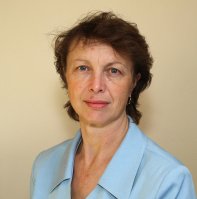 I’m
a pediatrician. I’ve got four children aged 14, 12, 9, and 6 years. From
1995 till 2000. I completed the homoeopathy training. I have the certificate
from the Austrian School of Homoeopathy. Then I attended the lectures of
so-called Indian revolutionary homoeopathy and I also completed the course
BIHOST (method of biochemical-homoeopathic regulation of metabolism).
I’m
a pediatrician. I’ve got four children aged 14, 12, 9, and 6 years. From
1995 till 2000. I completed the homoeopathy training. I have the certificate
from the Austrian School of Homoeopathy. Then I attended the lectures of
so-called Indian revolutionary homoeopathy and I also completed the course
BIHOST (method of biochemical-homoeopathic regulation of metabolism).
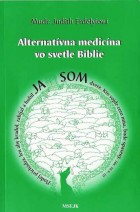 I
was seized with horror because I thought I also might have something in
common with it. At home, I knelt down before the cross and prayed: “Jesus,
take away this spirit of occultism and magic.” Moreover, I asked for
the gifts of the Holy Spirit. This prayer came from my torn heart. Only
long time later I understood how much it had changed the orientation of
my life. The thoughts which crossed my mind after this prayer were really
wonderful. Suddenly it started to sink in. Devices!
I
was seized with horror because I thought I also might have something in
common with it. At home, I knelt down before the cross and prayed: “Jesus,
take away this spirit of occultism and magic.” Moreover, I asked for
the gifts of the Holy Spirit. This prayer came from my torn heart. Only
long time later I understood how much it had changed the orientation of
my life. The thoughts which crossed my mind after this prayer were really
wonderful. Suddenly it started to sink in. Devices!
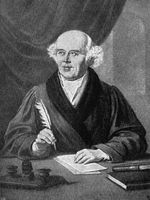
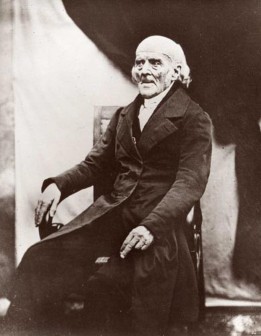
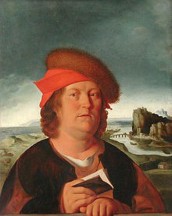
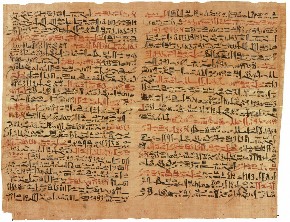 The
Edwin Egyptian papyrus, is probably the most ancient document of diagnosis
and treatment in medicine (below) together with other important evidence,
such as Eber’s Papyrus (1550 BC), Edwin Smith Papyrus (1550 BC), London
Medical Papyrus (1629 BC), Hearst Papyrus (1450 BC) and Berlin Papyrus
(1200 BC) and contain reference to similia principle, mainly by amulets.
Aside from other non-Mediterranean civilization in antiquities, such as
the Chinese one, Egyptians were the best and most ancient physicians in
human civilization, bringing their high medical expertise even to Greeks
and henceforth to Romans and next Europeans.
The
Edwin Egyptian papyrus, is probably the most ancient document of diagnosis
and treatment in medicine (below) together with other important evidence,
such as Eber’s Papyrus (1550 BC), Edwin Smith Papyrus (1550 BC), London
Medical Papyrus (1629 BC), Hearst Papyrus (1450 BC) and Berlin Papyrus
(1200 BC) and contain reference to similia principle, mainly by amulets.
Aside from other non-Mediterranean civilization in antiquities, such as
the Chinese one, Egyptians were the best and most ancient physicians in
human civilization, bringing their high medical expertise even to Greeks
and henceforth to Romans and next Europeans.
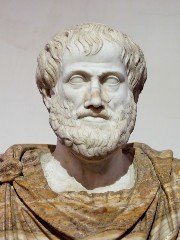
 The
family of a Calgary woman facing criminal charges in connection with the
death of her seven-year-old son say they’re in shock over the allegations
of neglect.
The
family of a Calgary woman facing criminal charges in connection with the
death of her seven-year-old son say they’re in shock over the allegations
of neglect.

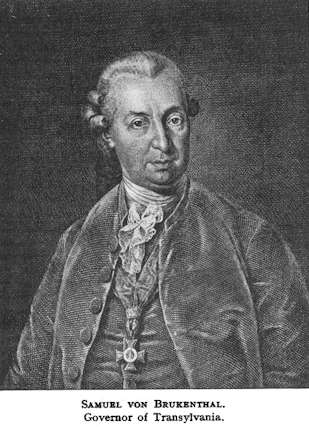
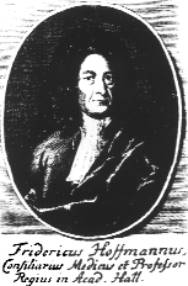
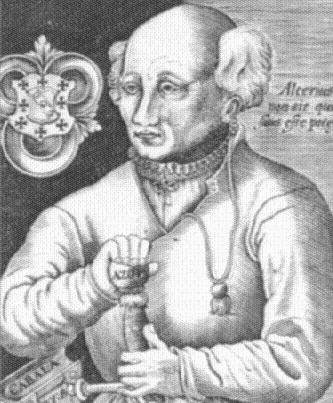
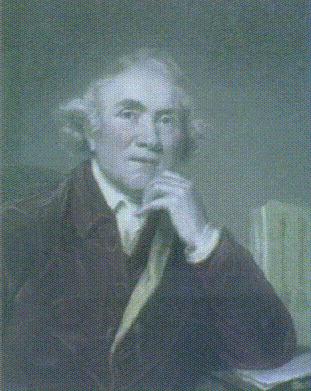
 At
its core, homeopathy is based on the idea that “like cures like,” and
remedies are made by watering down selected poisons that cause or mimic
the disease being treated. Practitioners must at least dilute those poisons
until they’re safe for consumption, but often dilute them to the point
that only plain water remains. Tossing aside the pesky rules of physics
and chemistry, believers argue that water molecules have “memory.”
Those liquefied ghosts of poisons can cure a wide range of ailments, from
allergic reactions to HIV/AIDS, they say.
At
its core, homeopathy is based on the idea that “like cures like,” and
remedies are made by watering down selected poisons that cause or mimic
the disease being treated. Practitioners must at least dilute those poisons
until they’re safe for consumption, but often dilute them to the point
that only plain water remains. Tossing aside the pesky rules of physics
and chemistry, believers argue that water molecules have “memory.”
Those liquefied ghosts of poisons can cure a wide range of ailments, from
allergic reactions to HIV/AIDS, they say.
 Since
the FDA’s new warning, CVS has pulled the products from its shelves.
Since
the FDA’s new warning, CVS has pulled the products from its shelves.